
Buy What You Love, Pay What You Should
Columns
-
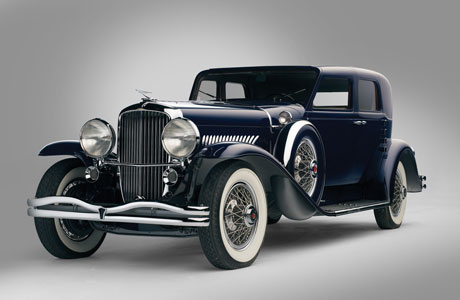
1930 Duesenberg J Murphy Sport Berline
More than half of all the Model Js produced were closed and were generally more expensive and popular than the sporty, open cars. Styling was mostly both very conservative and conventional. However, Murphy of Pasadena, California, was an exception among Duesenberg coachbuilders, for their unique sedans were sporting. George Whittell Jr. bought more new Duesenbergs…
-
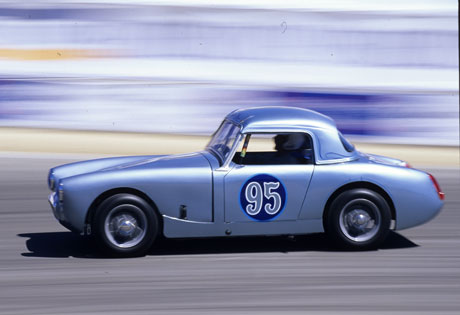
1961 Austin-Healey Sebring Sprite
In 1958, following the Austin-Healey 100, Donald Healey and BMC (British Motor Corporation) teamed up to introduce the little Sprite. Speed parts were soon available from tuning firms, most notably Speedwell Performance Conversions. The firm also collaborated with Frank Costin and the Williams and Pritchard coachworks to produce a number of lightweight body components, including…
-
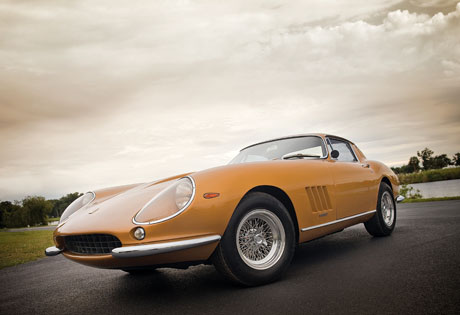
A Pair of 1967 Ferrari 275 GTB/4s
Although about 330 275 GTB/4 coupes were built in the 1966-67 period, only 16 of these were bodied in aluminum panels, according to Cavallino Magazine’s 1986 “The Four Cam” feature article by Dyke Ridgley. In reality this means that only 5% of the 330 GTB/4s produced were factory constructed in aluminum, making these an exceedingly…
-
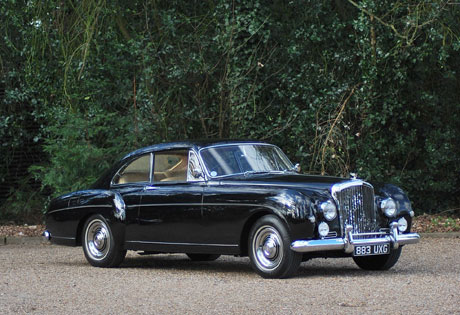
1956 Bentley S1 Continental Sports Saloon
Bentley’s magnificent Continental sports saloon has been synonymous with effortless high speed cruising at its grandest since its introduction on the R-type chassis in 1952. Unlike the ordinary, factory-bodied, “standard steel” R-type, the Continental was bodied in aluminum over a steel frame and first appeared with what many enthusiasts consider to be the model’s definitive…
-
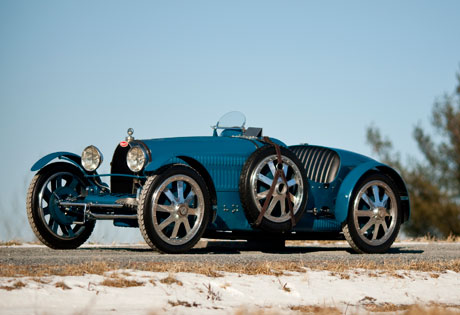
1928 Bugatti Type 35C Grand Prix
Almost 80 years after its introduction, the Bugatti Type 35 remains one of the most iconic and historically significant cars to have ever raced. Without doubt, the Type 35 was responsible for Bugatti’s rise to the heights of 1920s Grand Prix racing and quickly became the most dominant participant of its era. The Type 35…
-
Dual-Identity Cars
Continuous History Car vs. Original Component Car? You decide In a perfect world, every historic car would boast a spotless provenance and a documented list of distinguished owners, none of whom ever “abused” the car by changing a major component, let alone by crashing it. The real world is different. Witness competition cars, which in…
-
An Inexact Science
While selling exotic cars is an inexact science, it is a tenet within the trade that buyers want to pay something “back” of the dealer’s cost, while sellers want to “net” some number based on the highest result at the most successful, recent auction. Buying from a classic car dealer allows personal time for back-and-forth…
-
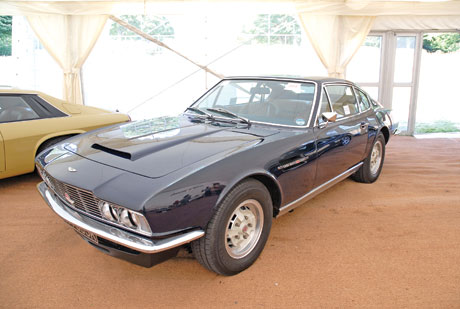
Aston Martin DBS, Unloved No More
Aston Martin was in trouble again. By the mid-1960s, it was clear that the DB6 was in dire need of modernization, based as it was on a design with its roots firmly in the now-archaic DB4, which was launched in 1958. William Towns, who would serve Aston well (if controversially at times) through the 1970s,…
-
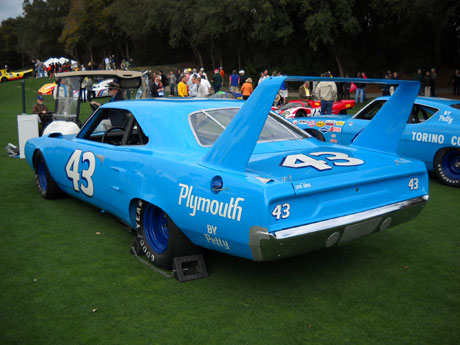
March Madness
I’ve just returned from a sensory overload collector car experience in the Sunshine State. Somewhere between RM’s BMW 600 “limousine,” Gooding’s Alfa 2000 spider, Sam and Emily Mann’s Mercedes 540K Special roadster, and the Collier ex-Martini Porsche 917, ten days of March have disappeared in a collector car blur. Between auctions, seminars, meetings, and television…
-
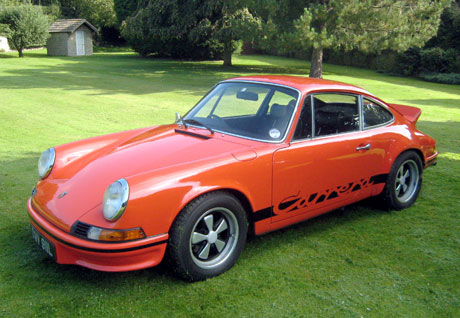
1973 Porsche 911 Carrera 2.7 RS Lightweight
The Carrera 2.7 RS has long been regarded as one of the great cars of all time and, by some, the greatest of all road-going Porsches. Their competition achievements speak for themselves, while their on-road performance remains special to this day. Even the extraordinary (for the period) 0-60 mph acceleration time of circa 5.5 seconds…