
Profiles
-

1970 Ferrari 365 GT 2+2
Making its debut at the 1967 Paris Auto Show, the 365 GT 2+2 emerged as the most luxurious and best-equipped Ferrari model in the hallowed company’s history. In addition to its sleek Pininfarina bodywork, the 365 GT 2+2 was the first Ferrari equipped with power steering and brakes as standard equipment — and Ferrari’s first…
-

1969 Aston Martin DB6 Mk I Vantage Sports Saloon
The culmination of Aston Martin’s long-running line of DB 6-cylinder sports saloons and thus considered by many to be the last real Aston, the DB6 had been introduced in 1965, updating the DB5. Although recognizably related to the Touring-styled DB4 of 1958, the DB6 abandoned the Carrozzeria Touring-developed Superleggera body structure of its predecessors in…
-

2009 Spyker C8 Laviolette
Only 495 actual miles. This car is one of four cars built in the Burnt Almond Orange color. The interior features black leather with orange quilted stitching, turned aluminum accents and dash. It has 19-inch Aeroblade wheels, books, keys, original window sticker with $235,000 MSRP. It has 400 horsepower and an exposed shifter with a…
-

VW’s First Sports Car is Still Winning Hearts
Almost every classic car enthusiast has owned an air-cooled Volkswagen somewhere along the line — generally very early along the line. But even though most of us soon moved on to more rarefied marques, the old rattletrap VWs with stinky exhaust heat, iffy brakes and glacial acceleration still hold a special place in our hearts…
-
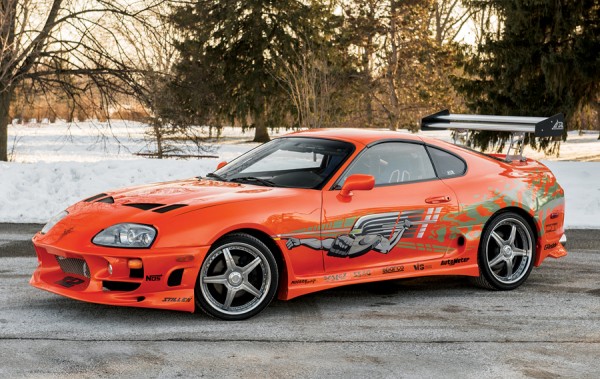
1993 Toyota Supra “The Fast and the Furious” Stunt Car
The Fast and the Furious” movie franchise took movie car chase scenes to new levels of intensity, with an array of automotive stunts that helped make it an over-the-top success. One of the star cars of “The Fast and the Furious” is the Toyota Supra driven by the late actor Paul Walker, who portrayed undercover…
-
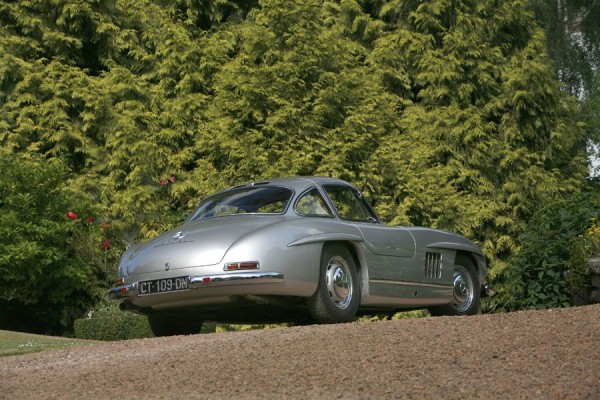
1955 Mercedes-Benz 300SL Gullwing
Launched in 1954, the production 300SL retained the space frame chassis and lightweight aluminum-alloy bodywork of the W194 racer, while its mechanical underpinnings, like the latter’s, owed much to the contemporary Mercedes-Benz 300 luxury saloon. A 2,996-cc overhead-camshaft inline six, the 300SL’s engine was canted at 45 degrees to achieve a low bonnet line and…
-
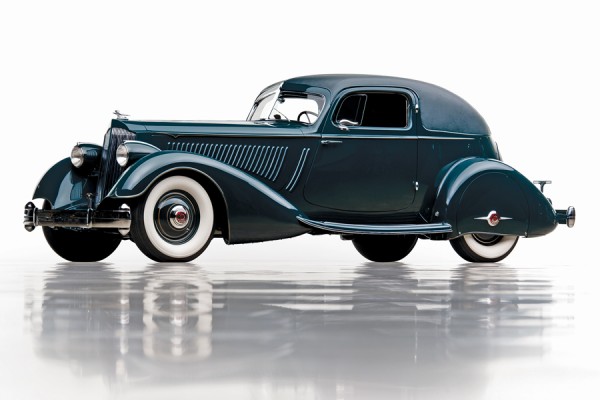
1935 Packard Twelve Sport Coupe
Packard’s most beautiful automobiles of the 1930s were arguably produced as part of the Eleventh Series, and they boasted the first gentle hints of streamlining, such as a slightly angled radiator shell, more deeply skirted fenders, and vee’d headlamp lenses. The 12-cylinder models of this series were the ultimate Packards, and the ultimate of the…
-
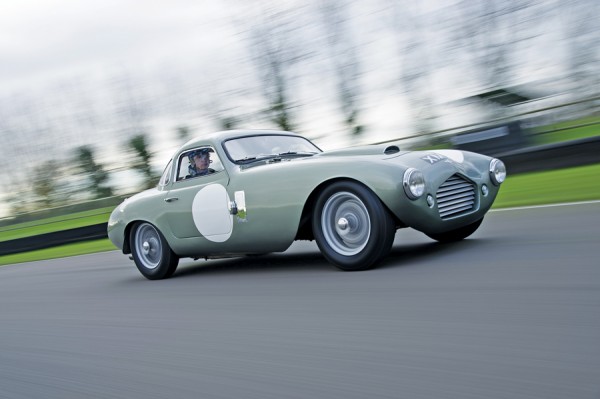
1955 Frazer Nash Le Mans Coupe
Introduced in 1953, complementing the company’s successful open sports cars, the Le Mans coupe was the first closed Frazer Nash to enter production. It used the new parallel-tube-chassis frame, around which was wrapped a beautiful, full-width alloy body that, with its curvaceous lines and horizontal front grille, hinted at the forthcoming Sebring roadster. The chassis…
-
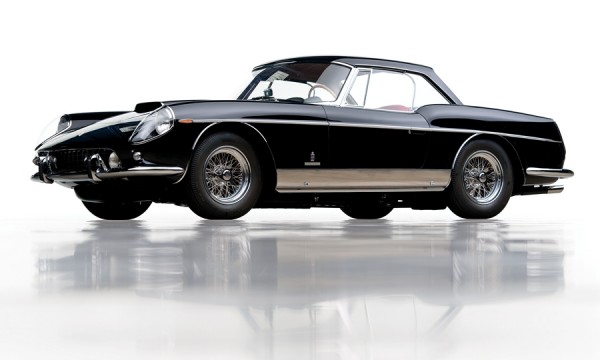
1962 Ferrari 400 Superamerica SWB Cabriolet by Pininfarina
Chassis 3309SA’s tale started in 1962. This Ferrari 400 Superamerica cabriolet would be the last short-wheelbase model built. It was finished in Red Metallic and fitted with covered headlights and a factory hard top. This was perhaps the ultimate example of its breed. Its first destination would be the Geneva Motor Show, where it was…
-

1959 Jaguar XK 150S 3.4 Roadster
The final glorious incarnation of Jaguar’s fabulous XK series of sports cars arrived in 1957. The XK 150 was a progressive development of the XK 120 and XK 140, retaining the same basic chassis, 3.4-liter engine and 4-speed Moss transmission of its predecessors while benefiting from a new, wider body that provided increased interior space…