
Buy What You Love, Pay What You Should
Columns
-
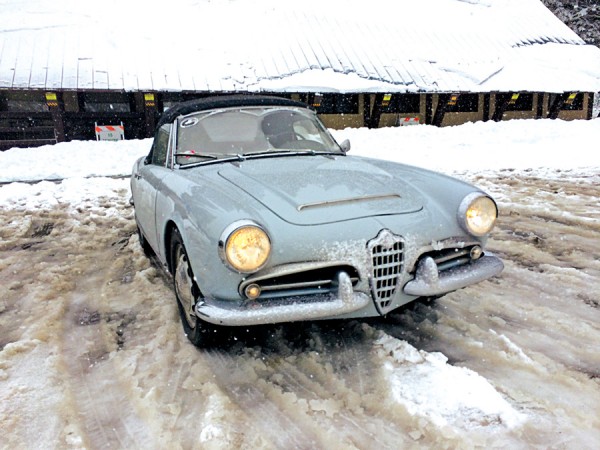
Something Lost, Something Gained
My 1965 Alfa Romeo Giulia Spider Veloce, s/n 390290, left the factory in Arese, Italy, on January 28, 1965. It was one of 1,096 Giulia Veloces built. It was painted the unusual and highly attractive color of Grigio Mare, with a lipstick red/orange interior. It was just a nice used car when I bought it…
-
1959 Mercedes-Benz 220SE Sedan
Under the bonnet of this German-engineered car is an inline 6-cylinder engine that is extremely detailed. Connected to the engine is a smooth- shifting 4-speed manual transmission. The burgundy exterior shows really well, along with the brightwork, whitewall tires, color-keyed wheel covers and the factory road lights. The interior is tailored with tan leather upholstery,…
-
1966 Shelby GT350 “Change-Over”
To ensure that Shelby American would have its 1966 GT350 models in dealerships when Ford released the new ’66 Mustangs, Shelby ordered an additional 252 cars from Ford’s San Jose plant at the very end of 1965 production. These change-over cars (often referred to as carry-overs) were essentially Shelby-spec ’65 GT350s. They received the same…
-
1963 Lotus Super Seven Series 2 1500 Cosworth
The Lotus Seven is a small, simple, lightweight two-seater open-top sports car produced by Lotus Cars (initially called Lotus Engineering) between 1957 and 1972. It was designed by Lotus founder Colin Chapman, and has been considered the embodiment of the Lotus philosophy of performance through low weight and simplicity. The original model was highly successful,…
-

1962 Ferrari 250 GTE Series II 2+2 Coupe
Although several special-order 2+2s had been produced in the 1950s, the 250 GTE was Ferrari’s first true production 2+2, and it enabled them to widen their potential market and compete directly with Aston Martin, Maserati and Facel Vega. The new 2+2 would bring for the first time wide-scale production, with 953 examples in total, across…
-
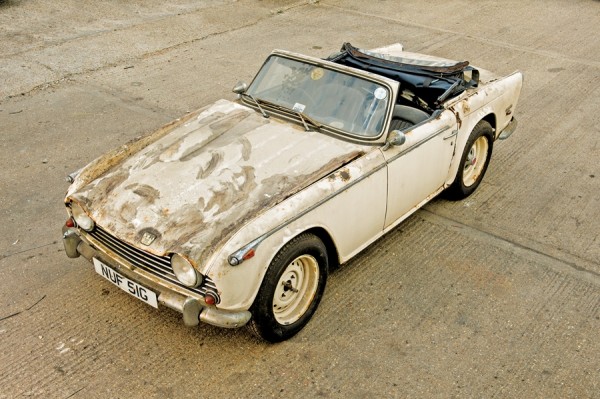
1968 Triumph TR5 Roadster
Similar to the preceding TR4A — the first TR with independent rear suspension — but with Triumph’s 2.5-liter, 6-cylinder engine installed in place of the old 2.1-liter four, the TR5 was produced during the 1968 model year only (October 1967 to November 1968) pending the arrival of the restyled TR6. The bulk of production was…
-
1972 Maserati Boomerang Coupe
First seen as a concept car at the Turin Motor Show in 1971, the Maserati Boomerang was a typically adventurous work by Giorgetto Giugiaro. The Boomerang borrowed its mechanical underpinnings and 4.7-liter V8 engine from the recently introduced Maserati Bora coupé, the Italian firm’s first mid-engined production car. With 310 hp on tap, the Boomerang…
-
From Wide-Eyed to Bugeye
Being a part of the collector car world offers a multitude of experiences, from the grand to the familiar. During the past month, I’ve had the opportunity to be a part of the absolute high end of the collector car world, which included watching the car-as-art Maserati Boomerang sell as a part of the Chantilly…
-
Your Year-End Car Collection Checklist
It’s the end of a great year for the collector car market. As it winds down, readers should take the opportunity to focus on a number of planning details. Tax rates likely to stay the same Year-end tax planning doesn’t look terribly complicated this year. Election season is in full swing — even though the…
-
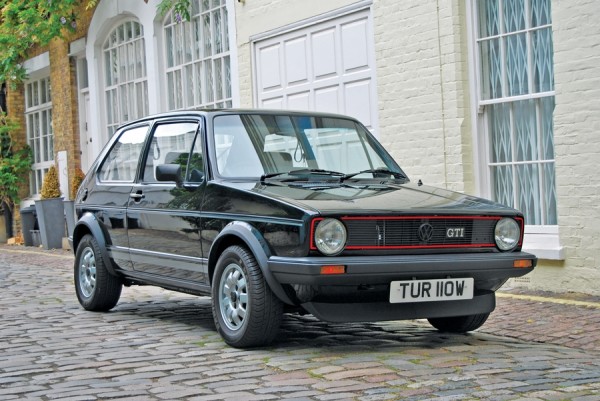
Volkswagen’s Hot Hatch Turns Collectible
By 1970, Volkswagen’s “People’s Car,” the venerable Type 1 Beetle, was long in the tooth. The company knew it was time for a successor — something cleaner than the stinky old air-cooled model, with a modern body design. The company got to work on a new project called the Type 17. The new car used…