
Profiles
-

VW’s First Sports Car is Still Winning Hearts
Almost every classic car enthusiast has owned an air-cooled Volkswagen somewhere along the line — generally very early along the line. But even though most of us soon moved on to more rarefied marques, the old rattletrap VWs with stinky exhaust heat, iffy brakes and glacial acceleration still hold a special place in our hearts…
-

1981 Renault 5 Turbo
The Renault 5 Turbo is a hatchback with a high-performance engine. This French car debuted at the Brussels Motor Show in January of 1980. At this time, rally cars were climbing in popularity. The design of this car was tailored towards the rally car market, but a street version also was sold. During its four-year…
-
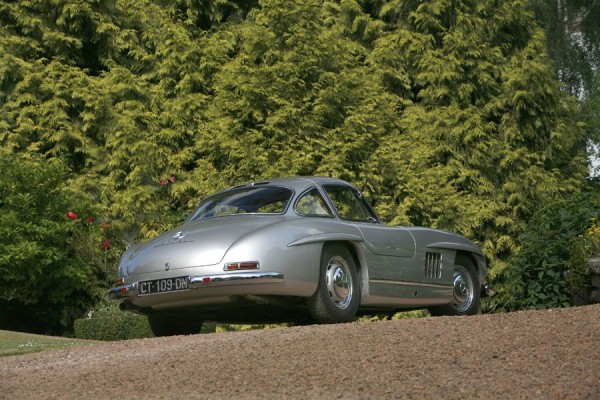
1955 Mercedes-Benz 300SL Gullwing
Launched in 1954, the production 300SL retained the space frame chassis and lightweight aluminum-alloy bodywork of the W194 racer, while its mechanical underpinnings, like the latter’s, owed much to the contemporary Mercedes-Benz 300 luxury saloon. A 2,996-cc overhead-camshaft inline six, the 300SL’s engine was canted at 45 degrees to achieve a low bonnet line and…
-
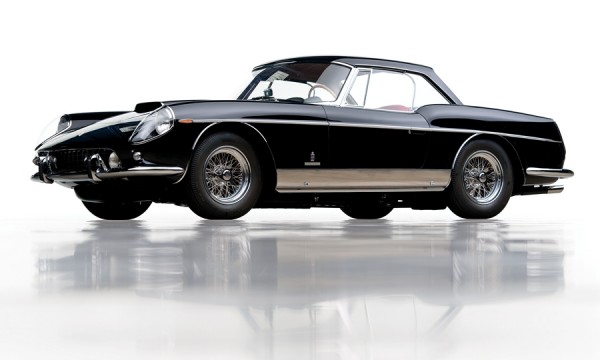
1962 Ferrari 400 Superamerica SWB Cabriolet by Pininfarina
Chassis 3309SA’s tale started in 1962. This Ferrari 400 Superamerica cabriolet would be the last short-wheelbase model built. It was finished in Red Metallic and fitted with covered headlights and a factory hard top. This was perhaps the ultimate example of its breed. Its first destination would be the Geneva Motor Show, where it was…
-

1977 Maserati Khamsin
With production of the Maserati Ghibli ending in 1972, Maserati started to develop a new front-engine vehicle. The replacement Khamsin was styled by Marcello Gandini, and it debuted in 1972 at the Turin Auto Show, but it was not sold until 1974. The Khamsin would be Maserati’s first front-engine car with full independent rear suspension.…
-

1959 Jaguar XK 150S 3.4 Roadster
The final glorious incarnation of Jaguar’s fabulous XK series of sports cars arrived in 1957. The XK 150 was a progressive development of the XK 120 and XK 140, retaining the same basic chassis, 3.4-liter engine and 4-speed Moss transmission of its predecessors while benefiting from a new, wider body that provided increased interior space…
-
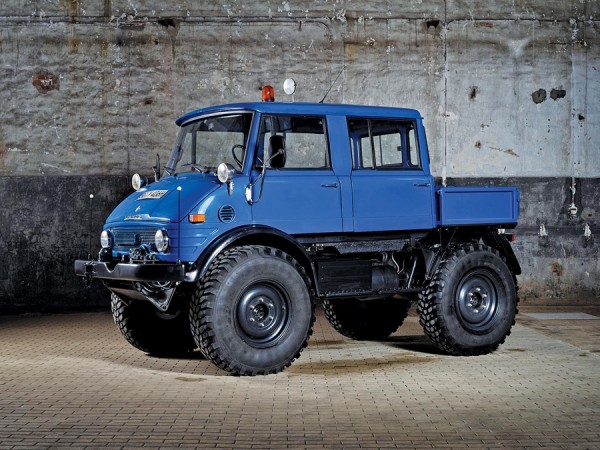
A Mercedes for the Farm, Woods or Battlefield
In the United States, Mercedes-Benz Unimogs are rare enough to qualify as mild curiosities, but these tough, fear-no-road trucks are also inching up on the cool meter, especially with military-vehicle buffs. You’ll see them scattered around the countryside — often in the mountain areas of the western United States — but few know their long,…
-
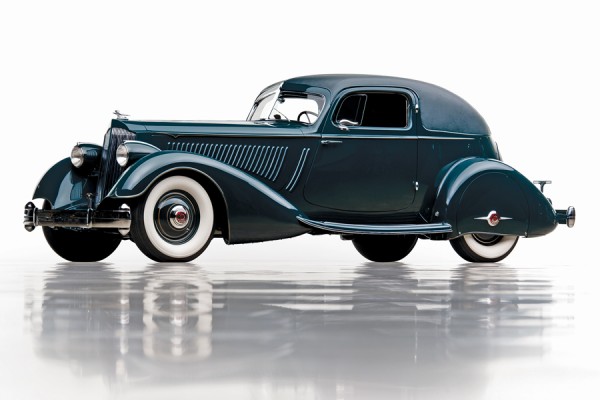
1935 Packard Twelve Sport Coupe
Packard’s most beautiful automobiles of the 1930s were arguably produced as part of the Eleventh Series, and they boasted the first gentle hints of streamlining, such as a slightly angled radiator shell, more deeply skirted fenders, and vee’d headlamp lenses. The 12-cylinder models of this series were the ultimate Packards, and the ultimate of the…
-
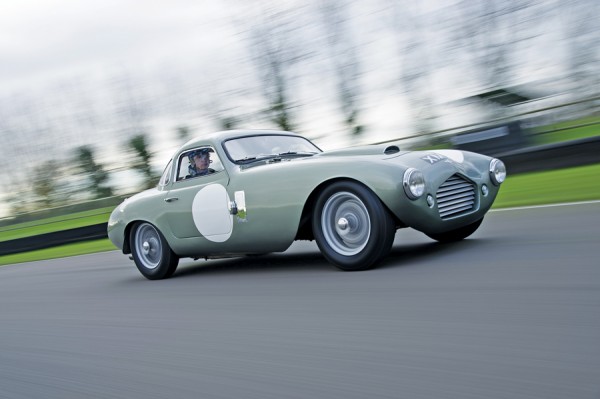
1955 Frazer Nash Le Mans Coupe
Introduced in 1953, complementing the company’s successful open sports cars, the Le Mans coupe was the first closed Frazer Nash to enter production. It used the new parallel-tube-chassis frame, around which was wrapped a beautiful, full-width alloy body that, with its curvaceous lines and horizontal front grille, hinted at the forthcoming Sebring roadster. The chassis…
-

1982 Chevrolet Corvette Collector Edition
One of 6,759 produced 14,515 miles believed to be original Bloomington Gold Certified in 2005 Original window sticker Matching-numbers 350-ci, 200-hp engine Automatic transmission Factory air conditioning Tilt/telescopic steering column Power steering Power brakes Power seat Power dock locks Power outside mirrors and antenna Cruise control Bronze-tinted glass T-tops Bose radio Aluminum wheels BF Goodrich…