
Profiles
-
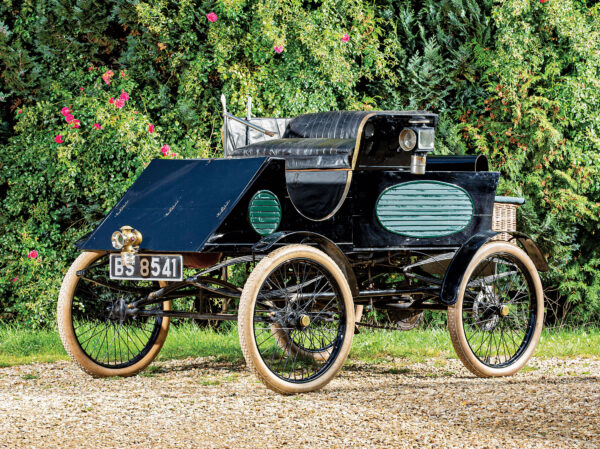
1901 Milwaukee Racer 6HP Steam Car
Founded in 1899 by WH Starkweather, Herman Pfiel and W.G. Smith to build steam-powered cars, the Milwaukee Automobile Company produced its first car in 1900. Having overestimated the demand for its products, the company was soon declared bankrupt, and it closed in 1902. This “Milwaukee Racer” was built by the company in 1901 for Dr.…
-
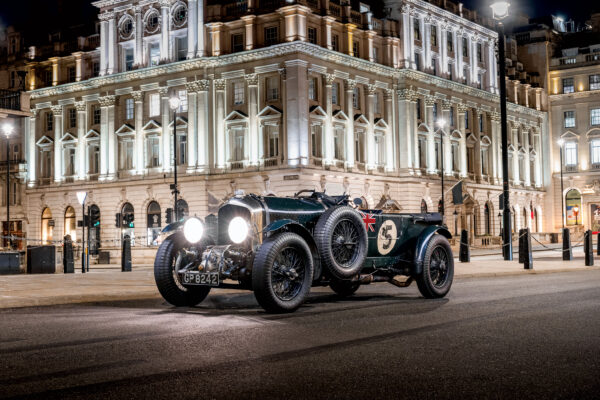
1929 Bentley 4½ Litre Supercharged Le Mans Tourer
There are few sounds in motorsport quite as evocative as a Blower Bentley at full chat — a gruff explosion of noise and power only matched by the guttural howl of a Vulcan bomber. Unapologetically loud, dirty, and fearsomely quick, the model earned a legion of fans throughout the 1920s and 1930s despite never winning…
-
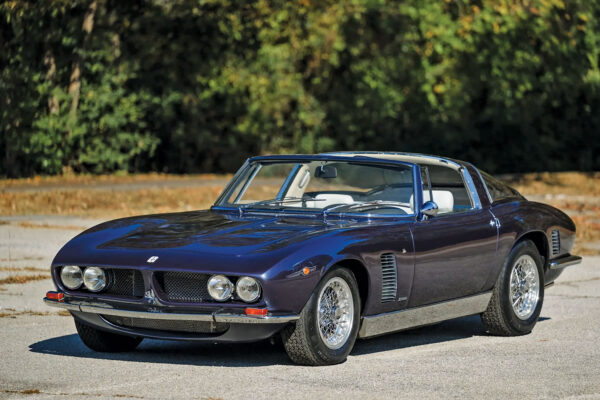
1970 Iso Grifo Series I Targa
This 1970 Iso Grifo is one of approximately 14 targa examples built during four years of Series I production. It was completed on May 21, 1970, before being delivered new in Germany. Chassis 314 was purchased in 1978 by its previous owner, who commissioned a repaint in the current shade of dark blue metallic and…
-

1962 Ferrari 330 LM / 250 GTO
Engineer Giotto Bizzarrini was tasked with further refining the 250 GT berlinetta for the 1962 racing season. Bizzarrini’s result was the 250 GTO. Introduced at a press conference in February 1962, the 250 GTO was absolutely stunning. Power was provided by the latest development of the 3-liter Colombo short-block V12. The new type 539/62 chassis…
-
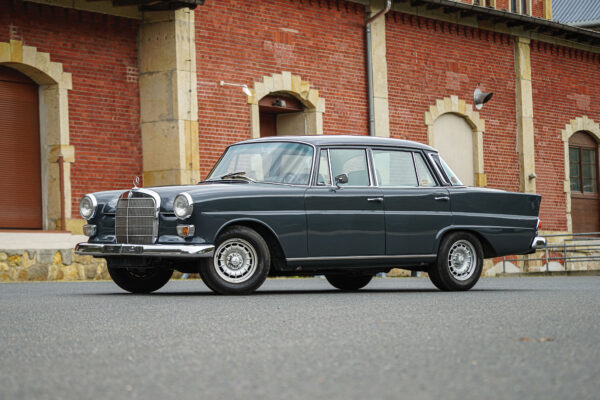
1967 Mercedes-Benz 230 AMG
In 1967, AMG was formed by Hans Werner Aufrecht and Erhard Melcher, two former Daimler-Benz engineers with a passion for engine tuning and motorsport. The pair turned their hand to custom race configurations with a penchant for Mercedes-Benz, notably bulking out and entering the now-famous 300SEL-based “Red Pig” in the 1971 24 Hours of Spa.…
-
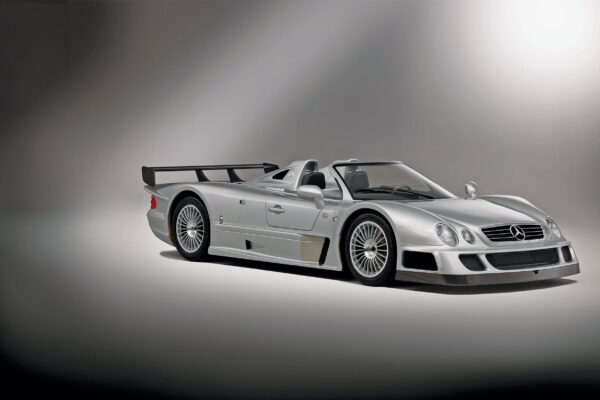
2002 Mercedes-Benz CLK GTR Roadster
Mercedes-Benz has left a more significant imprint on motorsports history than any other manufacturer, bar none. So it came as little surprise that after decades of relative abstention from factory-based competition, it became a commanding winner in the German DTM series (Deutsche Tourenwagen Meisterschaft) in the 1990s with its potent C-Class race cars, the 190E…
-
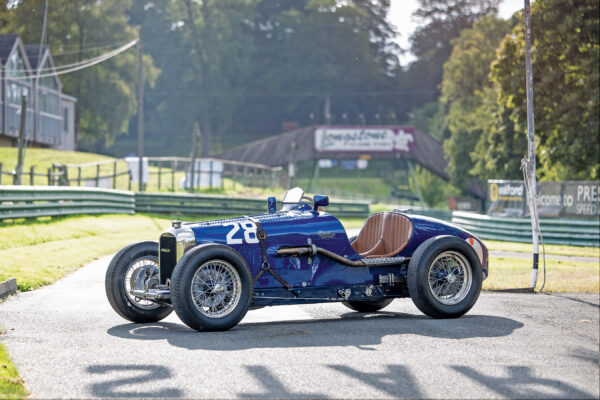
1927 Amilcar C6
After being discovered behind the Iron Curtain, this Amilcar — along with a second chassis — is understood to have been exported from East Berlin via Switzerland prior to being sold to Morris Frost of Florida, where a restoration was carried out prior to the car being used on the road. A cracked engine block…
-
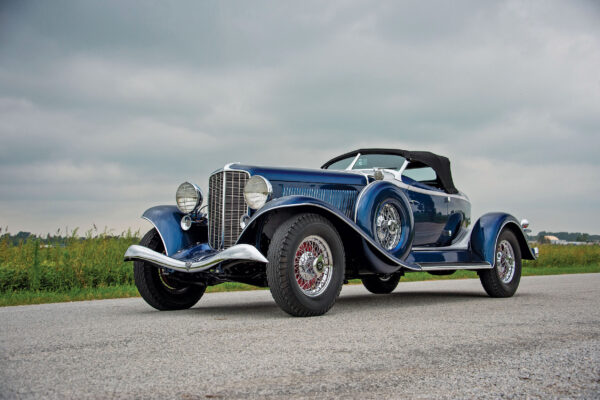
1933 Auburn 12-160A Salon Speedster
In the tradition of great artists who became truly famous only after their death, Alan Leamy of the Auburn Automobile Company left behind 33 brief years of startling innovation in body contours — a portfolio that was appreciated in its time, but which only became legendary decades after his passing in 1935. Leamy’s finest design…
-
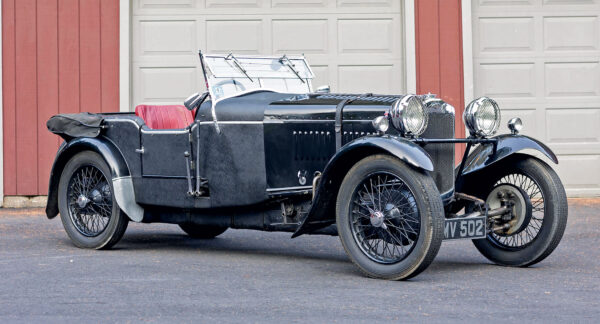
1931 Frazer Nash Interceptor
Frazer Nash was founded in 1922 by Captain Archibald Frazer-Nash, who in partnership with H R Godfrey had been producing the GN cyclecar. Designed by Godfrey and Frazer-Nash, the GN was Britain’s first and best-known cyclecar. The two young engineers set up shop initially in Hendon, North London, whence the first GN emerged in December…
-

1972 Lamborghini Jarama S
Ferruccio Lamborghini’s first production car, the Touring-styled 350GT, was launched at the 1964 Geneva Motor Show, featuring a glorious 4-cam 3.5-liter V12 engine by Giotto Bizzarrini, which was housed in a chassis that was the work of Gian Paolo Dallara. The line of front-engine grand tourers continued with the 4-liter 400GT and Islero 2+2s, the…