
Buy What You Love, Pay What You Should
Paul Hardiman
-
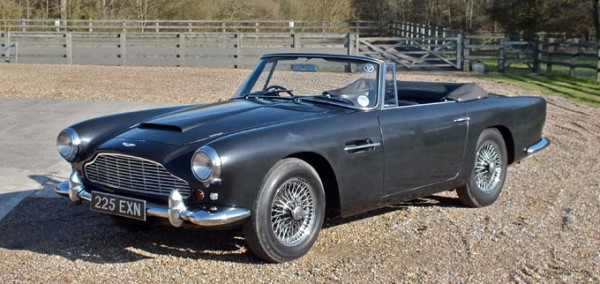
1962 Aston Martin DB4 Vantage Convertible
Classically proportioned and instantly recognizable from the moment of its introduction in 1958, the Touring-styled Aston Martin DB4 established a look that would survive, with only minor revisions, until 1970. Designed by Tadek Marek and already proven in racing, the DB4’s new twin-cam, 6-cylinder engine displaced 3,670 cc, and the gearbox was a new David…
-
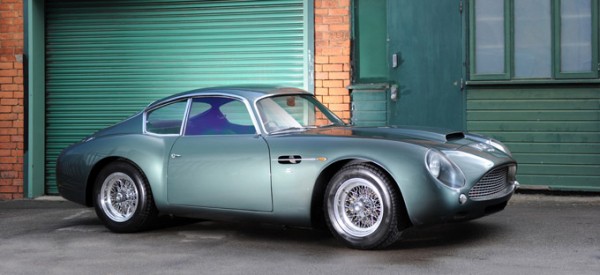
1991 Aston Martin DB4GT Zagato Sanction II
Of the many models in Aston Martin’s 90-year history, and of the DB series of 6-cylinder cars in particular, the DB4GT Zagato is arguably the best loved and most respected. The original collaboration between Aston Martin and Zagato of Milan resulted in a production run of only 19 constructed between 1961 and 1963, although the…
-
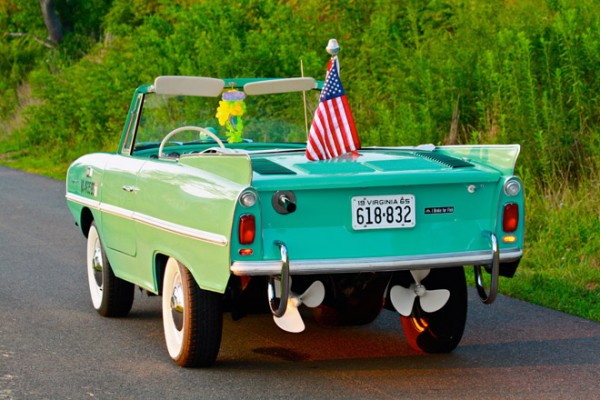
1965 Amphicar 770 Convertible
It’s a car. It’s a boat. Actually, it’s both. Developed in West Germany, the Amphicar was aimed squarely at America’s leisure market and debuted at the 1961 New York Auto Show. As the culmination of a 15-year, $25 million development program, the Amphicar was the creation of amphibious-vehicle pioneer Hans Trippel. A mid-rear-mounted Triumph Herald…
-
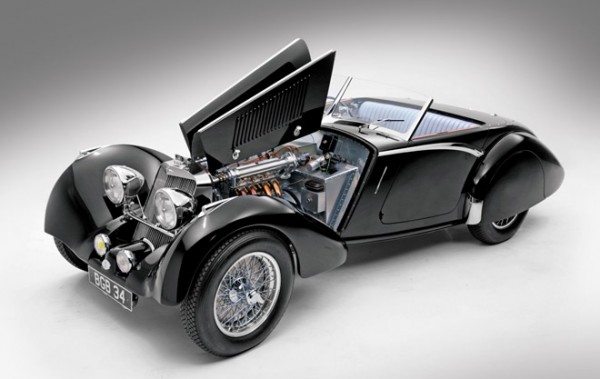
1937 Squire 1½-Liter Drophead Coupe
Adrian Squire was just 21 when he set out to build his own motor car. Dreaming of such a venture since he was a schoolboy, at 16 he sketched out a whole catalog for the “world’s greatest sports car.” He envisioned advanced engineering and light, flowing coachwork sitting on a chassis with a low center…
-
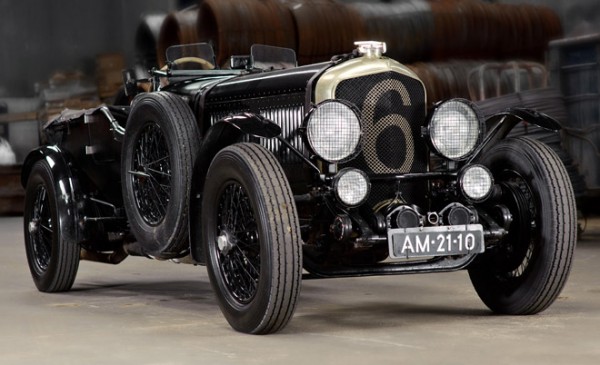
1929 Bentley 6½/8 Litre Tourer
This 6½ Litre Le Mans-style tourer offered here was constructed from parts by well-known Bentley collector/racer and VSCC competitor David Llewellyn. The car was upgraded with the engine block from an 8 Litre model. The car started life fitted with Weymann-type saloon coachwork by H J Mulliner and was first owned by RHR Palmer, of…
-
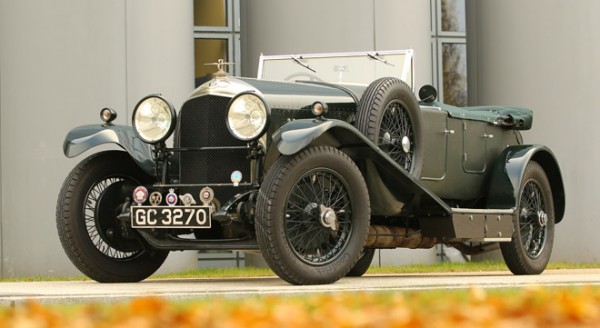
1929 Bentley 4½ Litre Dual-Cowl Sports Tourer
By 1926, Bentley saw a need for a new 4-cylinder model. Although a Le Mans winner, the 3 Litre was wanting in international competition, and the standard road cars suffered from increasingly heavy bodies. With the 6½ Litre in production, Bentley sought to combine the light chassis of the 3 Litre with the added power…
-
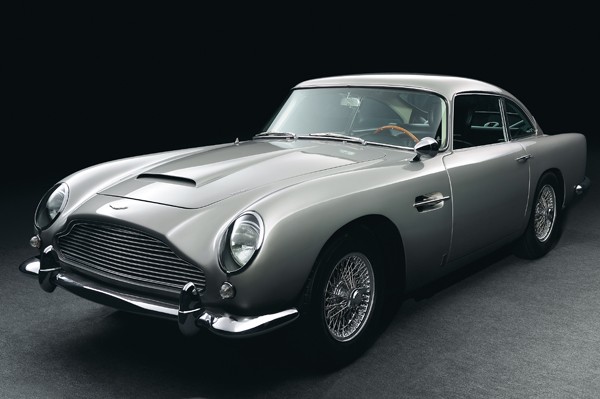
1965 Aston Martin DB5 Coupe
The buyer paid a premium for originality and left-hand drive, and the American collector no doubt carefully picked his moment Chassis number: DB51847L Engine number: 4001847 Aston Martin developed and released the all-new DB4 in 1958 alongside the final DB2-derived DB Mark III. The following year, the company received a Royal Warrant of Appointment from…
-
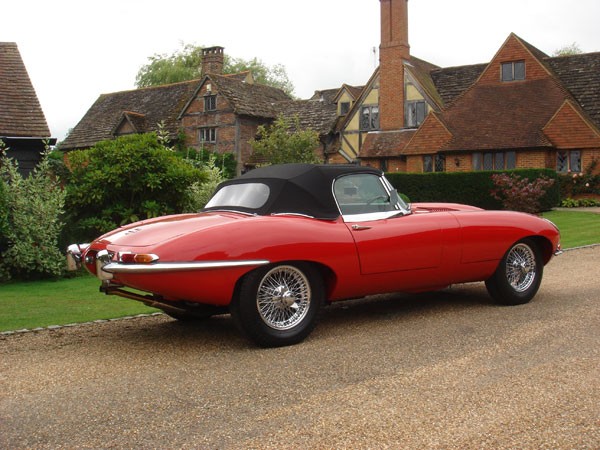
1968 Jaguar E-type Series 1.5 Roadster
The purest early 3.8s fetch the most money, but this car offered the best of both worlds Chassis number: 1E2100 Engine number: 7E175478 The first significant upgrade of Jaguar’s sensational E-type sports car occurred in October 1964, with the launch of the 4.2-liter version. Along with the bigger, torquier engine came a more user-friendly…
-
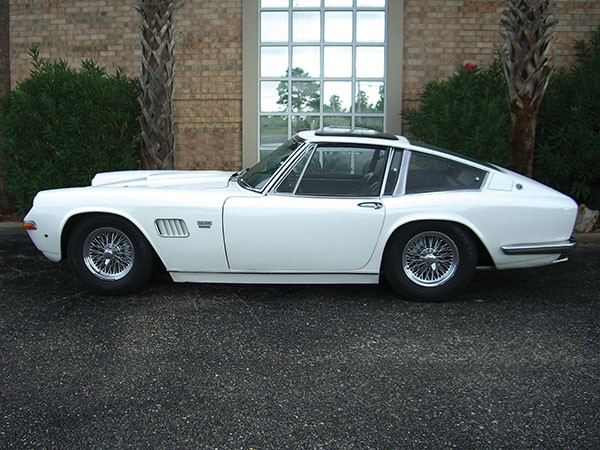
1971 AC 428 Fastback Coupe
These cars are rare, as they were slow and costly to build — and they were more expensive than an Aston Martin DB6 Chassis number: CF62 Born on the back of the Cobra two-seat roadsters, AC decided to move up-market and build a larger and altogether more civilized car. They had a fantastic and proven…
-
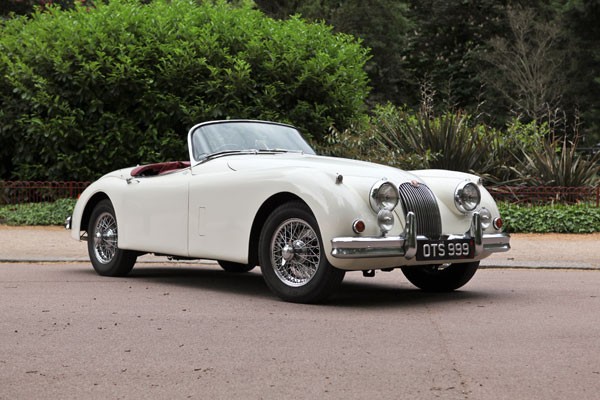
1959 Jaguar XK 150 S 3.8 Roadster
This car was the 63rd XK 150 Roadster built and sold new with optional chrome wire wheels. Special equipment extras included fog lamps, a dual exhaust system and square-pad disc brakes. The engine was fitted with a straight-port “Gold Top” cylinder head, lead and bronze bearings and a lightened flywheel. Originally supplied by Henley’s Ltd…