
Buy What You Love, Pay What You Should
Steve Ahlgrim
-
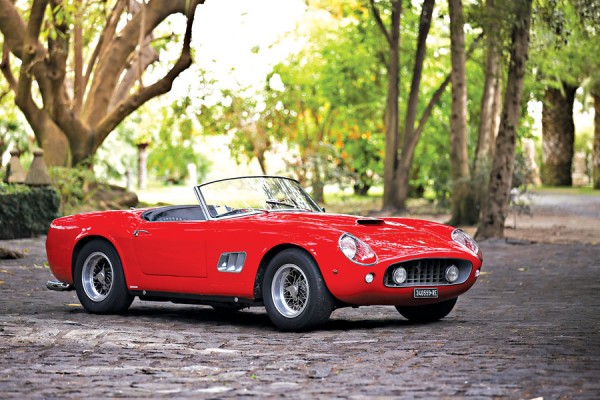
1961 Ferrari 250 GT SWB California Spyder
In late 1957, just as production of Pininfarina’s Series I cabriolet was getting under way, Ferrari was in the process of developing a new open 250 GT variant for the booming North American market. Ferrari’s leading United States dealers, Luigi Chinetti and John von Neumann, impressed upon the factory the need for a simple, dual-purpose…
-

1957 Ferrari 335 Sport Scaglietti
With its outstanding engineering, perfectly sketched lines, charismatic proportions, breathtaking race results and great drivers, the 335 S perfectly symbolizes Ferrari in the 1950s. The heart of sporting Italians beat to the rhythm of the Mille Miglia, which was to them “the greatest race in the world.” In 1956, Ferrari entered a new V12 sports…
-

1950 Ferrari 166 MM/195 S Berlinetta Le Mans
It was the Tipo 166, introduced in 1948 as a replacement for the 125 S, that first established Enzo Ferrari’s Modenese workshop as a leading manufacturer of racing cars. Powered by a 2-liter Gioacchino Colombo-designed V12 engine, the 166 set forward a course of development that would define the look, sound and inimitable character of…
-

1956 Ferrari 290 MM by Scaglietti
Ferrari’s sports-prototype racing cars are among the most legendary in motorsport history, as they epitomize the desire, passion and mechanical brilliance that the Maranello team could bring to bear on the track. Most significantly, each and every design had Enzo’s personal handprint upon them. For the past 12 years, chassis number 0626 has been regularly…
-
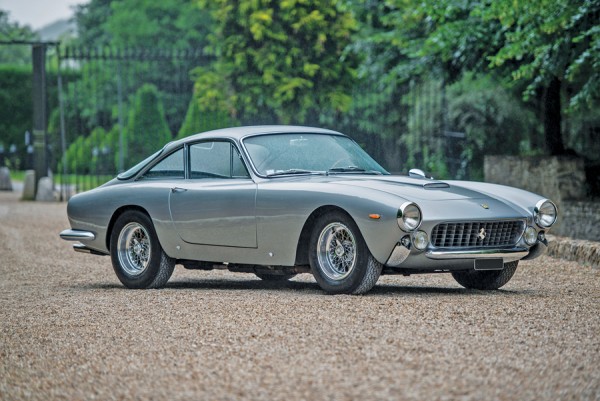
1964 Ferrari 250 GT/L Berlinetta Lusso
Ferrari’s breathtaking 250 GT/L was designed as a new offering to fill the market between the sporting 250 GT SWB and its more luxurious sibling, the 250 GTE 2+2, by combining the best features of both. The Lusso was first seen by the public at the Paris Motor Show in October 1962, and many enthusiasts…
-
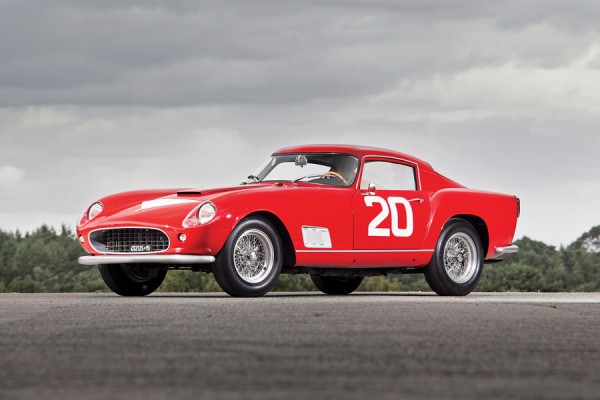
1958 Ferrari 250 GT Berlinetta Competizione TdF
The Ferrari 250 GT LWB Berlinetta is one of the most influential and impressive automobiles ever produced. It is the most successful competition 250 GT Ferrari model, having garnered more victories than any other model, including the revered 250 GTO. With the 3.0-liter Colombo V12 engine fitted to Ferrari’s 2,600-millimeter wheelbase chassis, this car was…
-

1962 Ferrari 250 GTE Series II 2+2 Coupe
Although several special-order 2+2s had been produced in the 1950s, the 250 GTE was Ferrari’s first true production 2+2, and it enabled them to widen their potential market and compete directly with Aston Martin, Maserati and Facel Vega. The new 2+2 would bring for the first time wide-scale production, with 953 examples in total, across…
-
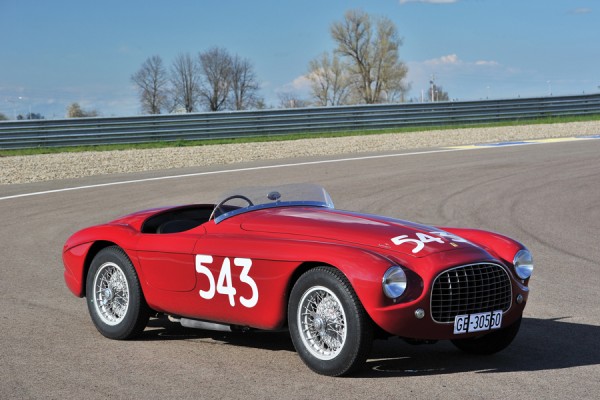
1952 Ferrari 212 Export Barchetta
Ferraris have always been campaigned frequently and with ferocity by both the factory and wealthy privateers. The company’s reputation during its early days hinged on the success of its race cars. Whilst numerous road-going “Inter” models would be built afterwards by Ferrari, this 212 Barchetta would be the final Touring-bodied, race-ready “Export” model built by…
-
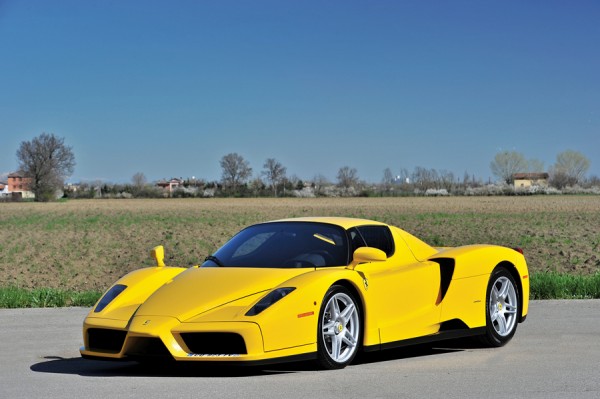
2002 Ferrari Enzo
Luca di Montezemolo dedicated the Ferrari Enzo to the founder of the company, “who always thought racing should lay the foundations for our road car designs,” at the Paris Auto Show in September 2002. He described the car as “the best of which our technology is capable.” The Enzo Ferrari would be the successor to…
-

1970 Ferrari 365 GT 2+2
Making its debut at the 1967 Paris Auto Show, the 365 GT 2+2 emerged as the most luxurious and best-equipped Ferrari model in the hallowed company’s history. In addition to its sleek Pininfarina bodywork, the 365 GT 2+2 was the first Ferrari equipped with power steering and brakes as standard equipment — and Ferrari’s first…