
Buy What You Love, Pay What You Should
Steve Ahlgrim
-

1949 Ferrari 166 MM Barchetta
The car had been undergoing Classiche certification, but the process was not complete at the time of the auction The Ferrari 166 MM is the definitive 1950s sports car configuration, with its smooth envelope body, long flowing hood and short tail. Named for the Mille Miglia race, it was created by Carrozzeria Touring in Milan,…
-
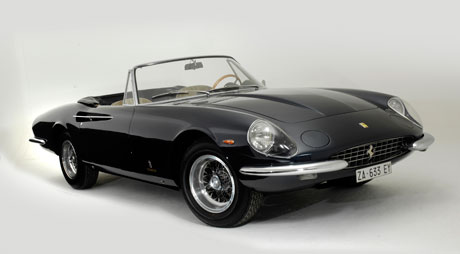
1966 Ferrari 365 California
Ferrari’s 365 California was, in so many ways, the culmination of Ferrari’s collaboration between sports car racing and customer road cars. Only 14 examples of the 365 California were built. They are almost invisible among the (relatively) boxcar loads of 275 GTBs and 365 GTB/4 Daytonas that Ferrari, along with Pininfarina and Scaglietti, turned out…
-
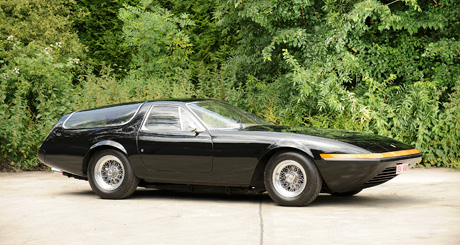
1972 Ferrari 365 GTB/4 Daytona Shooting Brake
While the car’s presence is an asset to any event, it is not a factory-authorized build, which makes it ineligible for judging at many shows Introduced in 1968 with production beginning in 1969, the 365 GTB/4 Daytona was Ferrari’s response to an evolving market and changing regulations in the United States. Compared to Ferrari’s earlier…
-
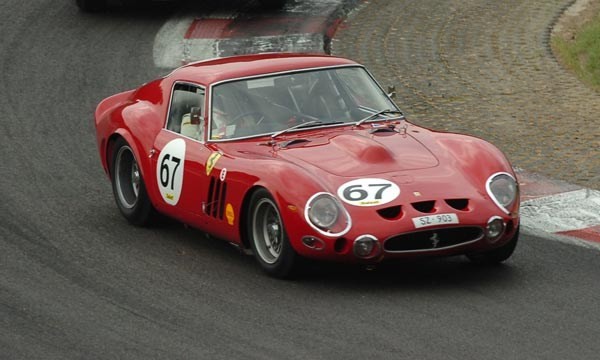
1951 Ferrari 340 America Spyder
SCM’s Thor Thorson once reported that one 340 owner refused to take his car on a vintage rally, as driving it was just too awful Some of the most fascinating Ferrari automobiles originate from the earliest years of the company, a time when Enzo Ferrari was still in the process of developing a recognizable identity…
-
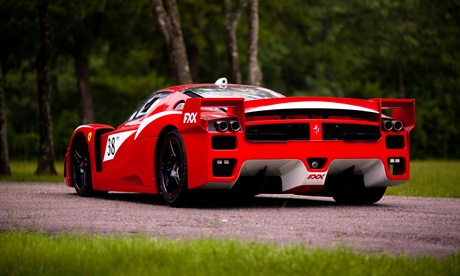
2007 Ferrari FXX Evoluzione
The FXX is on the edge of being too complicated to run without professional support, so what’s in the future? The Enzo project charged Ferrari’s engineers to create a driving experience and interface inextricably connected to the Formula One cars. They accomplished the task by fitting the Enzo with a 660-hp, 6,262-cc, V12 engine with…
-
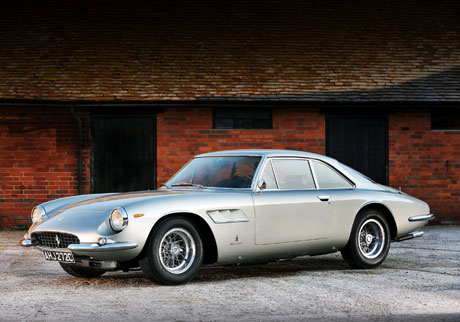
1965 Ferrari 500 Superfast Coupe
At the 1964 Geneva Auto Salon, Ferrari debuted the latest evolution of its traditional, top-of-the-range grand touring car-the 500 Superfast. The Superfast was designed to criss-cross continents with great speed, comfort, and style-a deluxe GT with the soul and character of the firm’s racing cars. The Pininfarina design was an enhancement of the earlier 400…
-
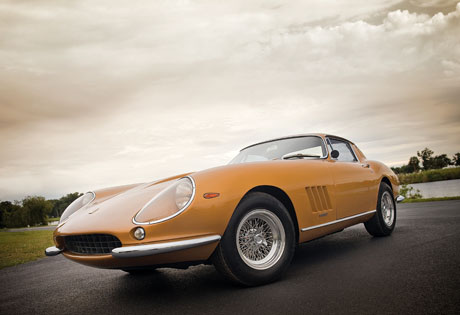
A Pair of 1967 Ferrari 275 GTB/4s
Although about 330 275 GTB/4 coupes were built in the 1966-67 period, only 16 of these were bodied in aluminum panels, according to Cavallino Magazine’s 1986 “The Four Cam” feature article by Dyke Ridgley. In reality this means that only 5% of the 330 GTB/4s produced were factory constructed in aluminum, making these an exceedingly…
-
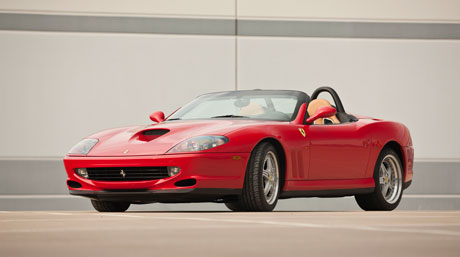
2001 Ferrari 550 Barchetta
Displayed for the first time at the 2000 Paris Motor Show, Ferrari’s new 550 Barchetta followed in a long line of exclusive, open-top, front-engine V12s. The Barchetta was built to celebrate Pininfarina’s 70th anniversary and its long relationship with the marque. The renowned coachbuilder styled the car as a truly special Ferrari. A more stimulating…
-
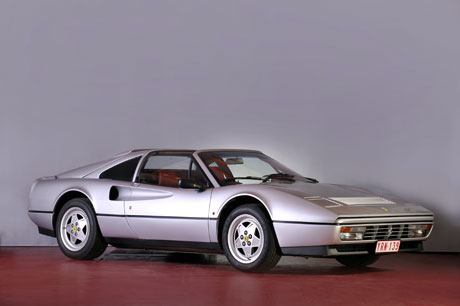
1989 Ferrari 328 GTS Targa
Representing the second generation of Ferrari’s V8-engined road cars, the entirely new 308 GTB debuted at the Paris Salon in 1975. This model line began in 1973 with the Dino-badged 308 GT4 2+2. The GT4’s wedge styling was not well received, but the performance of the midship-mounted, DOHC 3-liter V8 certainly was. Built on a…
-
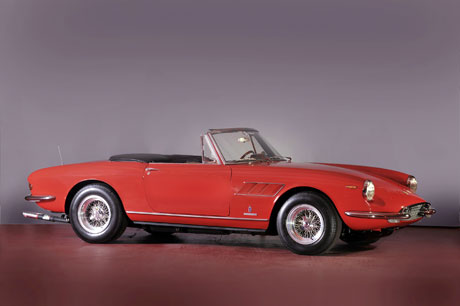
1968 Ferrari 330 GTS Spyder
The 330 GTC debuted at the Geneva Motor Show in 1966 and was intended to fill a gap in Ferrari’s line-up between the four-seat 330 GT 2+2 and the racer-on-the-road 275 GTB. Later that year, the open-top 330 GTS was introduced at the Paris Salon. The 330 GTS features a 4-liter, 300-hp version of Ferrari’s…