
Buy What You Love, Pay What You Should
Thor Thorson
-
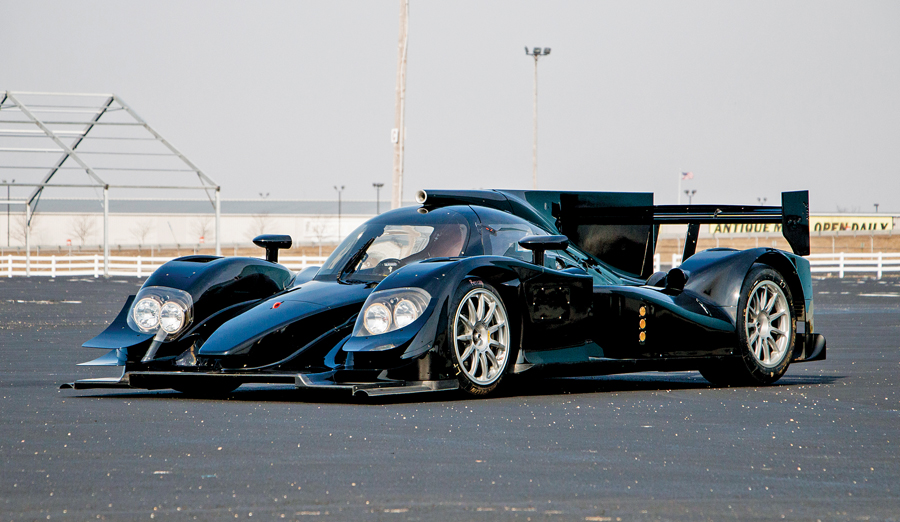
2012 Lola B1280 IMSA Racer
Available with powerplants from Nissan, Honda HPD, Lotus and, as with this example, the Judd BMW M3 V8, the Lola B1280 was the LMP2 version of the larger B08/60 chassis. With the large spinal fin, the car featured excellent stability at speed — a must for a car designed to go nearly 200 mph down…
-
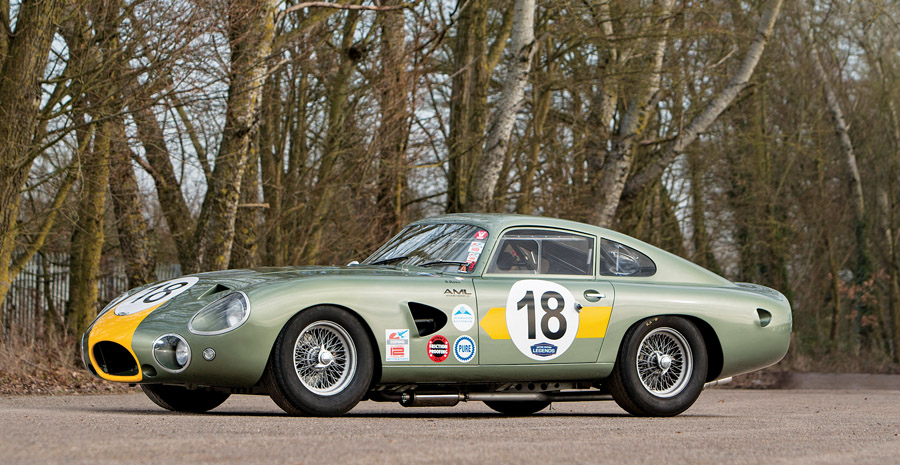
1961 Aston Martin DP214 Replica Competition Coupe
The four Aston Martin Development Project cars were the final racing iteration of the DB4 and Aston Martin’s last pure racers of the David Brown era. In 1962, DP212 appeared at Le Mans and led easily with Graham Hill at the wheel before engine trouble put the car out. In 1963, the final three DP…
-
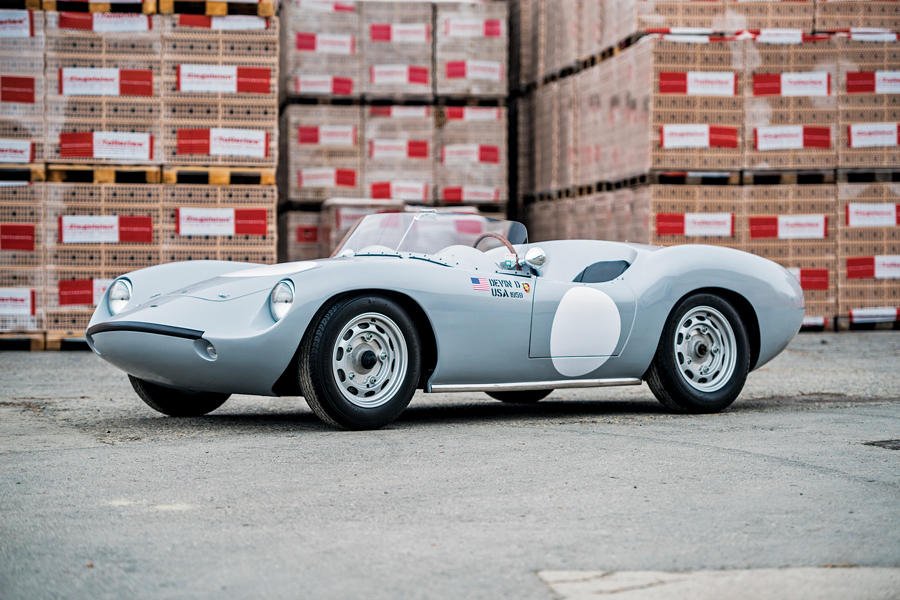
1959 Devin D Porsche Special
The brainchild of Bill Devin, an SCCA National Champion from California, Devin Enterprises created a number of kit cars in the 1950s and 1960s. Lightweight, affordable and easy to construct, Devin’s fiberglass sports car quickly earned him a stellar reputation, and Devins could be found competing on racetracks across America. The Devin D could be…
-
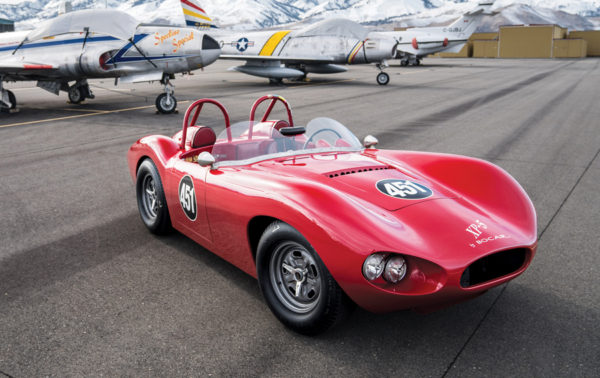
1959 Bocar XP-5
The outrageous Bocar of the 1950s was the dream of Bob Carnes, who constructed the cars in Denver, CO. No two were alike. Six iterations were built through 1961, when a fire engulfed the Bocar shop and production ceased. Some 40 complete cars are believed to have been built, including an estimated 15 XP-5s. Chassis…
-
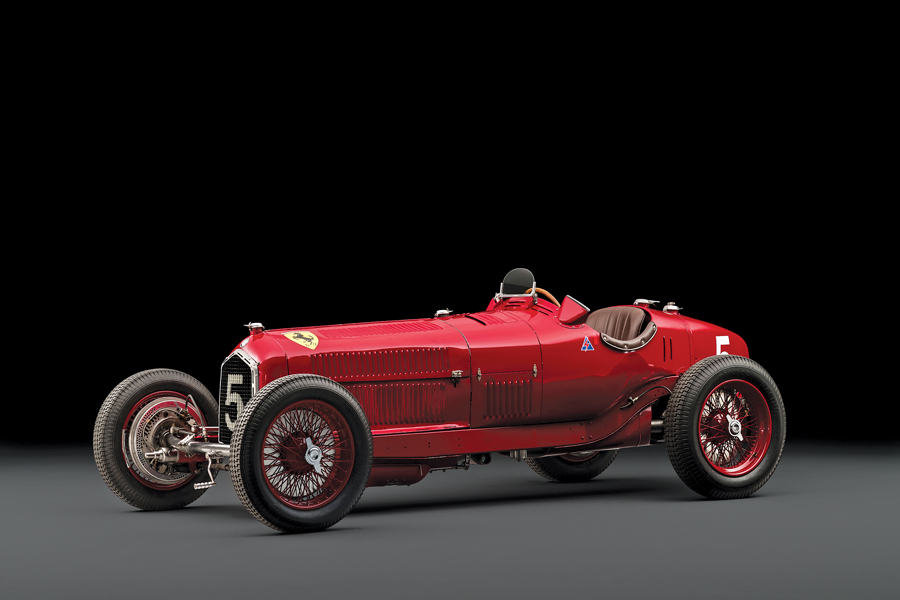
1934 Alfa Romeo Tipo B P3
Chassis 50006 is the sixth example of the seven Alfa Romeo Tipo B P3 second-series wide-body cars, and it is one of three originally fitted with the Dubonnet suspension and reversed quarter-elliptical leaf springs (as opposed to being converted by the factory following initial manufacture). Stamped with Scuderia Ferrari number 46, this car interchangeably participated…
-
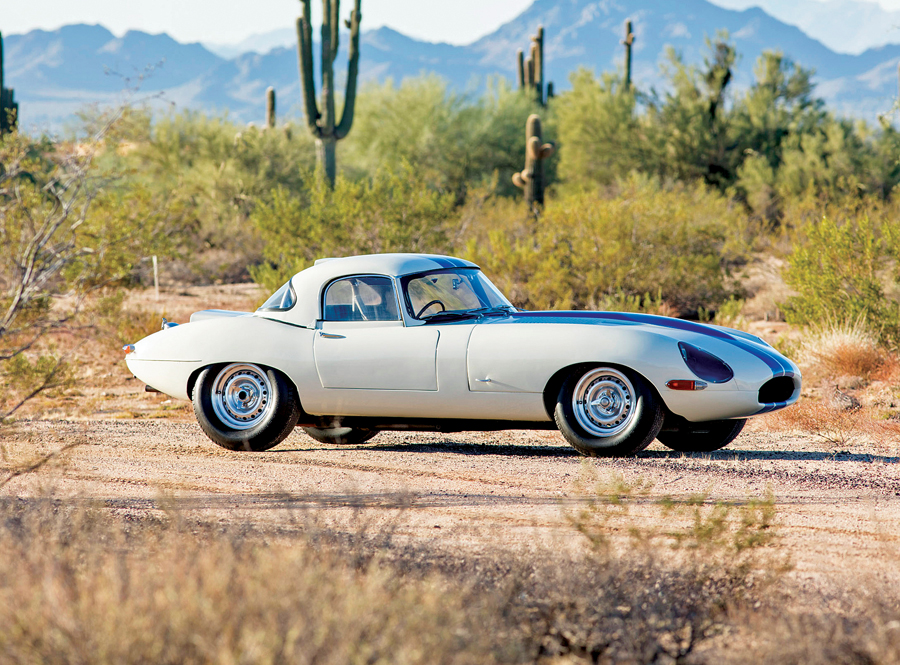
1963 Jaguar E-Type Lightweight Competition
Chassis S850667 is the 10th example of the 12 E-type Lightweights built. It benefits from a short chain of just three long-term caretakers, and the car displays phenomenal originality, having never been disassembled or rebuilt in any significant manner. The winner of the 1963 Australian GT Championship, this car boasts nearly unparalleled overall quality…
-
1987 Alfa Romeo 75 Turbo Evoluzione IMSA “Ufficiale”
Alfa Corse Works car Presented in correct Works livery Highly competitive historic racing candidate
-
1950 Jaguar XK 120 Competition Roadster
One of Australia’s best success stories in terms of motorcar sales and racing, the tale of Bib Stillwell began with a humble garage in Kew, Australia, in 1949. Early on, as agents for British sports cars MG and Jaguar as well as Morris, B.S. Stillwell & Co. established a fine reputation for excellence in client…
-

1964 OSCA 1600 GT Coupe
The OSCA 1600 GT offered here is the work of Carrozzeria Zagato, and is one of only seven Zagato-bodied cars that were raced; indeed, chassis 011 is probably the most raced of all OSCA 1600 GTs. Its driver was Fausto Mariani, who achieved numerous successes with 011 during the 1964 and 1965 seasons.
-
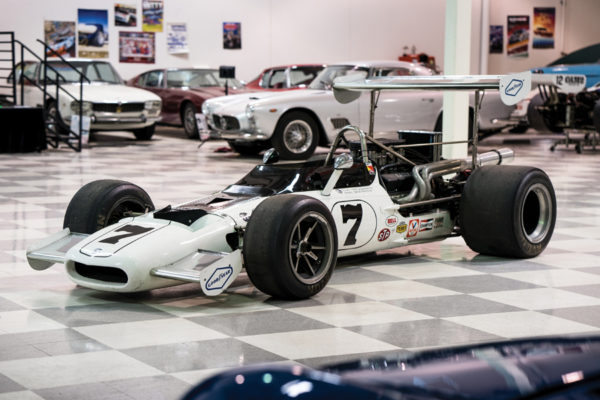
1969 AAR Eagle Mk 5 F5000
When Formula A offered a 5-liter class in 1968, the series took off in the United States as the “American Grand Prix.” The springboard was the adoption of the Chevrolet V8, tuned by Traco to deliver more than 400 horsepower. Dan Gurney instructed All American Racers designer Tony Southgate to modify the 1968 Eagle Indy…