
Buy What You Love, Pay What You Should
Columns
-

1957 Porsche 356A 1600S “Super” Speedster
By 1956, the Porsche 356 had been continually developed into one of the world’s most respected sports cars. This feat was quite remarkable considering that Porsche as a company was only celebrating its eighth anniversary. The evolution of the Porsche 356 was swift and further impelled not only by Porsche’s drive for technical improvement but…
-

1969 Chevrolet Camaro ZL-1 COPO Coupe
In 1969, Chevy performance guru Vince Piggins took direct aim at NHRA’s Super Stock and Pro Stock classes. His weapon of choice was the all-aluminum; big-block powered ZL-1 Camaro. Sixty-nine cars were built, four of which were finished in Dover White. This is production number 53, the only Dover White ZL-1 equipped with the M22…
-
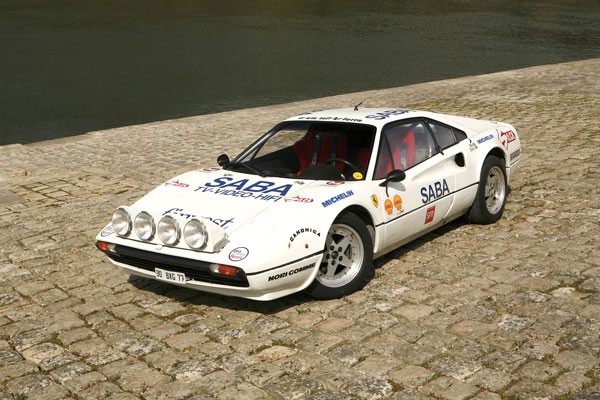
1976/1983 Ferrari 308 GTB Group B Michelotto
Introduced at the Paris Salon in 1975, the stunningly beautiful 308 GTB—Ferrari’s second V8 road car—marked a welcome return to Pininfarina styling following the Bertone-designed Dino 308 GT4. Badged as a proper Ferrari rather than a Dino, the newcomer had changed little mechanically, apart from a reduction in wheelbase. The car retained its predecessor’s underpinnings…
-

1957 Ferrari 500 TRC Spider by Scaglietti
Following engineer Aurelio Lampredi’s departure from Ferrari in 1955, a new engineering team was formed for 1956. These highly skilled men soon came up with a new 2-liter sports racing car: the 500 TR. This was the first Ferrari designated with the now-legendary name “Testa Rossa.” The 4-cylinder-engined Type 500 TR was introduced in 1956…
-
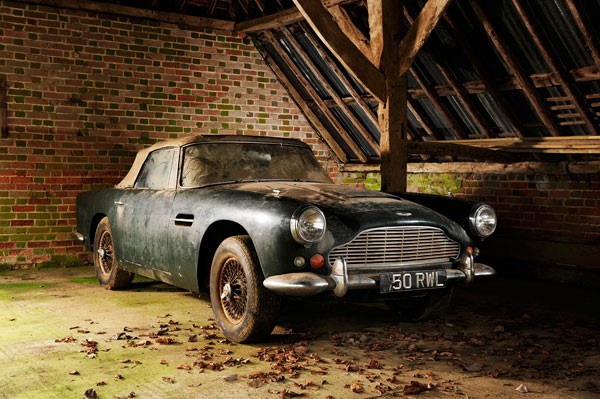
1963 Aston Martin DB4 Convertible Barn Find
Classically proportioned and instantly recognizable from the moment of its introduction in 1958, the Touring-styled Aston Martin DB4 established a look that would survive, with only minor revisions, until 1970. Designed by Tadek Marek and already proven in racing, the DB4’s new twin-cam, 6-cylinder engine displaced 3670cc while the gearbox was a new David Brown…
-
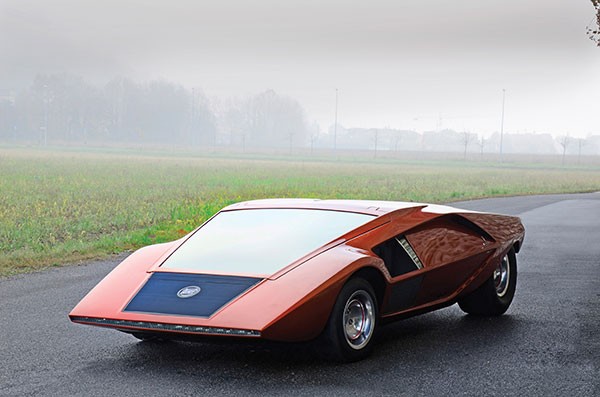
1970 Lancia Stratos HF Zero
That windshield does tilt up, and once inside, a turn of the key starts the engine, and you can drive off across town. It’s the future come to vivid life Chassis number: C1160 With the Stratos Zero, Bertone transcended the limits of automotive styling and chiseled a shape that appeared as though it were…
-
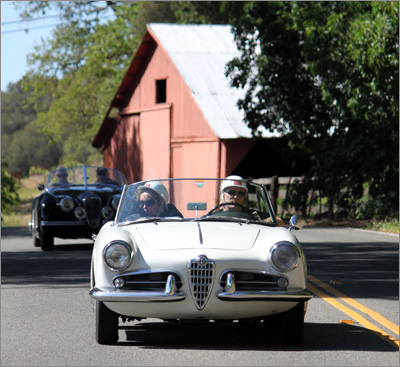
The Season of the Road
Buzzing like a multi-colored swarm of bees, the cars of the California Mille cruised through Bodega Bay on California Highway One. It was the morning of day four, and Wendie and I had pulled over for a quick espresso and to stretch our legs. This was the 21st running of the Mille, an event created…
-
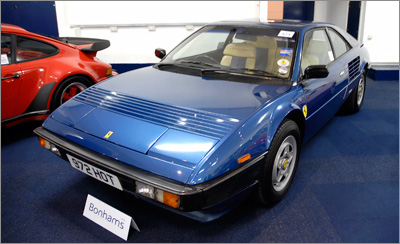
Just Used Cars
I am often asked why I don’t traffic in or write about more Fiat-era cars, such as the 308s, 328s, 348s and the 400s, BBs and TRs. The answer is simple. One of the great realities all Ferrari dealers and brokers know all too well is that the brain-damage factor—from both the buyer and the…
-
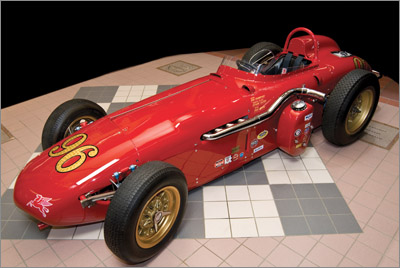
1961 Elder-Crawford Indy Roadster
Front-engined roadsters were a feature of the Indianapolis 500 from 1921 to 1963. Especially constructed for the 150-plus mph oval track, they attracted the best racing engineers that America had to offer, including Harry Miller, Fred Offenhauser, Frank Kurtis and A. J. Watson. Few Indy 500 roadsters survive in unmodified form, mainly because of the…
-

The FBI Crashes an F50—The Sequel
Legal Files previously reported about an incident where FBI agents crashed a Ferrari F50 that they had seized (SCM February 2010, p. 26). As amazing as that scene was, the same F50 has been in the news again, and now we know the rest of story. The F50 was introduced in 1995. At 513 horsepower…