
Ferrari
-
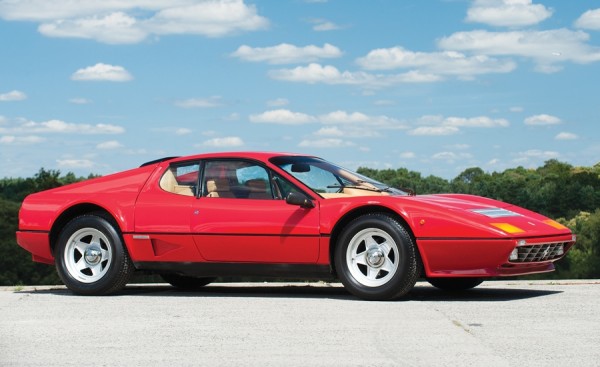
1984 Ferrari 512 BBi Berlinetta Boxer
When introduced at the 1981 Frankfurt Salon, the 512 BBi brought about only minor changes from the outgoing 512 BB, with the chief among those being the addition of a Bosch K-Jetronic fuel-injection system. The BBi retained all of the 512 BB’s looks and character — but added exposed driving lights on the nose and…
-
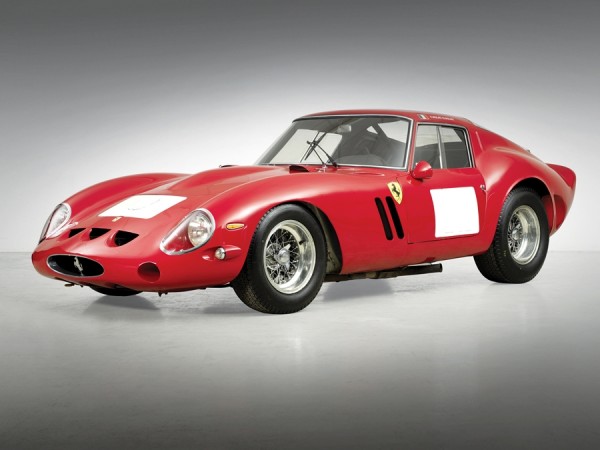
1962–63 Ferrari 250 GTO Berlinetta
The Ferrari 250 GT Omologato needs little introduction as the most iconic, most habitable, street-useable, race-winning, World Championship-winning — and simply gorgeous — closed two-seat coupe car from the world-famous Maranello factory. The GTO was developed to contest the 1962 3-liter class FIA GT World Championship series of classical endurance-racing events. Selective production at Maranello…
-
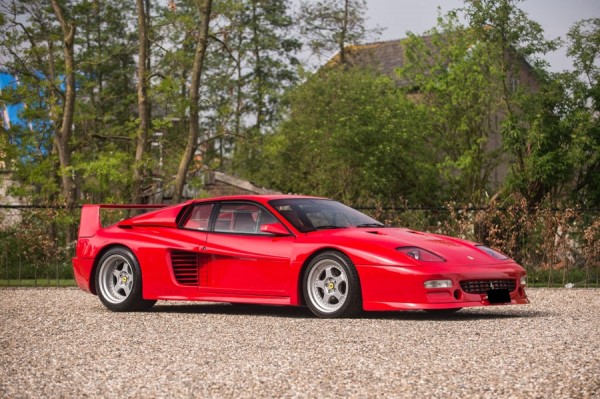
1987 Ferrari Testarossa Koenig Competition Evolution II
For some people, the best is not enough. In 1984, the Koenig Workshop, a German preparer based in Munich, developed an extreme high-performance car that was given the name Ferrari Testarossa Koenig Competition Evolution. As the name reveals, the model used as a starting point was extraordinary in its own right, as the Testarossa was…
-
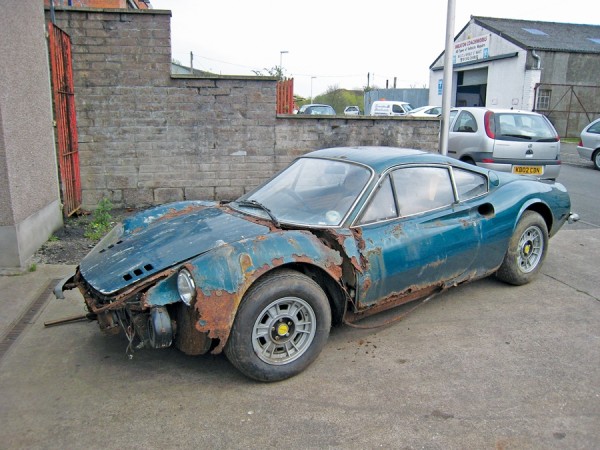
1973 Ferrari 246 GT Dino Barn Find
The car on Pininfarina’s stand at the 1965 Paris Auto Salon was the forecast of Ferraris to come. Called the “Dino 206 S Speciale,” it was a sleek, competition-inspired coupe to be powered by the Ferrari-designed, mid-mounted V6. A “research prototype” built on a racing chassis, it was merely eye candy, as it had no…
-
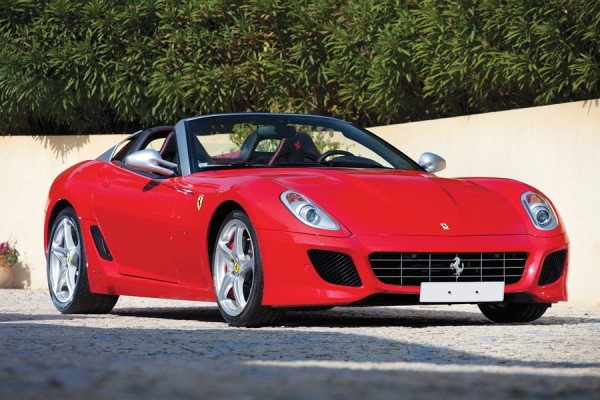
2012 Ferrari 599 SA Aperta and 2012 Ferrari 599 GTO
The SA Aperta was announced at the Paris International Motor Show in 2010. It carried on Ferrari’s tradition of creating limited-edition, drop-top V12 grand tourers, which included the 550 Barchetta and the 575 Superamerica. Only 80 examples would be made, and they had all been spoken for by the time they were announced publicly. The…
-
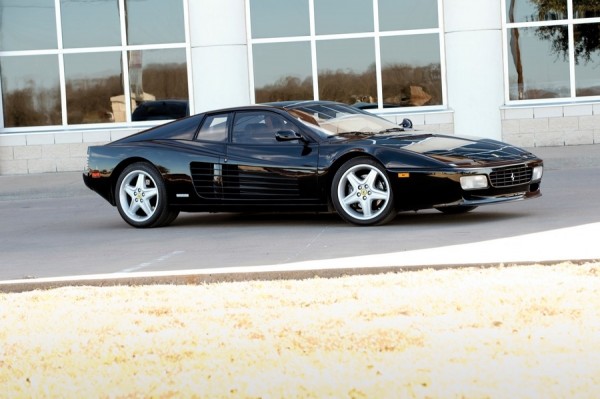
1994 Ferrari 512 TR
The replacement for Ferrari’s Testarossa, the 512 TR, was introduced for the 1992 model year as a response to the launch of Lamborghini’s Diablo in 1990. The car was well acclaimed by the motoring press right from its introduction. The legendary Phil Hill wrote in Road & Track that “lurking under that bodywork is about…
-
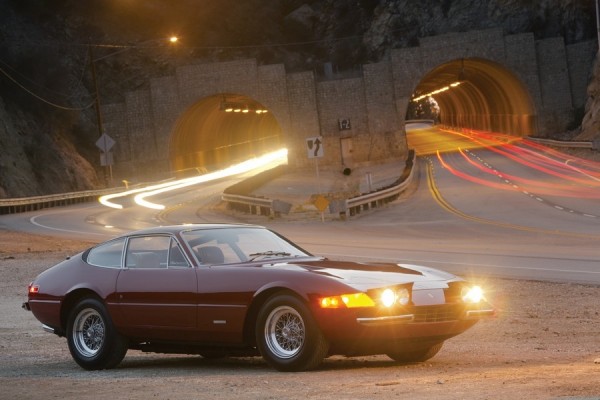
Amelia Island 1972 Ferrari 365 GTB/4 Daytonas
1972 Ferrari 365 GTB/4 Daytona Berlinetta Chassis 15569 An original sales invoice indicates chassis number 15569 was sold new by Luigi Chinetti Motors to Verby Equipment Company in New York. Ensuing maintenance invoices extending to 1976 demonstrate that Mr. Verby conscientiously serviced his Ferrari at the famous Greenwich importer. Mr. Verby kept the Daytona for…
-

1955 Ferrari 750 Monza Spyder
This car is equipped with a 260-hp, 2,999-cc DOHC inline 4-cylinder engine with two Weber 45 DCO/A3 carburetors, a 5-speed manual transaxle, independent front suspension with transverse leaf springs, De Dion rear axle with parallel trailing arms and semi-elliptic leaf springs, four-wheel drum brakes, and a tubular steel frame. This car finished 5th overall at…
-
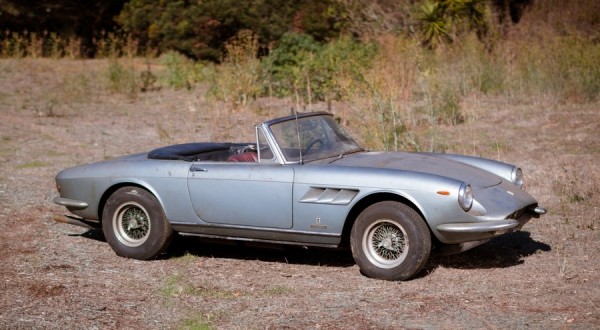
1967 Ferrari 330 GTS Barn Find
Soon after the 330 GTC was unveiled at the 1966 Geneva Auto Salon, Ferrari introduced its exclusive Spider variant, the GTS. The new 330 GTC, GTS, and the contemporary 275 GTB/4 featured the same mechanical layout of fully independent suspension, four-wheel disc brakes, a rigid torque-tube driveshaft, and a 5-speed, rear-mounted transaxle. Whereas the 275…
-
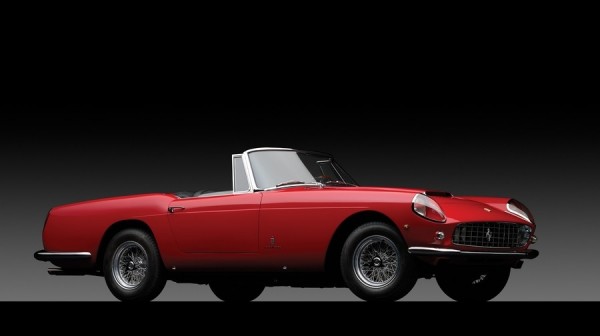
1961 Ferrari 250 GT Cabriolet Series II by Pininfarina
The 250 series was Ferrari’s crowning achievement of the 1950s and early 1960s. The high-water marks of this series have defined the “Prancing Horse” in the decades since, and in many ways, the series set the stylistic and cultural tone, which has grown exponentially model after model. From the lovely Lusso and the sporty California…