
Buy What You Love, Pay What You Should
Ferrari
-
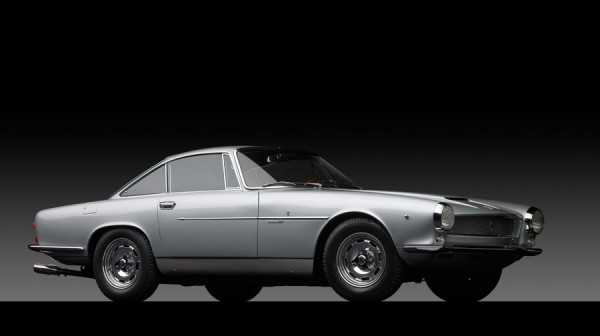
1959 Ferrari 250 GT SWB “Competition” Berlinetta Speciale
The 250 GT SWB was an automobile that could be driven to the racetrack, easily decimate the competition, and then be driven home. Although there were detail differences from car to car, the 250 GT SWB was fundamentally a standardized design. However, that did not stop the demand for custom coachwork. Six chassis utilized custom…
-
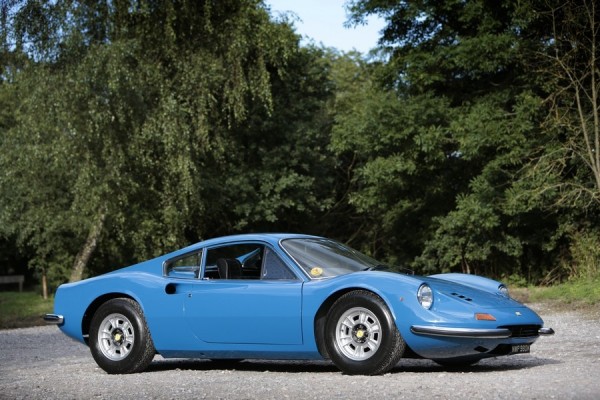
1972 Ferrari 246 GT Dino Berlinetta
The need for a production-based engine for Formula 2 led to the introduction of a “junior” Ferrari — the Dino 206 GT — at the Turin Motor Show in 1967. Building on experience gained with its Dino 206S sports racer, Ferrari retained the racer’s mid-engined layout for the road car but installed the power unit…
-
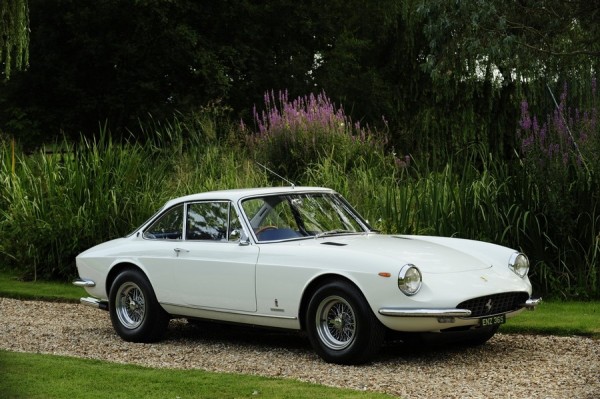
1969 Ferrari 365 GTC
In essence a closed version of the 275 GTS, the 330 GTC, which was the immediate forerunner of the 365 GTC, was first shown at the Geneva Motor Show in March 1966. Beneath the understated Pininfarina coachwork, there was the 4-liter version of Ferrari’s familiar, Colombo-designed two-cam, 60-degree V12 (as used in the 330 GT…
-
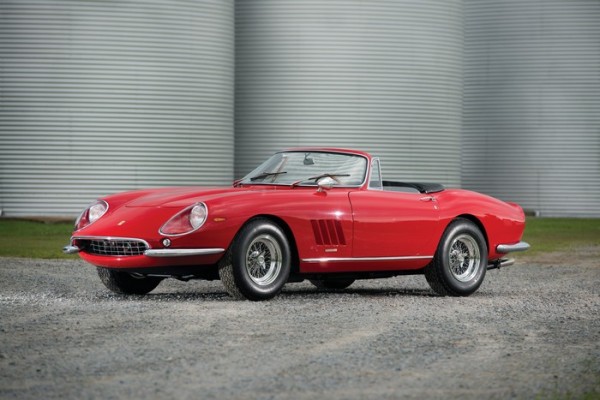
1967 Ferrari 275 GTB/4S NART Spyder
Luigi Chinetti recognized the viability of sporty open cars in the American market. The 250 GT SWB California Spyder in particular proved itself a resounding success. But whereas the 4-cam’s predecessor — the 275 GTB — offered a Spyder variant, the wind-in-your-hair alternative to the 275 GTB/4 was a 330 GTS. As such, the 275…
-
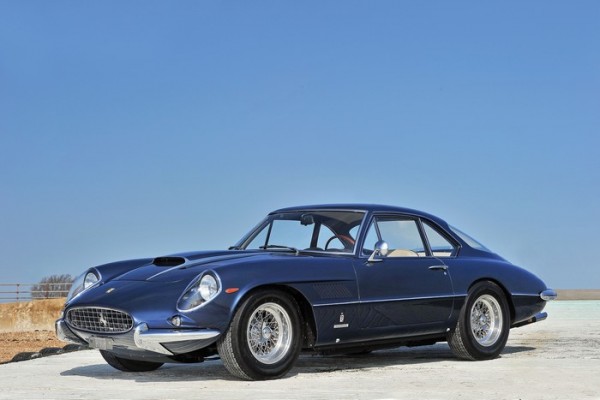
1962 Ferrari 400 Superamerica SWB
As the echoes of World War II austerity faded in Europe, it occurred to Enzo Ferrari that his wealthiest clients were ready for a super-fast, road-going gran turismo. The result was a series of exclusive Ferraris built with especially powerful engines wrapped in elegant bodies from the finest Italian coachbuilders. Each car was individually tailored…
-
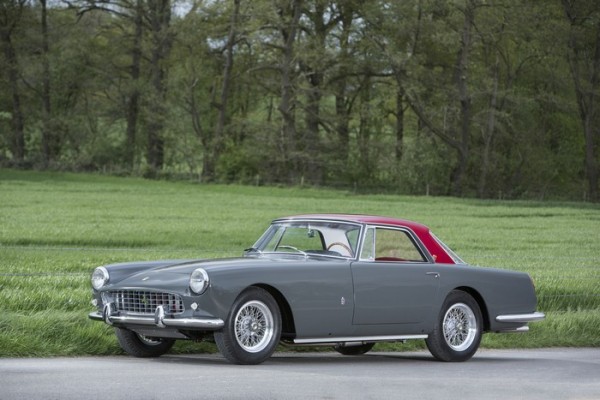
1958 Ferrari 250 GT Coupe
With the 250 engine came a family of cars that turned Ferrari from a small-scale marque to a world-renowned manufacturer. This range was based on a powerful 3-liter V12 engine designed by Gioacchino Colombo. The engine was adaptable to use on the road or the track. After the first examples of the 250 Ellena and…
-
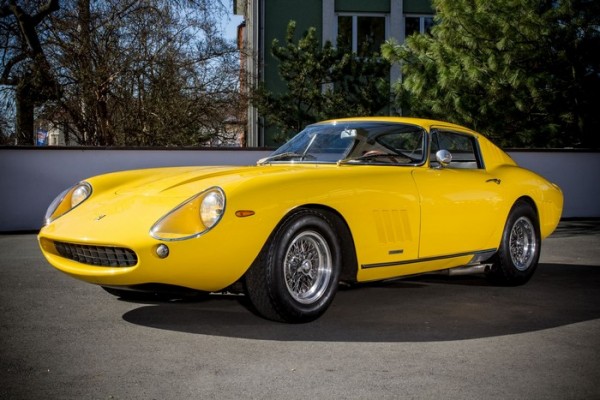
A Tale of Two 1964 Ferrari 275 GTB 2-Cams
1964 Ferrari 275 GTB Berlinetta Chassis number 06663 was originally built as a short-nose model with a steel body. Factory records show that the car was originally finished in Azzurro (blue) with Pelle Nera (black leather) interior. Less than two weeks after it was sold to its first owner, 06663 was sold again. The new…
-
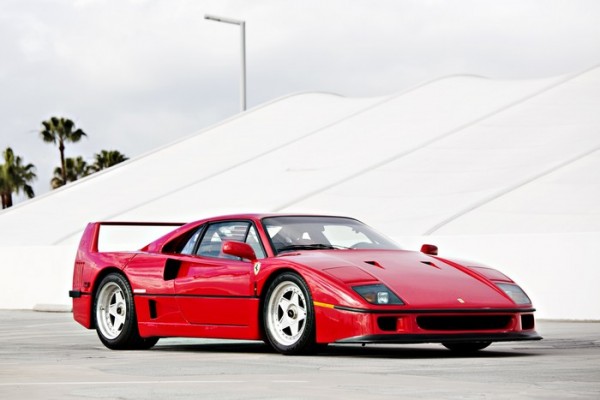
F40 and F50 Showdown in Amelia
1990 Ferrari F40 • The last Enzo-era Ferrari • One of only 213 U.S.-specification F40s • Displayed at Concorso Italiano in 1991 and 1993 • Approximately 7,050 miles from new • Very original, unmodified example • Recently serviced at Norbert Hofer’s Grand Touring Classics • Offered with owner handbooks and tool kit • Ferrari historian…
-
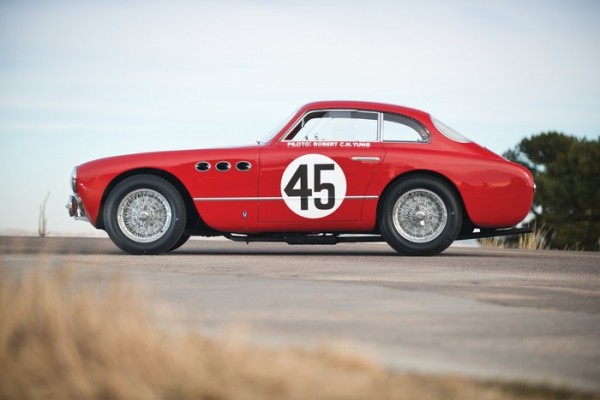
1952 Ferrari 225 Sport Berlinetta “Tuboscocca”
The lifeblood of Ferrari, particularly in the early years, was competition. It is a widely held belief that the creation of road-going versions of the competition sports cars existed almost solely to support Il Commendatore’s racing effort. In many instances, engineering advances developed for battle can be traced directly to the road cars, such as…
-
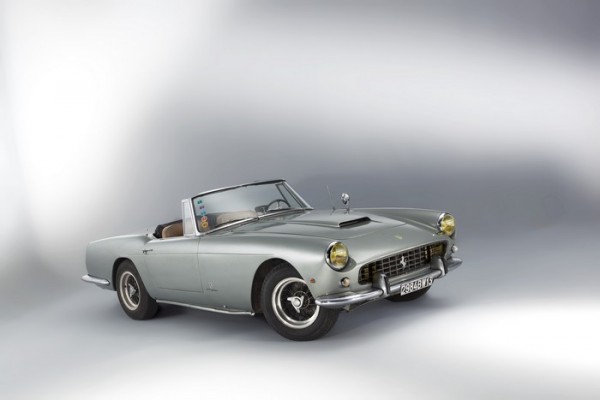
1962 Ferrari 250 GT PF Cabriolet Series II
The 250 engine paved the way for a large family of cars that helped Ferrari expand their limited output into series-produced sports cars. The new range was based on the 3-liter V12 engine designed by Gioacchino Colombo. The engine was powerful, smooth and adaptable to both touring and racing. The trend continued with the arrival…