
Profiles
-
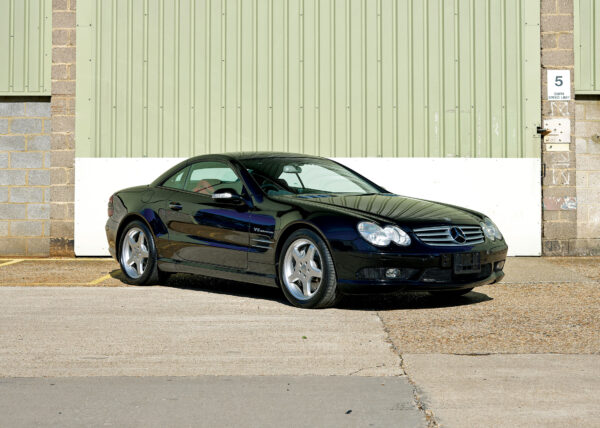
Big Benz Bang for the Buck
There aren’t many high-end sports cars that become truly affordable, both in purchase price and in real cost of ownership. The 2002–08 Mercedes-Benz SL55 AMG, however, is one such unicorn. Typical market prices are less than the cost of a new Toyota Camry, and you get a sweet supercharged V8 wrapped in a sexy folding-hard-top…
-
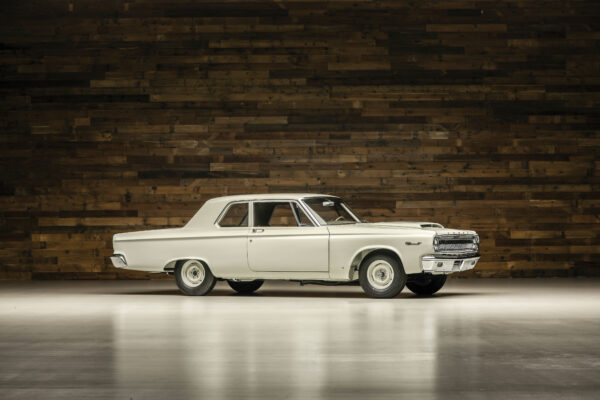
1965 Dodge Coronet A990 Lightweight
Chrysler allowed the development of its Hemi engine for one real purpose: to win races. However, NASCAR in 1964 decided that Chrysler’s engine was not acceptable on its racetracks. Plan B was to build a factory car that would dominate the stock classes in NHRA-sanctioned drag racing. Thus was born the era of “A990” Super…
-
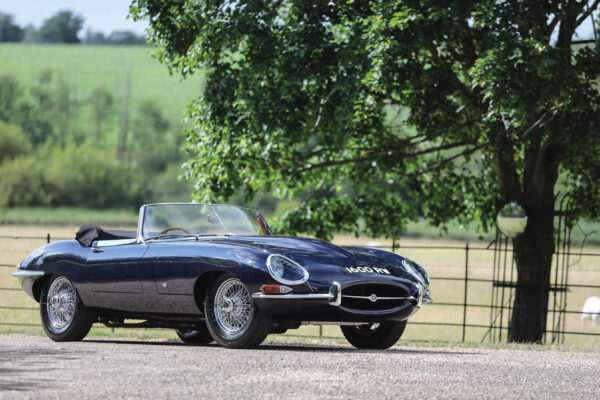
1961 Jaguar E-Type 3.8 Convertible
Sir William Lyons’ leadership allowed Jaguar to flourish. He had appointed the gifted engineer, pilot and racing technical wizard Frank RW “Lofty” England to lead the company’s racing department. Applying his experience working with Tim Birkin’s team and the Blower Bentley cars, as well as Prince Bira’s White Mouse Stable, in preparing his ERA race…
-
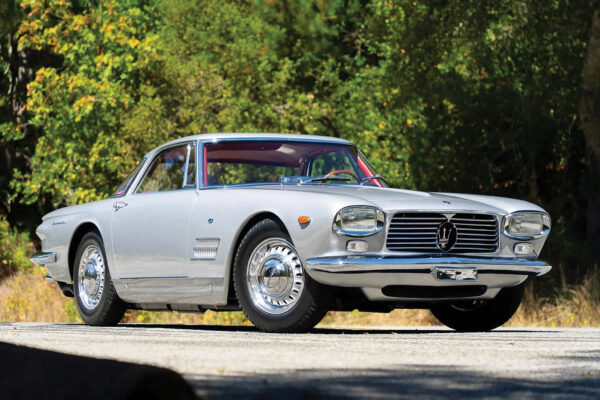
1961 Maserati 5000 GT Indianapolis Coupe by Allemano
This 1961 Maserati 5000 GT is one of 34 examples built between 1959 and 1966 and is the first among 22 coupes constructed with Carrozzeria Allemano bodywork penned by Giovanni Michelotti. Named the Indianapolis as a nod to Maserati’s Indy 500 legacy, chassis 103014 was completed in September 1961 before being showcased in the factory…
-
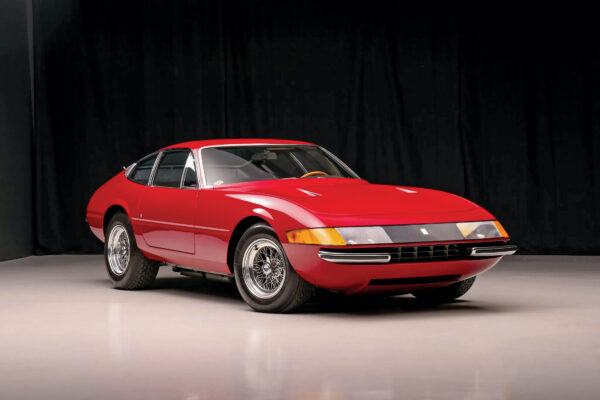
1970 Ferrari 365 GTB/4 Daytona
This 1970 Ferrari 365 GTB/4 is one of approximately 410 examples built with fixed headlights behind a plexiglass nose panel before a pop-up headlight configuration was adopted in 1971. Chassis 13231 was completed on March 6, 1970, before being delivered new in Bologna, Italy. It was imported later that decade to the U.S., where it…
-
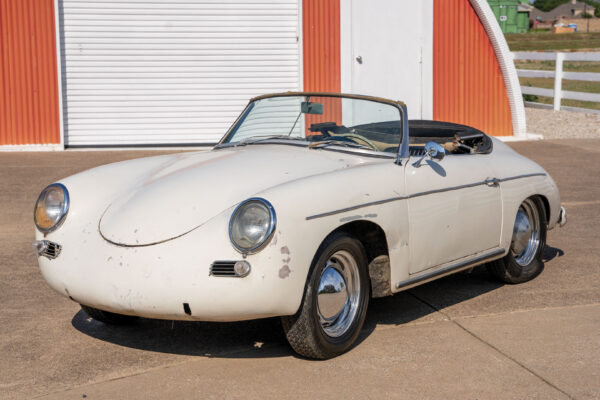
1959 Porsche 356 Convertible D
Porsche’s 356A is truly the most swoon-worthy production automobile the Stuttgart firm ever created. The D was only produced in 1959 before the model was transformed into the 356B in 1960; at a mere 1,331 manufactured, it is one of the rarest production automobiles to ever don the Porsche badge. Dennis Collins has a passion…
-
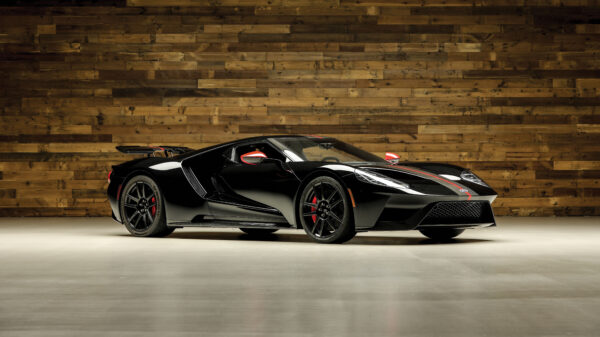
2021 Ford GT Carbon Series
Russell Sims, an emerging Ford design-team engineer, was selected for a top-secret project code-named “Phoenix.” Operating out of the “Batcave,” the basement of the Ford design studio, to keep things as quiet as possible, Russell and team began designing the components for the 2016 Ford GT that would take on the notorious 24 Hours of…
-
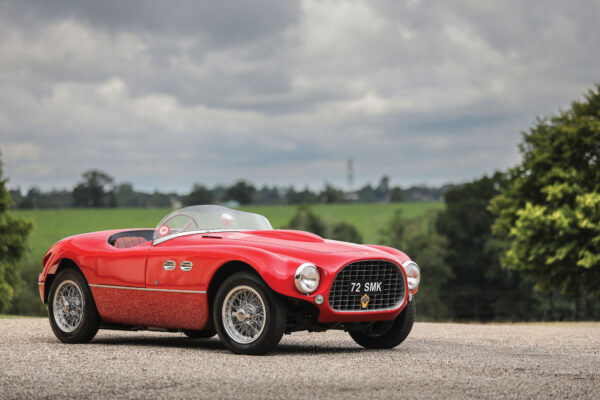
1953 Ferrari 166 MM/53 Spider
It was the Tipo 166, introduced in 1948 as a replacement for the 125 S, that first established Enzo Ferrari’s Modenese workshop as a leading manufacturer of racing cars. Powered by a 2-liter, Colombo-designed V12 engine, the 166 set forward a course of development that would define the look, sound and inimitable character of Ferrari…
-
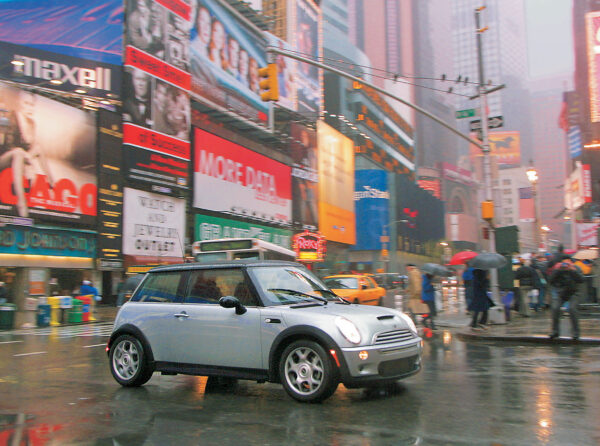
Don’t Call it “Cute”
The new Mini entered the market in the 2002, now under BMW ownership, and was immediately successful. This was an era of retro-fabulous versions of European classics. Volkswagen’s New Beetle had turned up a few years prior, and Fiat gave its venerable 500 the same treatment just a few years later. Europeans got a host…
-
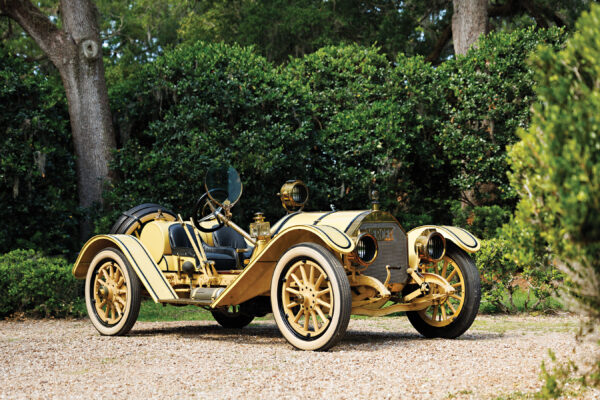
1914 Mercer Type 35-J Raceabout
The Mercer Type 35-J Raceabout offered here, chassis 1967, hails from the final year of T-head production, 1914. This car features many subtle improvements that were implemented since the model’s introduction, most notably the desirable 4-speed gearbox that was unveiled in 1913. The car’s history is known since the mid-1930s, when it was owned by…