
Profiles
-
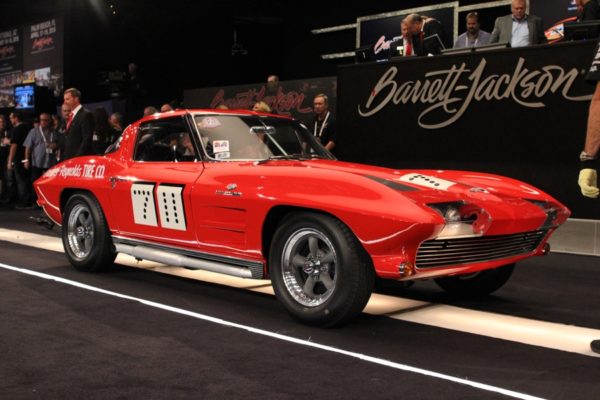
1963 Chevrolet Corvette “711” racer
Harry Mann Chevrolet was the largest Corvette dealer in America when the new 1963 Sting Ray Z06 made its race debut at the October 1962 Times Grand Prix in Riverside, CA. However, driver Gary Pickens was relegated to the sidelines, as Chevrolet had released only six RPO Z06 competition Corvettes and none would be available…
-
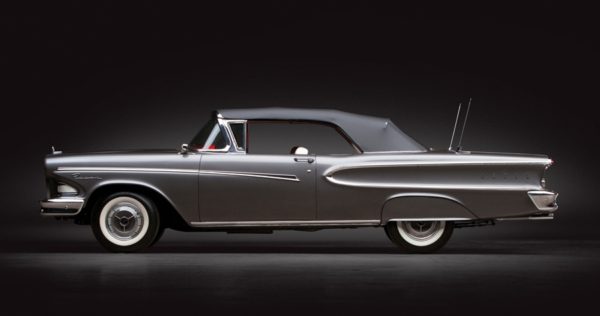
1958 Edsel Pacer convertible
This Edsel Pacer was used as a daily driver and then restored by the late actor Sage Stallone, son of Sylvester Stallone. It is attractive in its medium gray metallic paint and red-and-white vinyl interior. Most recently, it received a cosmetic freshening that included the installation of a new convertible top and a rear-mounted dual-exhaust…
-
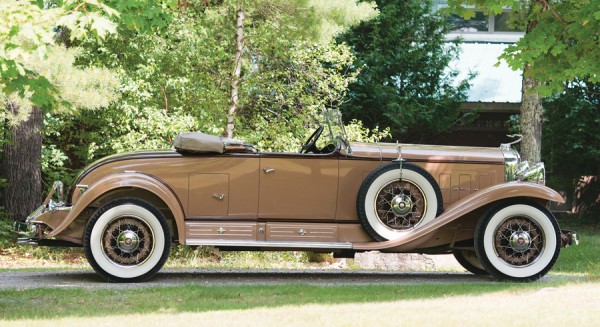
1930 Cadillac V16 Roadster
On January 4, 1930, Cadillac stunned the fine-car market at the New York Auto Show with the introduction of its breathtaking new V16. With it, Cadillac instantly catapulted itself to the head of the luxury class in one brilliant stroke. Until then, only Bugatti had produced a 16-cylinder engine, and it was accomplished by bolting…
-
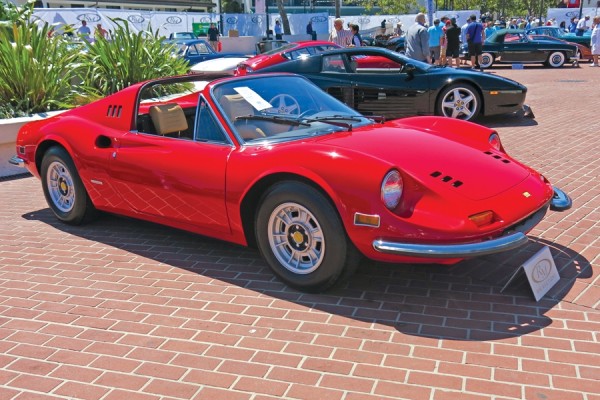
Coulda, Woulda, Shoulda
Here at SCM, we take some space in every issue to look at affordable classics — great cars that you can get into without emptying your wallet. Affordable classics are great because they’re far more engaging than the average new grocery-getter, and you can drive them without worrying yourself to death about miles, damage and…
-

1911 Mercer Type 35R Raceabout
The Mercer Automobile Company was established in 1909 by the Roebling family, creators of tensioned wire-rope suspension bridges — embodied by the Roebling-built Brooklyn Bridge. The company was crippled early on by the deaths of its Roebling family leaders, but it survived until 1925, when it was renamed the Mercer Motors Company, signaling its acquisition…
-
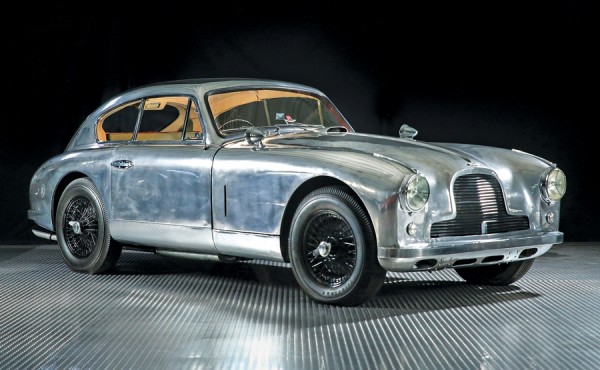
1954 Aston Martin DB2/4 Coupe
The BMIHT Certificate states that this DB2/4 was completed on February 2, 1954, and it was originally sold to a Scottish customer. While its early history is unknown, its build sheet documents an early factory engine replacement. According to Anthony Forshaw, it is believed that its current engine is that period replacement unit. Aston Service…
-

1954 Pegaso Z-102 Cabriolet
That Spanish truck manufacturer ENASA should have built one of the most exotic sports grand touring cars of the early 1950s seems rather improbable. However, it becomes somewhat more understandable when you learn that the company’s chief technical manager’s last position was Chief Engineer, Special Projects, for Alfa Romeo from 1936 to 1944. Wifredo Ricart…
-
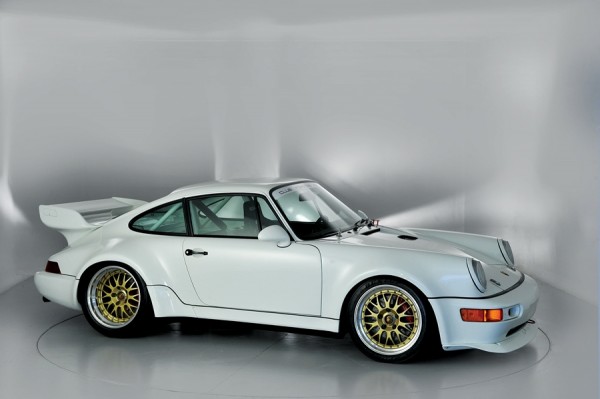
1993 Porsche 911 Type 964 Carrera RSR 3.8-Liter Competition Coupe
Built for privateers to go international GT racing, the phenomenally successful RSR was one of the final developments of the Porsche 911 Type 964, which on its launch in 1989 had represented a major step forward in the development of Porsche’s long-running sports car. Two versions were offered — the Carrera 4 and Carrera 2…
-
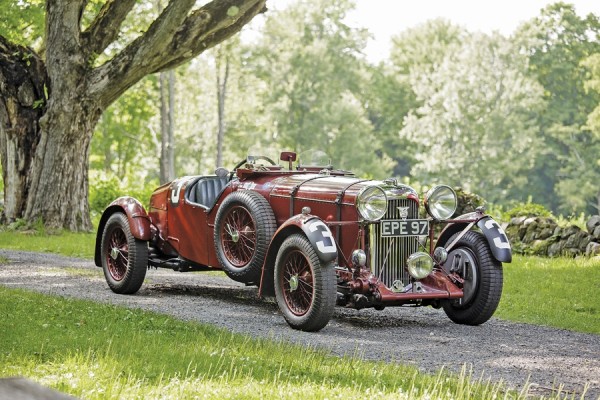
1936 Lagonda LG45R Rapide Sports-Racing Two-Seater
This is the most famous Lagonda of all. Special competition variants of the LG45 were tailor-made at Staines Bridge for the Lagonda company’s experienced and battle-hardened quasi-Works racing team: Fox & Nicholl Limited of Tolworth, Surrey. Just as Enzo Ferrari’s private Scuderia ran the quasi-Works Alfa Romeo team cars from 1932 to ’37, so Fox…
-
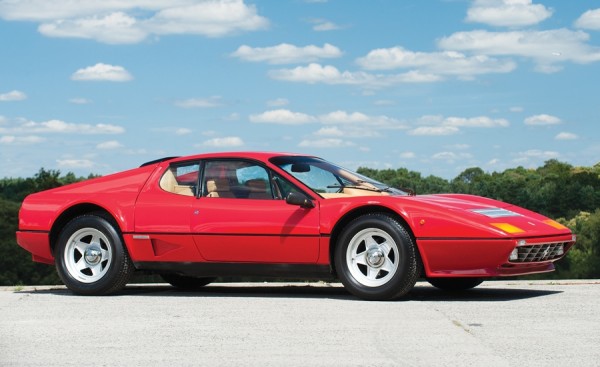
1984 Ferrari 512 BBi Berlinetta Boxer
When introduced at the 1981 Frankfurt Salon, the 512 BBi brought about only minor changes from the outgoing 512 BB, with the chief among those being the addition of a Bosch K-Jetronic fuel-injection system. The BBi retained all of the 512 BB’s looks and character — but added exposed driving lights on the nose and…