
Buy What You Like, Pay What You Should
Ken Gross
-
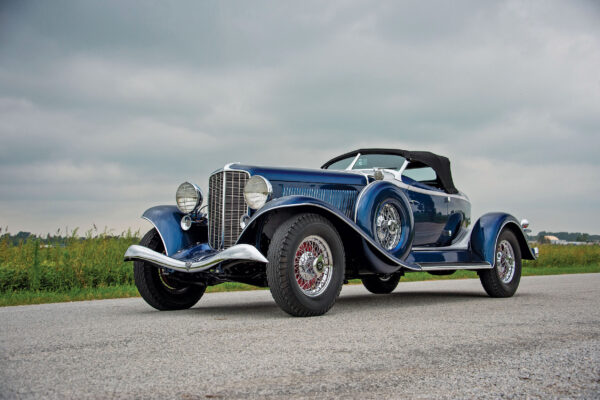
1933 Auburn 12-160A Salon Speedster
In the tradition of great artists who became truly famous only after their death, Alan Leamy of the Auburn Automobile Company left behind 33 brief years of startling innovation in body contours — a portfolio that was appreciated in its time, but which only became legendary decades after his passing in 1935. Leamy’s finest design…
-
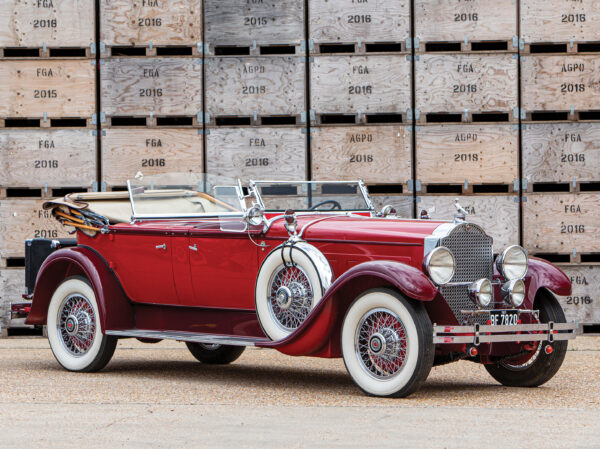
1929 Packard Series 645 Deluxe Eight Sport Phaeton
Always built to the highest standards, the Packard was unquestionably one of the finest American cars of the pre-war era. The Packard’s innovative engineering and superior build quality were soon attracting the attention of wealthy clients, with William D. Rockefeller purchasing two at the New York Automobile Show in November 1900. “Ask The Man Who…
-
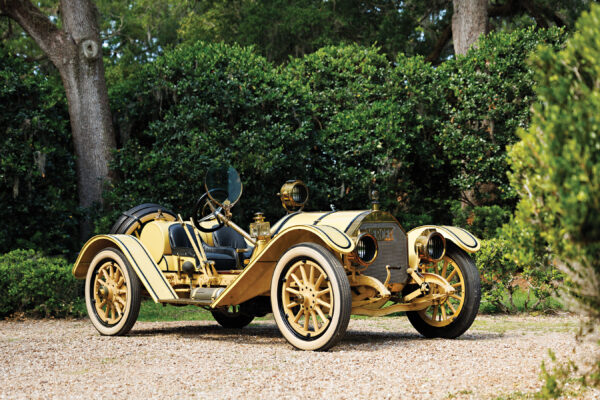
1914 Mercer Type 35-J Raceabout
The Mercer Type 35-J Raceabout offered here, chassis 1967, hails from the final year of T-head production, 1914. This car features many subtle improvements that were implemented since the model’s introduction, most notably the desirable 4-speed gearbox that was unveiled in 1913. The car’s history is known since the mid-1930s, when it was owned by…
-
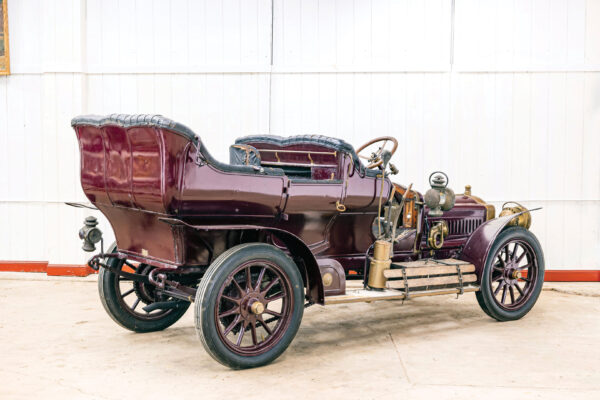
1906 Thomas Flyer 50HP 7-Passenger Tourer
One of the most recognizable automobiles of this era and arguably the most important of all the pioneering brands, the Thomas was the car that conquered the globe and put the American industry on the map. For the 1906 season, all Thomas cars were built on a 118-inch wheelbase and powered by 4-cylinder, 50-horsepower engines.…
-

1932 Chrysler Imperial Series CG Custom Eight Roadster
Seldom is an automobile more closely linked with its original owner than this 1931 Chrysler and Dr. William F. Whelan. A respected Philadelphia ears, nose, and throat doctor, he served for years both in private practice and as an associate professor at the University of Pennsylvania Medical School before his retirement in 1963. His success…
-
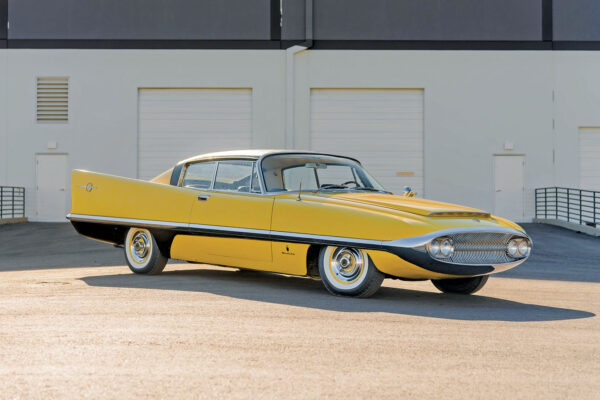
1957 Chrysler Ghia Super Dart 400
Proudly offered as one of the most important cars from the renowned Ramshead Collection thoughtfully curated by the late John White, this stunning and impressive one-off Ghia-styled concept car boasts not just uniqueness in its visual presence and auto-show history, but also impeccable originality and preservation, having been collected by discerning custodians as a truly…
-
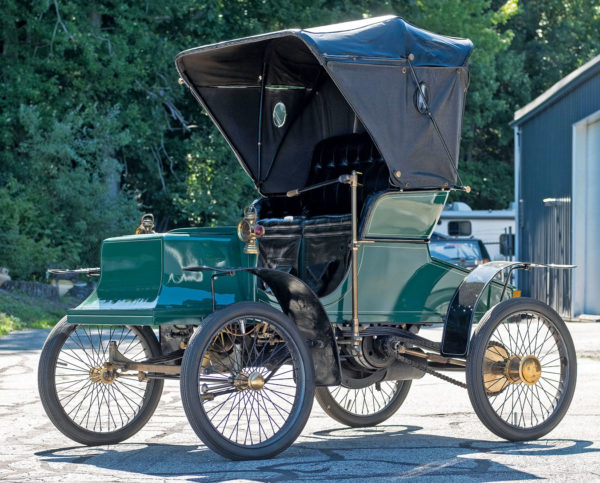
1903 Knox Model C Runabout
Knox automobiles were built in Springfield, MA, from 1900 to 1914. The earliest production Knox three-wheelers were built in the Waltham Watch Company’s Springfield factory. For 1903, just one model was cataloged, the Model C, built on a wheelbase slightly extended over its predecessor of 72 inches. The clever, compact, runabout bodywork was retained, a…
-
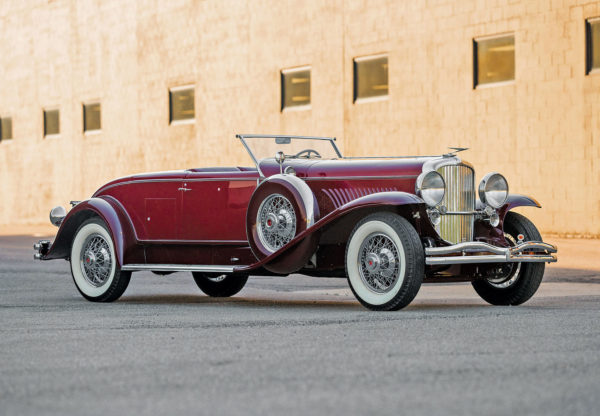
1935 Duesenberg Model J Convertible Coupe by Rollston
The Rollston Company was inarguably New York’s finest coachbuilder — renowned for the proficiency of its designers in both open and convertible styles, with conservative or rakish lines. Few American shops of any era were so skilled at so diverse a catalog, all built with outstanding craftsmanship and rock-solid quality. It is a testament to…
-
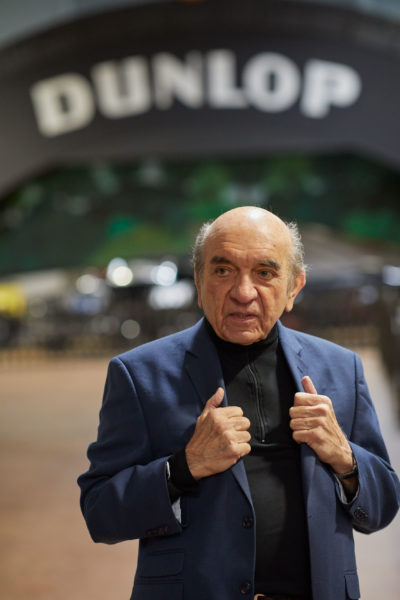
Remembering Dr. Fred
Dr. Frederick Anthony Simeone, whose extraordinary car collection featured many racing cars with Le Mans history, died on Saturday, June 11. He was 86. Fittingly, his last moments were spent at the hospital he regarded as a second home, as the 24-hour race was well underway. “Dr. Fred,” as many people called him, was a…
-
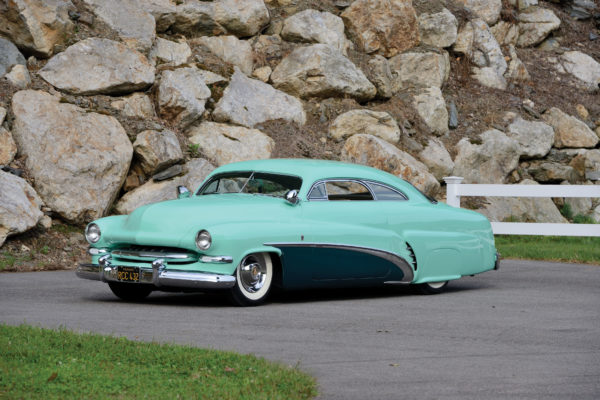
1951 “Hirohata” Mercury Custom Coupe
Uniquely American in many ways, the custom-car craze truly found its calling in the late 1940s, blossoming throughout popular culture in the following decade. For many owners, the restyled early post-war Mercury coupes have been the way to go for these changes, and the 1949–51 cars quickly became an open canvas for custom “lead sled”…