
Buy What You Love, Pay What You Should
English
-
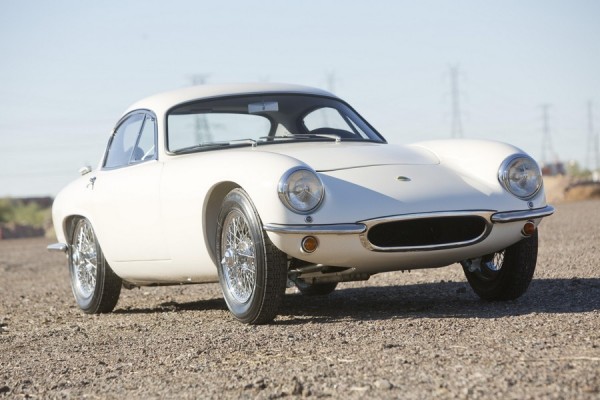
1960 Lotus Elite Series II
With the Lotus 14 of 1959 — better known as the Elite — Colin Chapman demonstrated that his skills as a racing-car designer and constructor could just as easily be applied to production road cars. Just as innovative as Lotus’s outright competition cars, the Elite featured a fiberglass monocoque body tub, independent suspension all round…
-
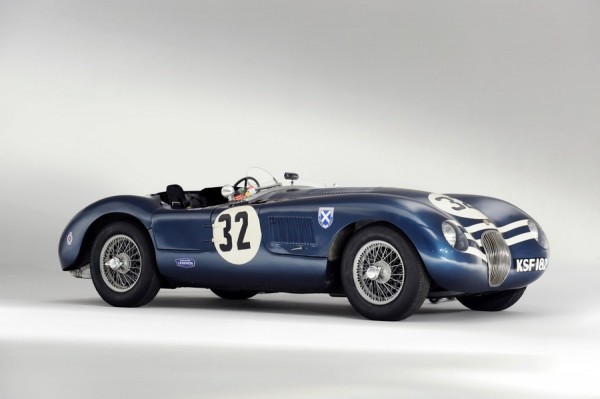
1952 Jaguar C-Type Roadster
Some 54 C-types were manufactured in all, the majority for customer sale, leaving the model rarer than examples of the replacement D-type family. This Ecurie Ecosse C-type has often been listed as having been intended originally for export to a customer in Argentina named Carlos Lostalo. The order was allegedly canceled due to customs difficulties,…
-
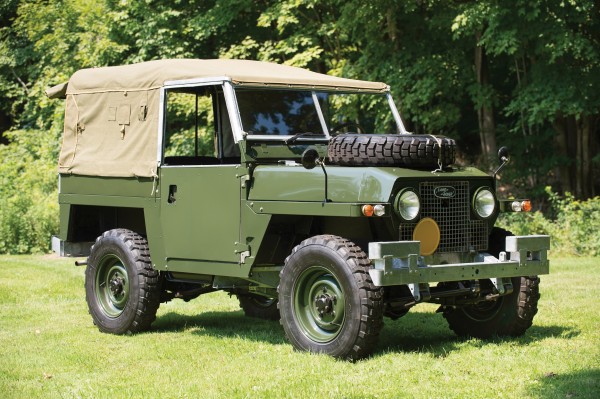
1969 Land Rover Series IIA “Air-Portable”
Always designed with strength, mechanical simplicity and durability in mind, Land Rovers have often been the vehicles of choice for individuals looking to take a trip on the road less traveled. Over its 65-year history, the company built up a well-respected name by manufacturing the finest off-road vehicles money could buy for both individual and…
-
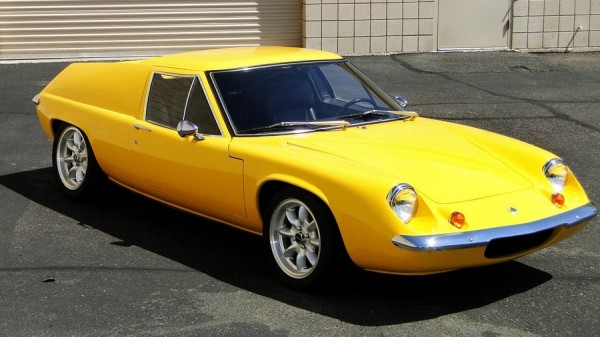
1970 Lotus Europa S2
This 1970 Lotus Europa S2 has a 1,565-cc 4-cylinder engine with 4-speed manual transmission, new chrome bumpers, tires and Panasport wheels. Runs and drives very nicely. The beautiful hand-laid fiberglass body was treated to recent refinish in Lotus Yellow. Upgrades include tuned exhaust, wheels and tires. One of 1,529 cars built for the 1970 model…
-
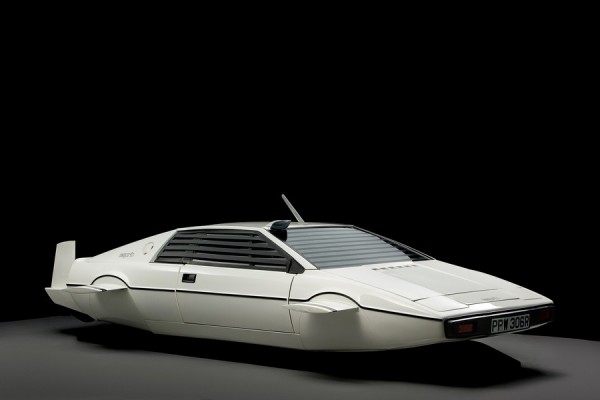
007 Lotus Esprit Submarine Car
The 007 Lotus Esprit Submarine Car from “The Spy Who Loved Me” (1977) commonly tops the polls when multiple generations of movie fans are asked to pick their favorite film cars of all time. Like all the best Bond cars, the Lotus was a veritable war chest of weaponry and gadgetry that was designed to…
-
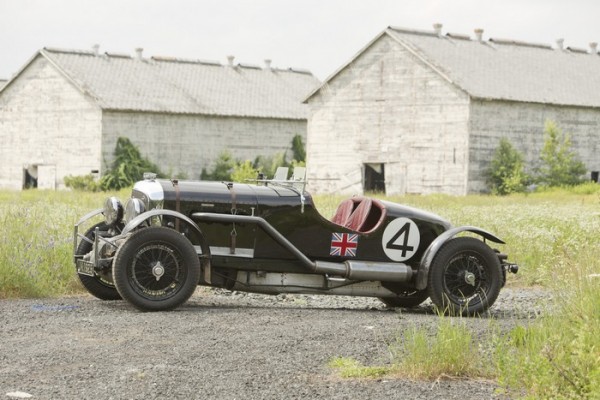
1931 Bentley 4½ Litre Supercharged Le Mans
The “Blower” Bentley is one of the most masculine, muscular and sporting motorcars ever built. While some companies hid their superchargers behind the radiator grille, the Bentley wears it right out front, and that statement alone says it all about the car and its creators. First shown at the 1929 London Motor Show, it was…
-
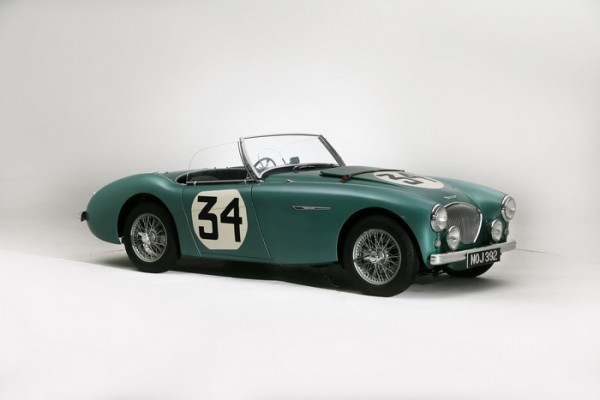
1953 Austin-Healey 100 Special Test Car
This remarkably well-documented ex-Mille Miglia, ex-Le Mans 24-Hour race Austin-Healey Works car began life as one of the Donald Healey Motor Company’s pre-production competition vehicles — properly referred to as the Special Test Cars — destined for use in International motor races and world-class distance and speed-record attempts. Of the four Special Test Cars built…
-
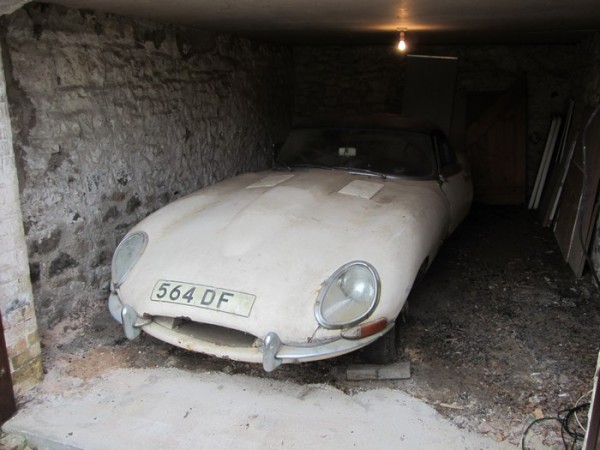
1961 Jaguar E-Type Barn Find
Introduced in 3.8-liter form in 1961, the Jaguar E-type caused a sensation when it appeared, with instantly classic lines and a 150-mph top speed. Its design owed much to that of the racing D-type: a monocoque tub forming the main structure, while a tubular space frame extended forward to support the engine. The latter was…
-
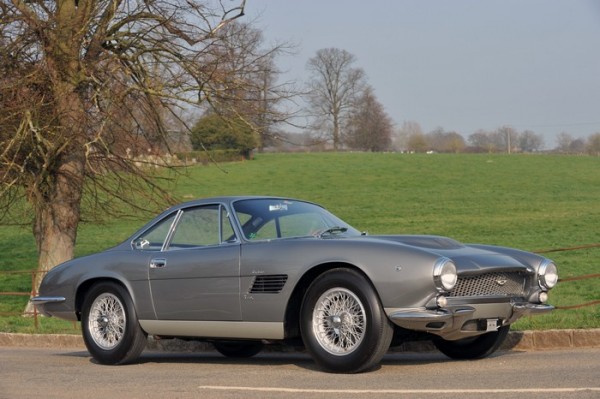
1960 Aston Martin DB4GT “Jet” coupe
Coachbuilt examples of the DB4/5/6 family of Aston Martins are extremely rare, making the unique Bertone-bodied car offered here all the more precious and desirable. Chassis 0201L is the last DB4GT chassis completed in period and was first displayed on Bertone’s stand at the 1961 Geneva Motor Show, followed by an appearance at Turin that…
-

1960 Austin-Healey Bugeye Sprite
Restored Bugeye finished in British Racing Green with new black interior and new black top. Mechanical upgrades include a fresh rebuilt 1,275-cc motor, disc brakes, aluminum flywheel, aluminum radiator, dual SU carburetors, free-flow exhaust, alternator, high torque starter and spin-on oil filter.