
Buy What You Love, Pay What You Should
English
-

1958 AC Aceca Bristol
1958 Aceca Bristol chassis BEX678 The Aceca Bristol offered here has its original Bristol engine, the number of which matches the car’s original firewall tag. According to the consignor, John Moir, the car’s original owner was Peter Winston, the son of renowned New York City jeweler Harry Winston. Young Mr. Winston used the car as…
-
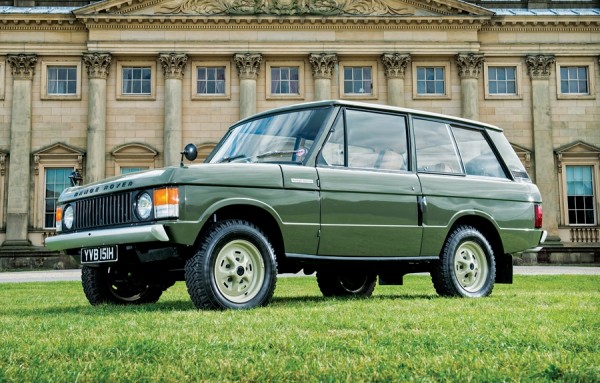
1970 Land Rover Range Rover
The original Spen King-designed Range Rover was one of the British motor industry’s proudest success stories. When it went out of production at the end of 1996, it still looked as fresh and forward-thinking as it did back in 1970, when one was chosen for an exhibit in the Louvre as an example of modern…
-
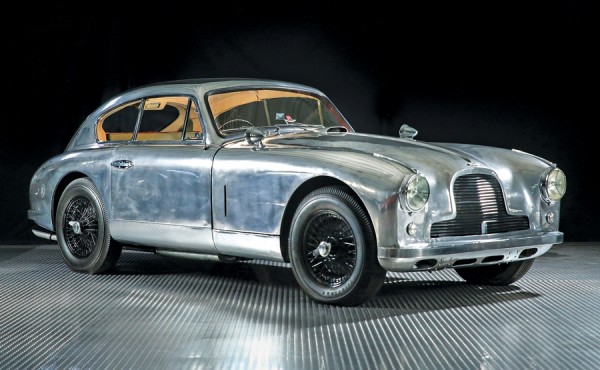
1954 Aston Martin DB2/4 Coupe
The BMIHT Certificate states that this DB2/4 was completed on February 2, 1954, and it was originally sold to a Scottish customer. While its early history is unknown, its build sheet documents an early factory engine replacement. According to Anthony Forshaw, it is believed that its current engine is that period replacement unit. Aston Service…
-
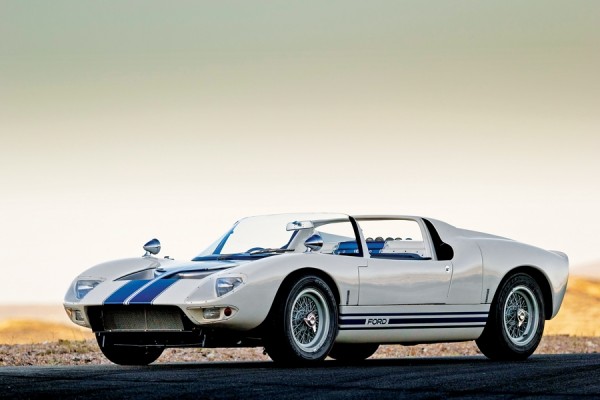
1965 Ford GT40 Roadster Prototype
Chassis number GT108 is one of just six open-top GT40 roadsters constructed, reflecting Ford’s experimentation with the open configuration to test for market appeal and salability. Built for Shelby American as a test and development vehicle, it was driven by Ken Miles, Lew Spencer, Carroll Shelby, Jim Clark and others. Documented by GT40 historian Ronnie…
-
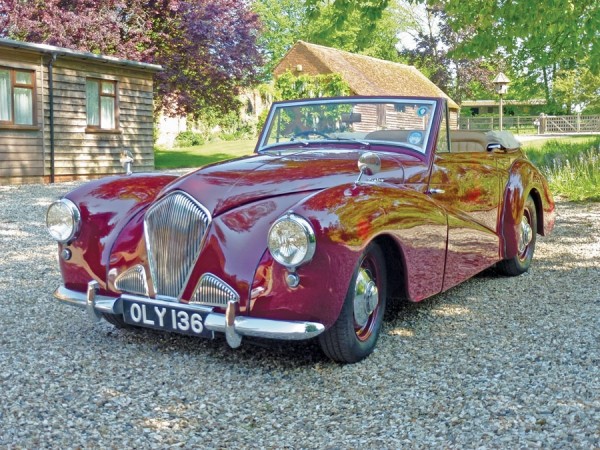
1954 Healey Abbott Drophead Coupe
One of just 91 examples produced with coachwork by Abbott of Farnham during a four-year production run, OLY136 was first registered on March 25, 1954. In the current ownership since 2007, the car was entrusted to marque specialists Classic Restorations Ltd. in 2009 to carry out soda blasting of the body and a bare-metal respray,…
-
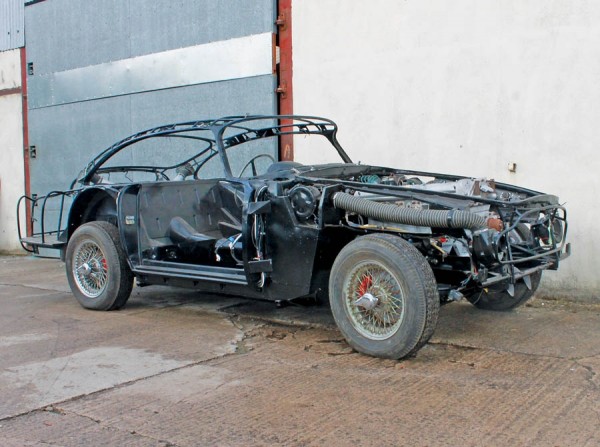
1964 Aston Martin DB5 Sports Saloon Project
Undoubtedly one of the “must-have” cars as well as James Bond’s iconic vehicle, the DB5 continues to generate immense interest among car collectors, owners and users. Understandably so, as the total production of all DB5s over a two-year period was only a little over 1,000 cars. Born of the frustration that Harold Beach had encountered…
-
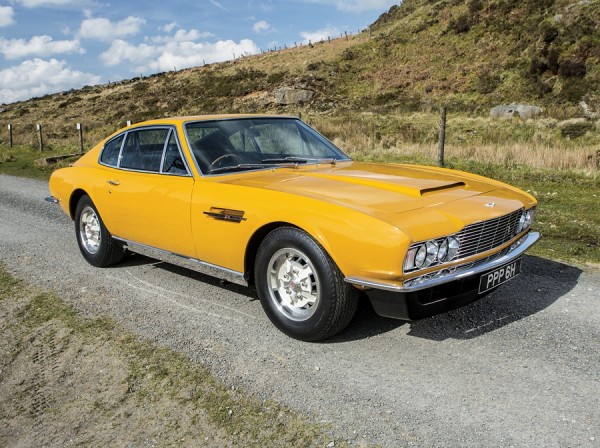
1970 Aston Martin DBS Sports Saloon
This famous Aston Martin DBS was manufactured in the spring of 1970, complete with special modifications for its role in the British television series “The Persuaders!” in which star Roger Moore drove it in almost all of the 24 one-hour episodes. Moore had expressed an interest in the Aston Martin, which he felt would be…
-
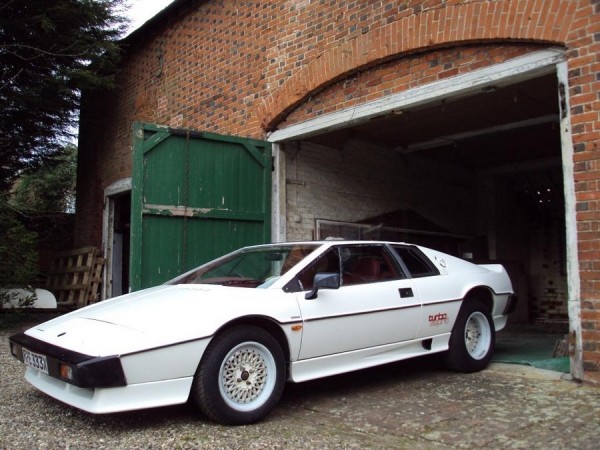
1981 Lotus Esprit Turbo
The Lotus Esprit was built between 1976 and 2004, and a future release is forthcoming in 2014. The silver Italdesign concept that eventually became the Esprit was unveiled at the Turin Motor Show in 1972, and it was a development of a stretched Lotus Europa chassis. It was among the first of designer Giorgetto Giugiaro’s…
-
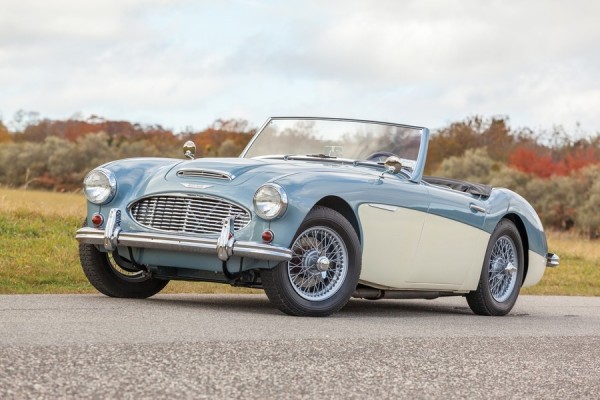
1959 Austin-Healey 3000 Mk I BN7
Following the debut of the original 4-cylinder Austin-Healey 100 in 1952, and the subsequent change to the 6-cylinder 100-6 in 1956, the British Motor Corporation in 1959 launched the car that would become the defining model of the range: the 3000. As it had a 3-liter engine that could produce 124 horsepower, it was the…
-
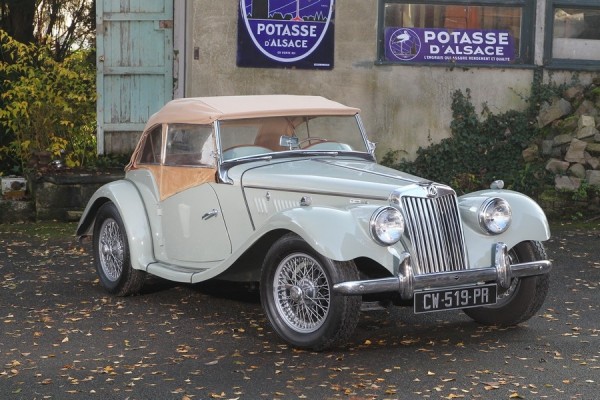
1955 MG TF 1500 Roadster
As popular now among enthusiasts of traditional British sports cars as it was in its heyday, the TF was mechanically little different from the outgoing TD II. The TF kept its predecessor’s body center section, while featuring a changed front end with shortened, sloping, radiator grille and headlamps faired into the wings — plus an…