
Buy What You Love, Pay What You Should
German
-
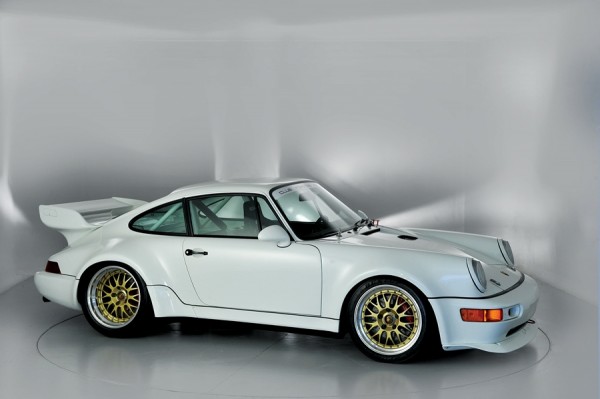
1993 Porsche 911 Type 964 Carrera RSR 3.8-Liter Competition Coupe
Built for privateers to go international GT racing, the phenomenally successful RSR was one of the final developments of the Porsche 911 Type 964, which on its launch in 1989 had represented a major step forward in the development of Porsche’s long-running sports car. Two versions were offered — the Carrera 4 and Carrera 2…
-
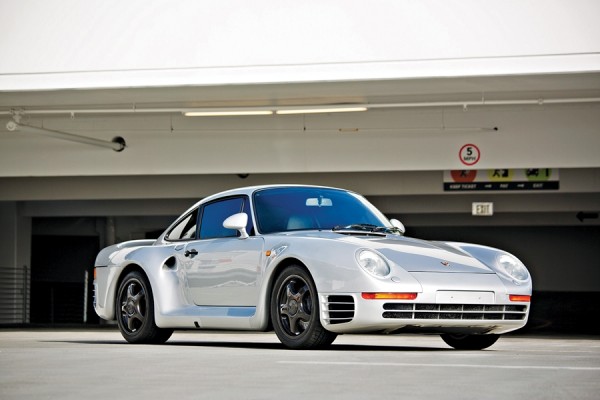
1988 Porsche 959 Komfort Coupe
Following the 953’s decisive win at the grueling Paris-Dakar Rally in 1984, Porsche’s chief engineer Helmuth Bott declared his ambition to build a “Super Porsche” — a turbocharged 911 variant with all-wheel drive and variable ride height. Over the next three years, Porsche developed a groundbreaking sports car to comply with the FIA’s Group B…
-
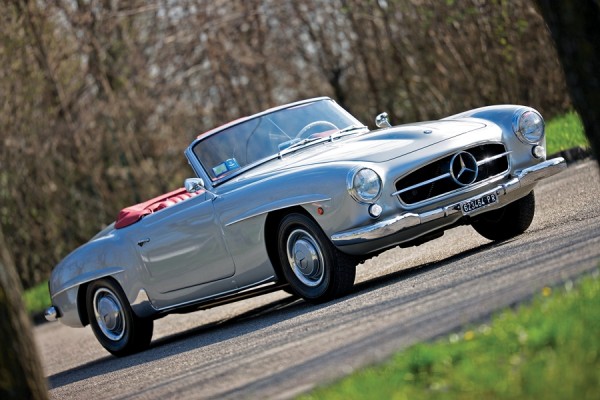
Two Mercedes-Benz 190SL Cars, One Price Gap
Production of the Mercedes-Benz 190SL Roadster can be credited to New York importer Max Hoffman, who foresaw that the competition success of the 300SL Gullwing would translate into something that he could easily sell in America. The 190SL was first displayed as a show car at New York in 1954. This high-quality, two-seat roadster was…
-

1974 BMW 2002 Turbo Coupe
The 2002 Turbo upped the game again. Engine designer Alex von Falkenhausen eschewed the option of a larger engine shoehorned into the lightweight 2002 and instead developed the successful Group Five turbocharging idea for a fast road car. By using a KKK turbo coupled to the tii Kugelfischer fuel injection, he created a 170-hp engine…
-

1983 Porsche 930 Turbo 935 Spec. Coupe
A prolific collector of fine automobiles, Mansour Ojjeh was ideally placed to secure for himself from Porsche a specially modified version of the German manufacturer’s ultimate road car: the fearsome 911 Turbo. Group 4 homologation rules, which required 400 road cars to be built, had spurred the development of Project 930 — the original 911…
-

2001 BMW Z8 Roadster
The Z8 is BMW’s spiritual successor to the 1950s 507 roadster. Both have a long hood with short deck design, which creates a powerful and sporty appearance. This limited-production roadster with optional hard top is equipped with a 4.9-liter DOHC V8 as used in the M5, mated to a proper 6-speed manual gearbox and producing…
-
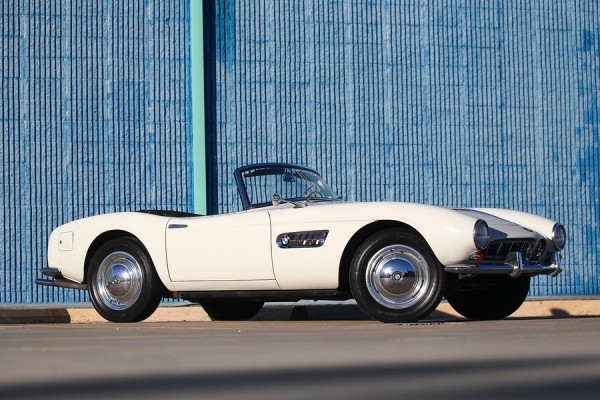
Two BMW 507 Sales at Amelia Island
BMW 507 Chassis 70134 (Gooding & Co.) Constructed in late 1957, it is believed that this 507 was sold new to the United States through Hoffman Motors of New York. According to the research of marque experts, just 34 examples of BMW’s 507 were officially exported new to the U.S. Over the years, the 507…
-
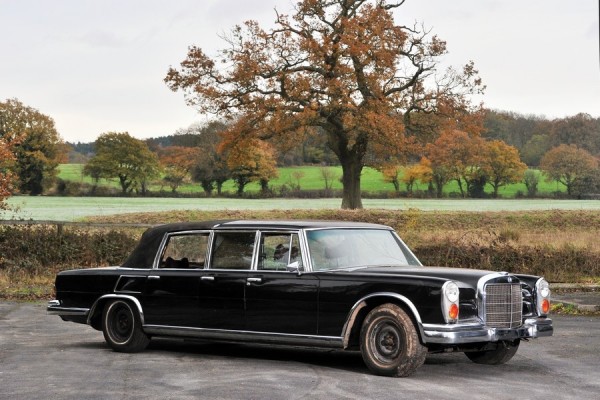
1971 Mercedes-Benz 600 6-door Pullman Landaulet
This Mercedes-Benz 600 is powered by the distinctive M100 6,332-cc overhead-valve V8 engine developed specifically for the Grand 600s. The engine produces 245 horsepower. The car is equipped with a 4-speed automatic transmission; double-wishbone air-spring independent front suspension; swing-axle rear suspension with air springs; and four-wheel, power-assisted hydraulic disc brakes. The car is built on…
-
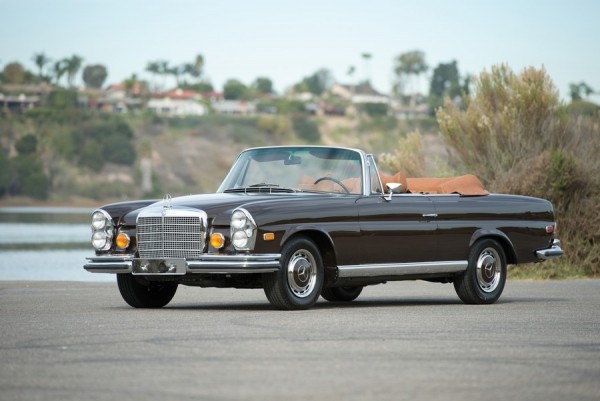
1971 Mercedes-Benz 280SE 3.5 Cabriolet
In 1959, Mercedes broke with tradition by introducing the angular “Heckflosse,” or “Finback,” sedan on the W-111/W-112 chassis — itself revolutionary in having the first-ever crumple zones and roll-over integrity to protect the occupants from injury in the event of collisions — to replace the bulbous “ponton” built on the W-128 chassis. Two years later,…
-
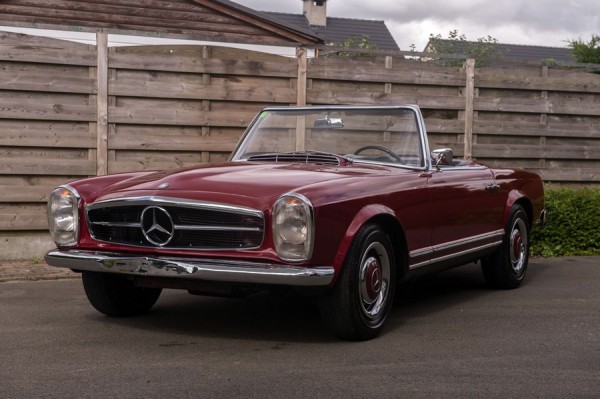
1965 Mercedes-Benz 230SL
Introduced at the Geneva Salon in March 1963 as replacement for the 190SL, the 230SL is a landmark model that founded a sports-car dynasty that would prove an enormous commercial success for Mercedes-Benz. Soon christened by the public the “Pagoda” after the distinctive shape of the removable hard top that evoked the roof of a…