
Profiles
-
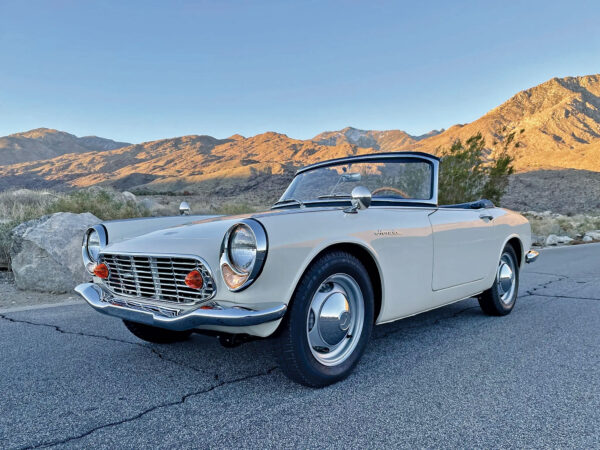
1965 Honda S600 Convertible
This 1965 Honda S600 convertible is said to have been bought new from a Honda dealer in Toronto, Canada, by Pennsylvania-based Honda motorcycle dealers Ron and Mary Krause, who would later go on to become one of Honda’s first U.S. automobile dealers in 1972. The car changed hands several times in Pennsylvania before it was…
-
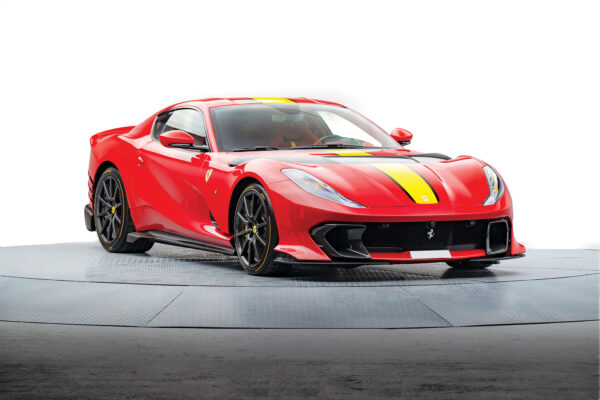
2022 Ferrari 812 Competizione
Few Ferraris of the modern era have generated excitement comparable to the furore surrounding the 812 Superfast — intended to replace the F12berlinetta — as it was revealed at the 2017 Geneva International Motor Show. The 812 Superfast arrived amid great fanfare as Ferrari’s 2-seat, front-engined, rear-wheel-drive flagship model, and the fitment of a 6.5-liter 789-horsepower V12…
-

1977 Porsche 911 Turbo
Offered here is a first-generation 3.0-liter (non-intercooled) model supplied new to the U.S. Imported in 2020, it remained unregistered until January 1, 2022. With the car is a Certificate of Authenticity confirming matching engine and transmission numbers. The 911 is finished in the original color scheme of Sand Beige with brown leather interior, its body…
-
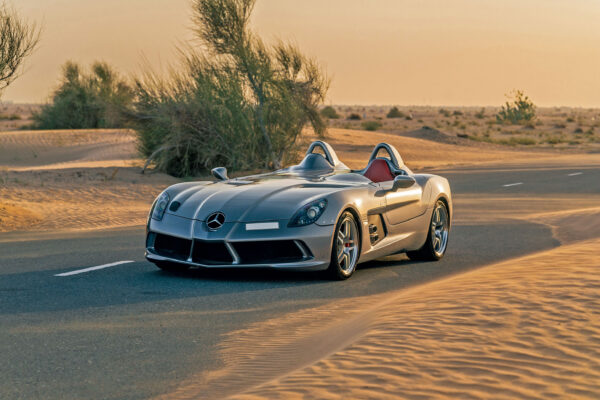
2009 Mercedes-Benz SLR McLaren Stirling Moss
The Mercedes-Benz SLR McLaren Stirling Moss was unveiled at the 2009 North American International Auto Show, a lightweight speedster variant of the SLR as potent in performance as it is arresting in appearance. Just 75 examples were built, offered exclusively to existing SLR owners as a modern homage to the exquisite 300 SLR that Stirling…
-
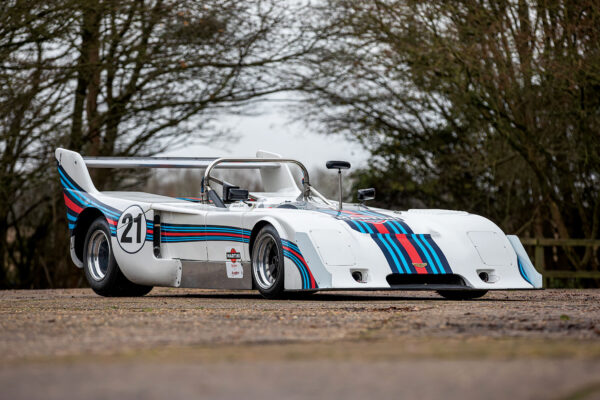
1975 Chevron B31
Derek Bennett, a shy, intuitive engineer and vastly underrated driver, was once dubbed Britain’s Enzo Ferrari. Yet his most stunning, world-beating Chevron cars emerged from the gloom of a lofty old brick-built Lancashire cotton mill in Bolton’s Old Chorley Road. Debuted in 1969, the B16 sports racer — arguably the prettiest sports coupé ever to…
-
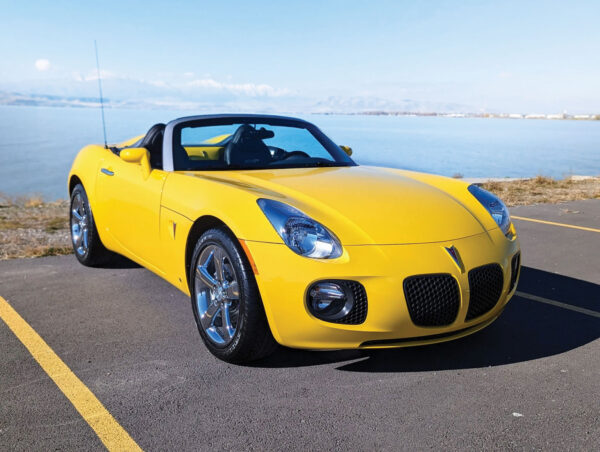
Summer of Solstice
In 2005, Pontiac brought forth what would be its last sporty car. The 2006 Solstice was an attractive — even rakish — convertible 2-seater with excellent balance and handling. The Pontiac’s introduction was followed up later in 2006 with a badge-engineered döppelganger called the Saturn Sky and Europeans got the same model as a revived…
-
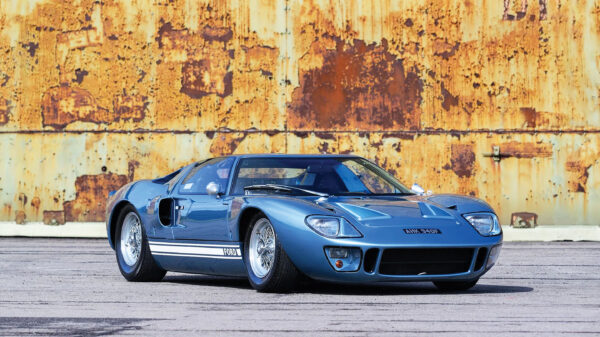
1967 Ford GT40
The early history of this roadgoing GT40 is particularly fascinating, outlined in extensive detail by marque specialist Ronnie Spain, whose report remains on file for this car and is available for review by interested potential bidders. It begins on February 16, 1967, one week before its scheduled delivery date, and its assignment by Ford to…
-
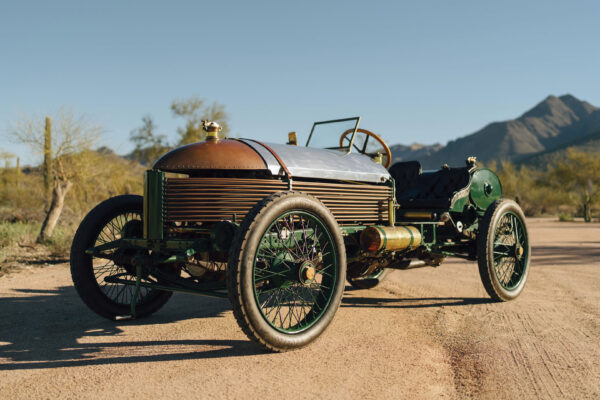
1904 Napier L48 “Samson”
This “Edwardian Giant” is offered from the collection of its fifth owner in 120 years, Australian businessman Peter Briggs. The discovery of this engine in the 1950s, fit to a complete body in the 1980s, heralded the definitive rebirth into the motoring world of the L48 and its singular legacy. Any new owner must keep…
-
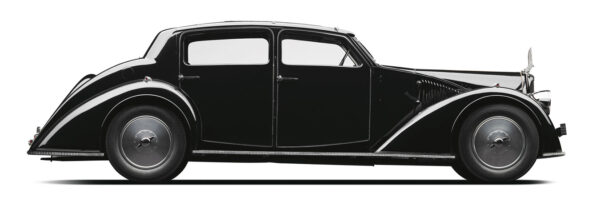
1935 Voisin C28 Clairière Berline
Among French automakers of the Art Deco era, Avions Voisin was unique. With a background in architecture, industrial design, engineering, and a successful career in aviation, Gabriel Voisin reached the height of his automotive career in the 1930s. Each Voisin automobile was designed as a whole in response to the number of passengers and their…
-
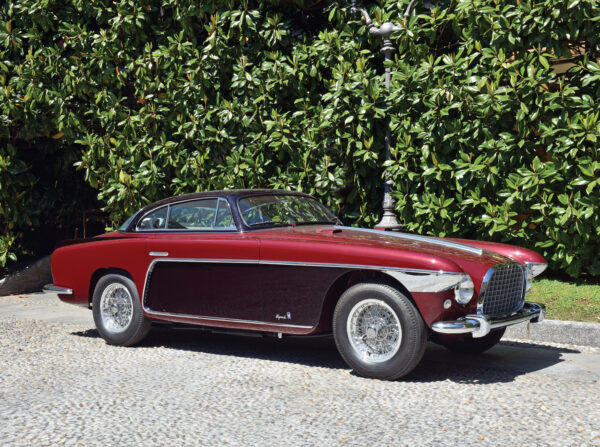
1953 Ferrari 250 Europa
From its 1947 inception, Ferrari overwhelmingly relied on a Gioacchino Colombo-designed V12 that was successively developed from its original 1.5-liter displacement to 1.9-, 2.3-, 2.6- and 2.7-liter configurations. In early 1952, the engine was further enlarged with a single-cylinder volume approaching 250 cubic centimeters, and the resulting 2,953-cubic-centimeter engine became the first edition of the…