
Buy What You Love, Pay What You Should
Race
-
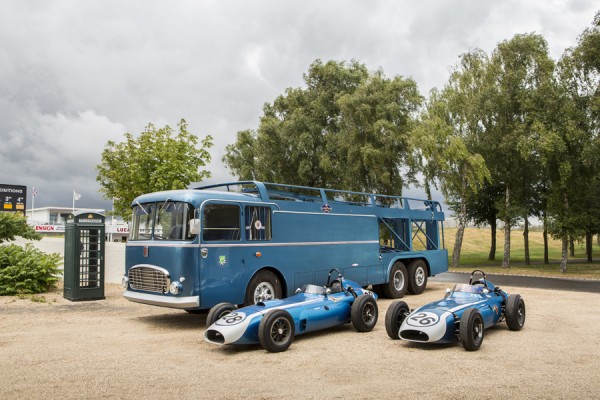
1956 Fiat-Bartoletti Tipo 306 Race Car Transporter
This is the Maserati factory team’s transporter of its World Championship-winning Fangio 250F season of 1957 — and which would also have taken Fangio’s Piccolo 250F (Chassis 2533) to the last race of his glittering career at Reims in 1958. It was subsequently acquired by Lance Reventlow for his Team America Scarab assault upon the…
-
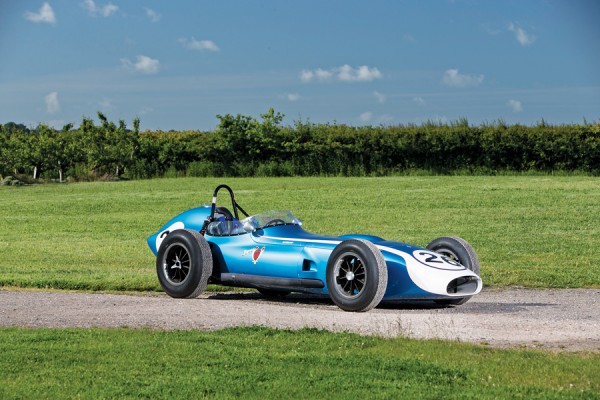
1960 Scarab-Offenhauser Formula One Racing Single-Seater
In recent years, front-engine Formula One car competition at historic and vintage level has seen the full flowering of a fabulous and brave American motor racing project that has been recalled with great pride and nostalgic pleasure by generations of road-racing enthusiasts. Where front-running success in such historic races had for long years been the…
-
1963 Lotus Super Seven Series 2 1500 Cosworth
The Lotus Seven is a small, simple, lightweight two-seater open-top sports car produced by Lotus Cars (initially called Lotus Engineering) between 1957 and 1972. It was designed by Lotus founder Colin Chapman, and has been considered the embodiment of the Lotus philosophy of performance through low weight and simplicity. The original model was highly successful,…
-
1982 Porsche 956
The history of 956003, and the Porsche 956 program at large, can be tracked back to 1981. That year, the FIA began to roll out regulations for its new Group C category for sports car racing, designed to replace both Group 5 (closed touring prototypes like the 935) and Group 6 (open sports car prototypes…
-
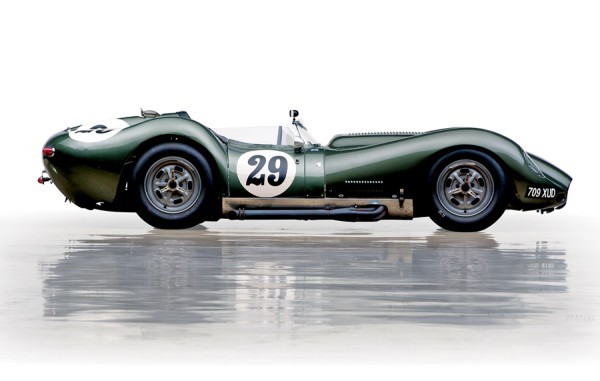
1959 Lister-Chevrolet
Numerous privateer racing drivers got it in their mind to build their own car in the 1950s, with each experiencing varying degrees of luck on the track. Brian Lister had the money and the engineering know-how, so his first racing car, which was built in the mid-1950s with the able assistance of Don Moore and…
-
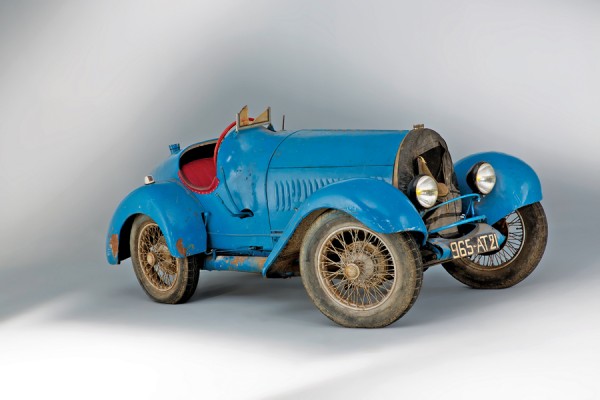
1925 Bugatti Type 13 Brescia
The first 16-valve Bugatti cars were built from 1920 to 1923. Among these cars, a few rare racing models stand out. The Bugatti sales ledgers provide us with information on approximately 22 twin-magneto Type 13s, and seven single-magneto cars in 1923. In 1924, only 19 Type 13 twin-magneto models were built, and 40 or so…
-
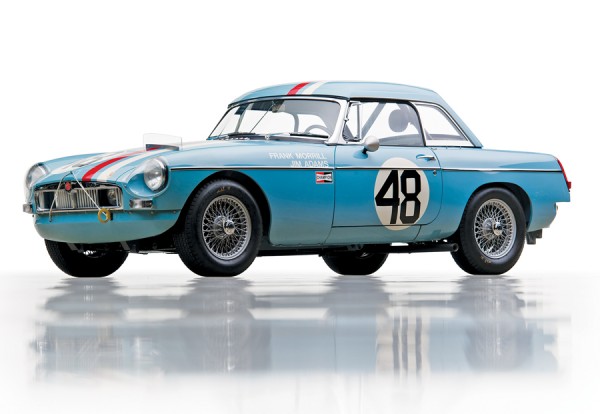
1962 MGB Sebring Lightweight
As they faced a relative failure at Sebring in 1963, MG was hoping that 1964 would bring a change in fortune for the proud marque. By this time, the MGB had been on sale for over a year, and MG was hoping to add to the car’s image with some success at international racing events.…
-
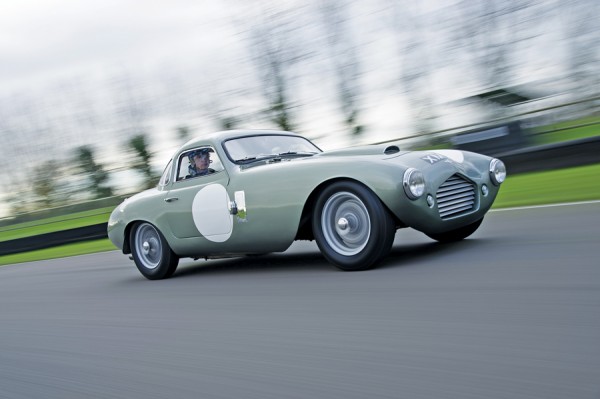
1955 Frazer Nash Le Mans Coupe
Introduced in 1953, complementing the company’s successful open sports cars, the Le Mans coupe was the first closed Frazer Nash to enter production. It used the new parallel-tube-chassis frame, around which was wrapped a beautiful, full-width alloy body that, with its curvaceous lines and horizontal front grille, hinted at the forthcoming Sebring roadster. The chassis…
-
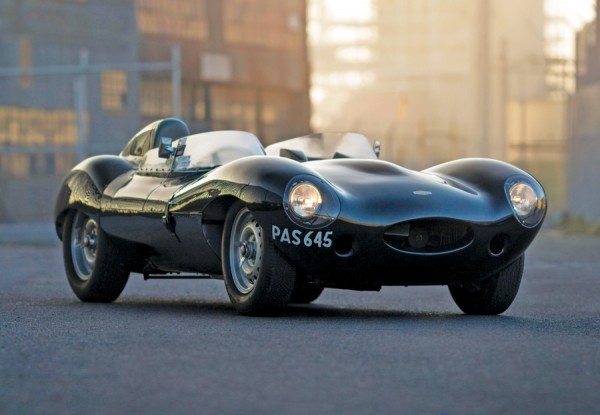
1955 Jaguar D-Type
When the Jaguar D-type debuted at the 1954 24 Hours of Le Mans, it finished a narrow 2nd to a 4.9-liter Ferrari V12. A year later, a D-type with a long-nosed factory body and a revised motor won the race outright. Although Jaguar retired from racing after the 1956 season, the D-type continued to flourish…
-
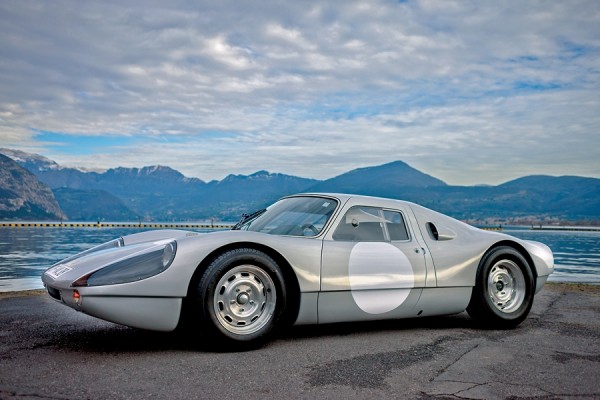
1964 Porsche 904 Carrera GTS
The Type 904, born of Porsche’s disappointing foray into Formula One in the early 1960s, was produced to bring the company back to its racing sports car roots. In 1962, the immensely talented Ferdinand A. “Butzi” Porsche was tasked with designing a new two-seat competition coupe that could also be driven on the street by…