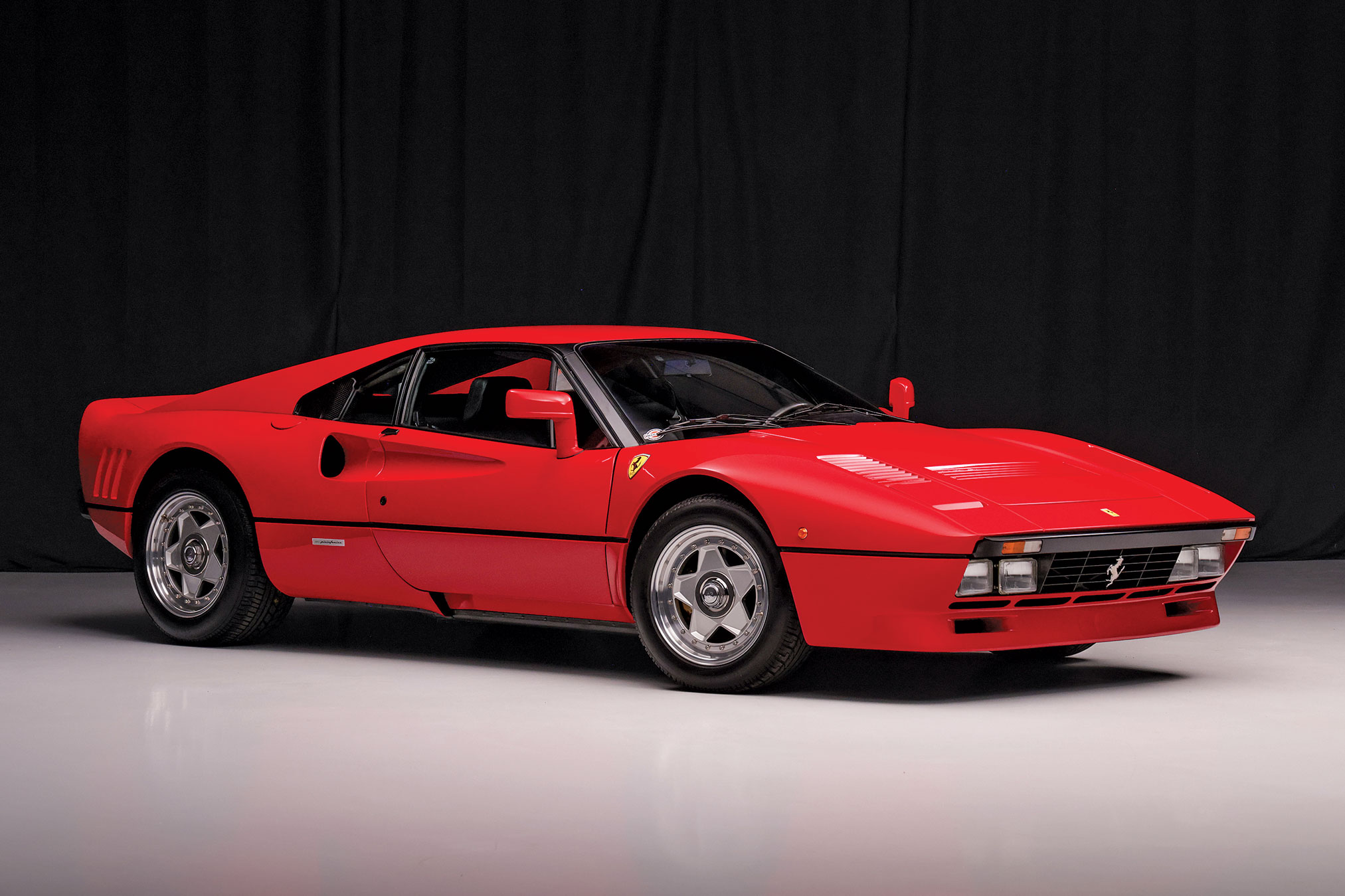
This car, Lot 250000, sold for $6,832,500, including buyer’s premium, on Bring a Trailer’s online auction on July 7, 2026.
When I was actively buying and selling cars, I wouldn’t have considered purchasing one without seeing it. It didn’t matter if it was 2,000 miles across the country or just across town. I knew if I didn’t like the car, I couldn’t sell it to someone else. When eBay came on the scene and people started bidding on cars remotely, I wondered who would do that. Even more outrageous, I thought nobody would buy a car without even talking to the owner. Boy, was I wrong.
From blog to billions
Bring a Trailer started out as a blog created by friends who discussed interesting cars seen in classified ads. In 2014, the blog started hosting auctions. The site ran a modest three auctions a week and pushed a newsletter that covered the activity. There’s no telling how many hours of productivity were lost to BaT each morning. Today, BaT is owned by a major media house. It hosts 1,000 listings a week and claims to have 750,000 registered bidders. The majority of BaT cars go to buyers who have never seen the car in person. The online platform has revolutionized the car-buying process, with over $1.7 billion in total sales last year.
On July 7, BaT posted its 250,000th auction. It was a milestone in the industry it dominates. It needed a special car to celebrate the occasion and found it in a 1984 Ferrari 288 GTO — officially just called “GTO” — offered by BaT power-seller 1600veloce. The GTO sold for $6,832,500 to become the most expensive car ever auctioned on the site.
The statistics on the sale were pretty wild. Some 7,446 people watched the auction, checking in 339,329 times to see the latest bids and leaving 980 comments. Most comments praised the looks and performance of the GTO. Many people described where and when they first saw one. Few addressed the elephant in the room: The car had been a world traveler, passing through multiple owners. It had been color-changed and returned to its original color. It had a rebuilt engine and had spent about seven years in lockup after being seized from a Dutch offshore pharmaceutical merchant.
The fast life
I first crossed paths with this GTO back in 1985 at a Ferrari Club of America Meet. It had been painted silver by its owner, Sam Bardor, a Mexican businessman who divided time between Mexico and Houston. At the time, only a handful of GTOs had crossed the pond, and just seeing one was special. The audacity of color-changing the most special of special Ferraris was unsettling then, and still unsettling today.
Bardor caught the Ferrari bug and bought several over a short period of time. He attended events and raced in the Ferrari Challenge. Having a thing for silver, most, if not all, of his cars were painted that color. His wife was also a character, rumored to have previously been a bullfighter along with chasing and passing her husband on track in her own GTO, also painted silver. For a time in the Ferrari world, the Bardors were the talk of the town.
Origin story
If you have a copy of SCM in your hands, I don’t need to fill you in on the car itself. It’s the first of Ferrari’s modern supercars, originally designed for FIA Groupe B racing, but never saw competition due to the demise of the series. Today it is known for being the most difficult of the Ferrari supercars to acquire due to its low production. The “big five” include the GTO, F40, F50, Enzo, LaFerrari, and now the F80 adds a sixth. Of course, if you’re collecting supercars, you have to have the Speciales and Iconas too, but today, let’s stick to the supercars.
Ferrari supercars have never been cheap, but over the past couple of years they have exploded in value. Brand new, the GTO was around $70,000. Transportation, taxes, duties and legalization put the landed number nearer to $100k. Most dealers only got one to sell and they knew it was special. If the dealer didn’t keep the GTO themselves, they were well compensated by the lucky buyer. A $50k additional dealer markup (ADM) over sticker was common. The ADM stickers were initially annoying but became a minor inconvenience to clients used to being treated to minimal discounts, a free radio or floor mats. GTOs were selling for $1,000,000 not long after. The dealer’s best clients were more upset about not getting a GTO than how much they had to pay for one. GTO buyers won the lottery, but few recognized the ride was just starting. Ferrari had invented a money machine, and it was not shutting it off.
Fair today, a bargain tomorrow?
Few buyers who got GTOs sold them to get the next supercar, the F40. More often, the GTO formed the base of a Ferrari collection the owner never intended to have. Meanwhile, wealthy enthusiasts who missed out on first-round allocations trolled the market for any supercar owners willing to alienate their dealer and lose future VIP allocations in return for a king’s ransom.
This dance has continued for over 40 years, and the original participants aren’t getting younger. Mick Jagger was 41 years old when he got his GTO. He’s 83 now — hardly prime supercar demographics.
As the owners have aged, collecting has matured. Few homes have garage space for a supercar collection, and few owners have interest in regularly driving them. It is now common for owners to rent space at specialized storage facilities where their collector cars are seldom visited or driven, all to maintain delivery condition.
With only 272 built, the GTO has the lowest production of the big five Ferrari supercars, limiting the number of complete collections to maybe 250 or so, with some GTO attrition. Not long ago, a complete collection of these Ferraris could be assembled for the cost of an individual example today. This time last year, a big-five collection might have cost $22m–$25m. This year, that number is more like $43m. The BaT GTO may look cheap by year’s end.