
Buy What You Love, Pay What You Should
Hub Pages
-
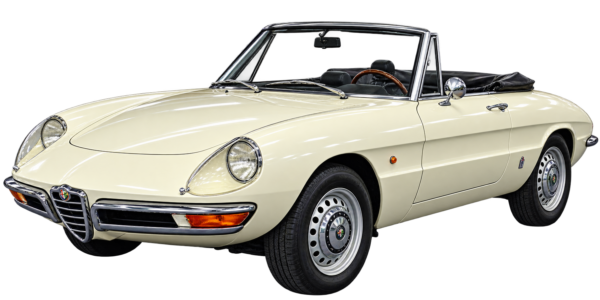
Alfa Romeo Spider
The Alfa Romeo Spider is one of the longest-lived and most recognizable Italian sports cars, combining elegant Pininfarina styling, a sophisticated twin-cam four-cylinder engine, five-speed transmission and remarkably durable basic chassis architecture. Introduced in 1966 as the replacement for the Giulietta/Giulia Spider, the rear-wheel-drive 105/115-series Spider remained in production for nearly three decades. During that…
-
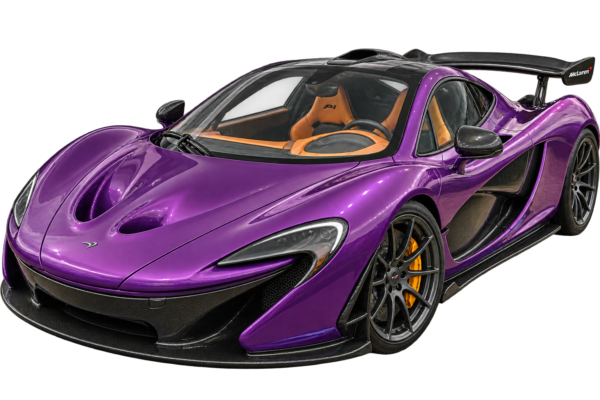
McLaren P1
The McLaren P1 was one of the defining hypercars of the 2010s and one of the first production automobiles to demonstrate that hybrid technology could enhance performance rather than simply improve fuel economy. Introduced publicly in 2012 and produced from 2013 through 2015, the P1 combined a 3.8-liter twin-turbocharged V8 with an electric motor for…
-
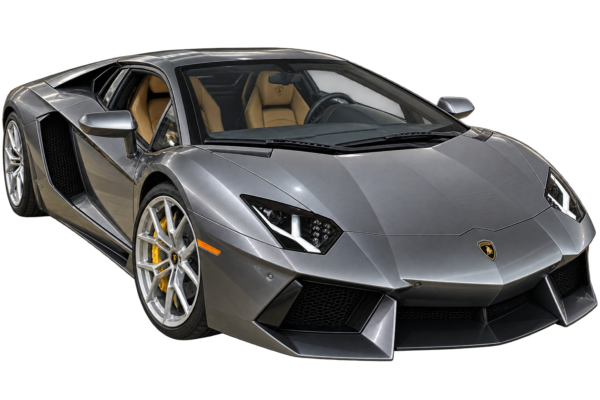
Lamborghini Aventador
The Lamborghini Aventador represents a new chapter in a lineage of naturally aspirated V12 flagship Lamborghinis stretching back to the Miura. Every V12 Lamborghini from the 350 GT (1964), Miura, Countach, Diablo, all the way through the Murciélago used an evolved version of the original Bizzarrini V12 designed by Giotto Bizzarrini in the early 1960s.…
-
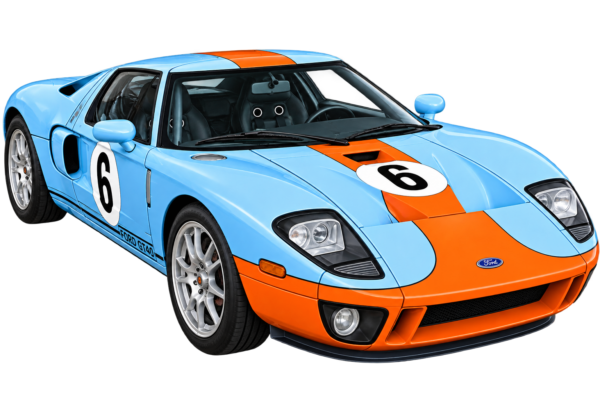
Ford GT
The Ford GT is unusual among modern supercars because its identity is inseparable from one of the most important American racing programs of the 1960s. Both generations of the road-going Ford GT were inspired by the original Ford GT40, which defeated Ferrari at the 24 Hours of Le Mans and won the race four consecutive…
-
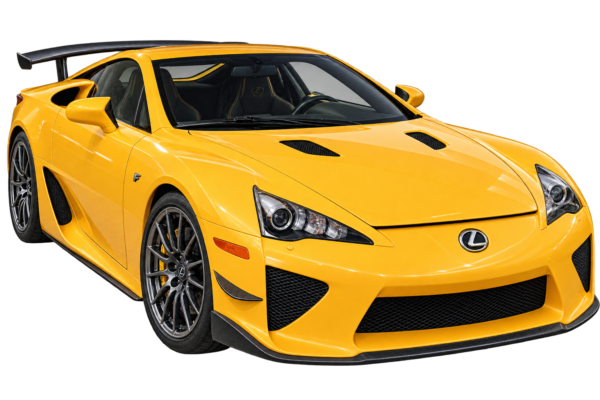
Lexus LFA
The Lexus LFA is one of the most unusual supercars of the modern era, not because it introduced a revolutionary drivetrain concept or chased an outright top-speed record, but because Toyota and Lexus spent nearly a decade developing an extraordinarily specialized automobile with little apparent concern for whether the project made conventional financial sense. Produced…
-
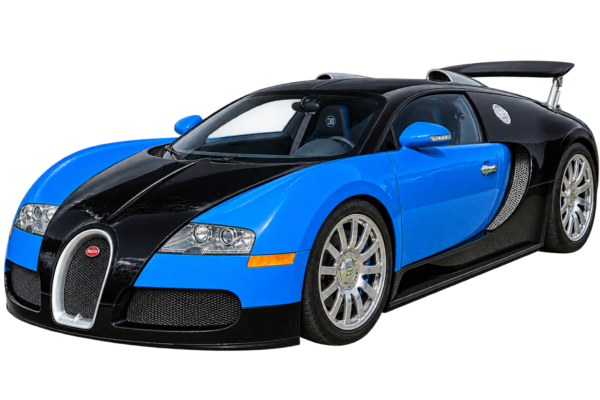
Bugatti Veyron
The Bugatti Veyron was one of the most ambitious production cars ever created. Conceived under Volkswagen Group ownership as a technological demonstration without meaningful cost constraints, it combined an 8.0-liter quad-turbocharged W16 engine, permanent all-wheel drive, a seven-speed dual-clutch transmission, active aerodynamics and an elaborate cooling system into a road car capable of more than…
-
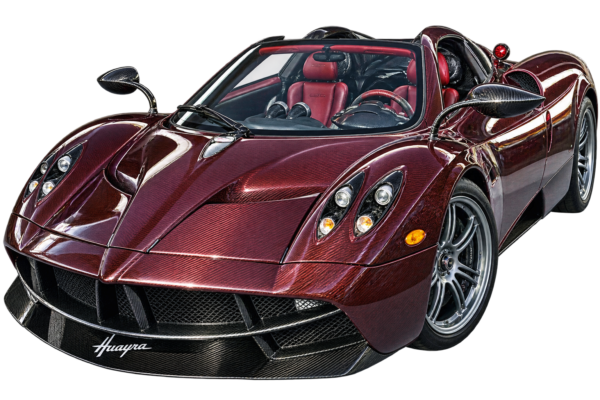
Pagani Huayra
The Pagani Huayra is one of the most technically ambitious and intricately constructed supercars of the modern era. Introduced as the successor to the Pagani Zonda, the Huayra combined a bespoke twin-turbocharged Mercedes-AMG V12 with an advanced composite monocoque, active aerodynamics and the extraordinary attention to mechanical detail that had already become a Pagani trademark.…
-
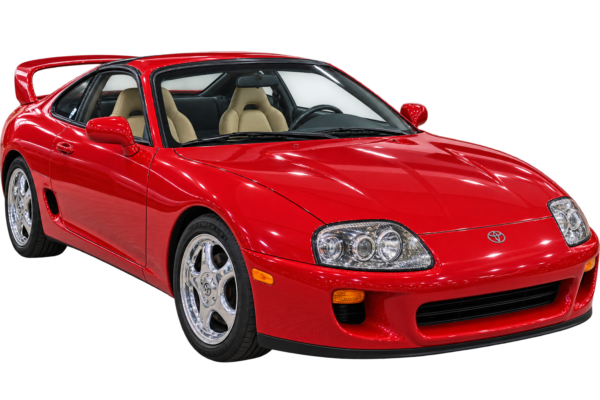
Toyota Supra
The Toyota Supra evolved from a stretched, six-cylinder version of the Celica into one of the most recognizable Japanese performance cars ever produced. Across five generations, the Supra has moved through several distinct identities: personal luxury coupe, sophisticated grand tourer, turbocharged technological flagship, tuner icon and, most recently, a compact two-seat sports car developed in…
-
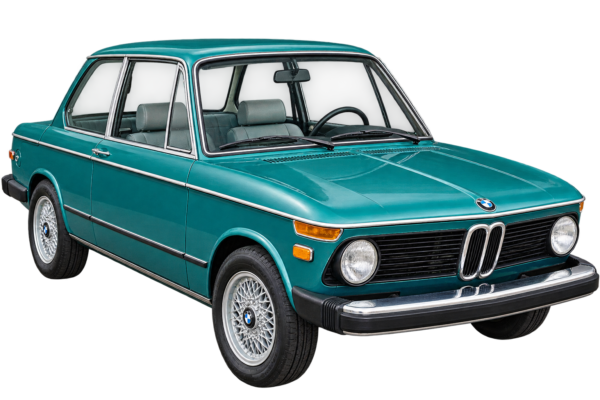
BMW 2002
The BMW 2002 is one of the cars most responsible for establishing the modern identity of BMW. Compact, relatively light, practical and powered by a responsive four-cylinder engine, the 2002 combined the usefulness of a small sedan with the handling and performance of a sports car. Introduced in 1968 as part of BMW’s Neue Klasse-derived…
-
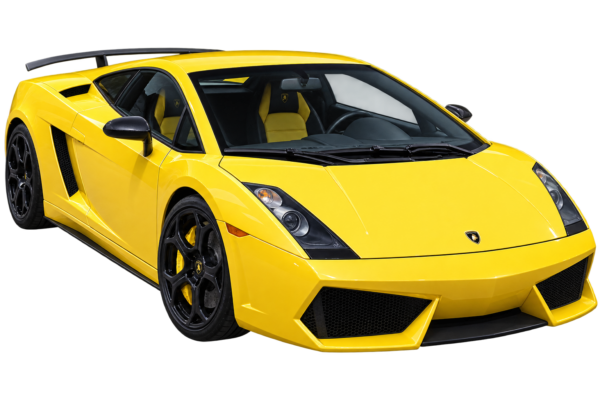
Lamborghini Gallardo
The Lamborghini Gallardo (pronunciation: lam·br·gee·nee gai·aar·dow) transformed Lamborghini from a tiny manufacturer of temperamental, low-volume exotics into a company capable of producing sports cars in meaningful numbers without sacrificing the drama that defined the brand. Introduced for the 2004 model year (deliveries officially began in late 2003 in Europe as a 2003/2004 model, arriving in North…