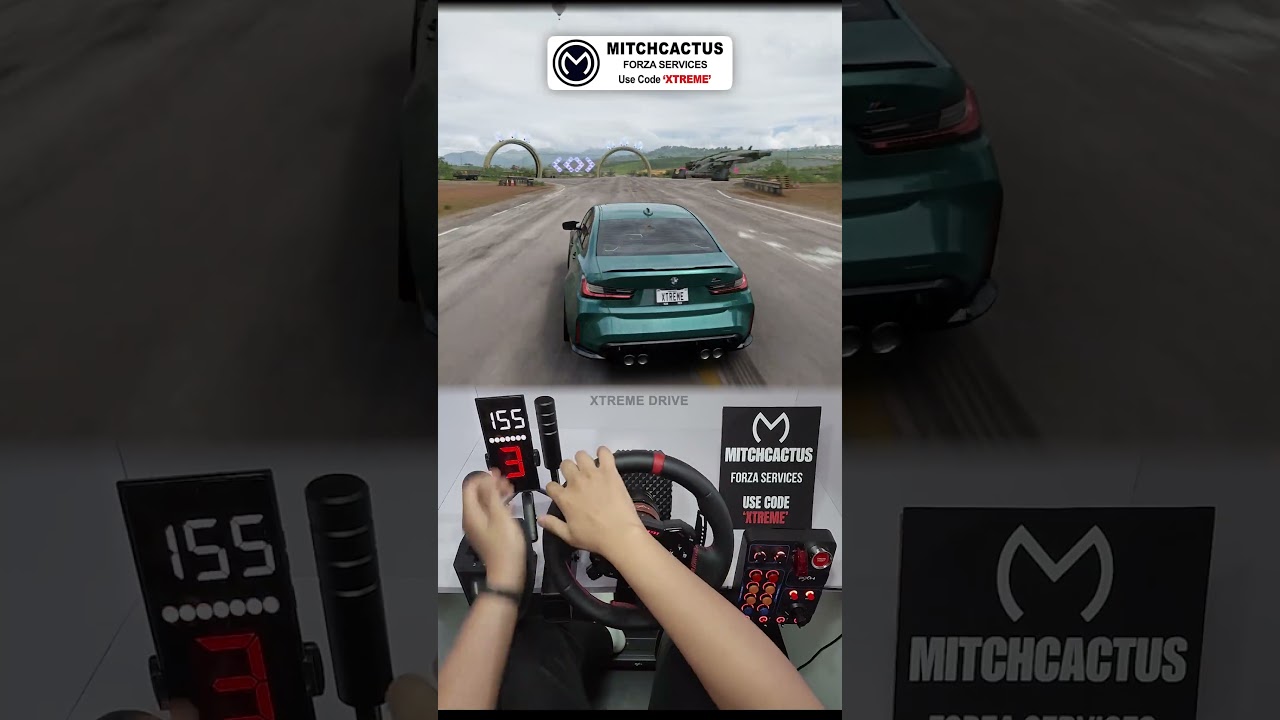
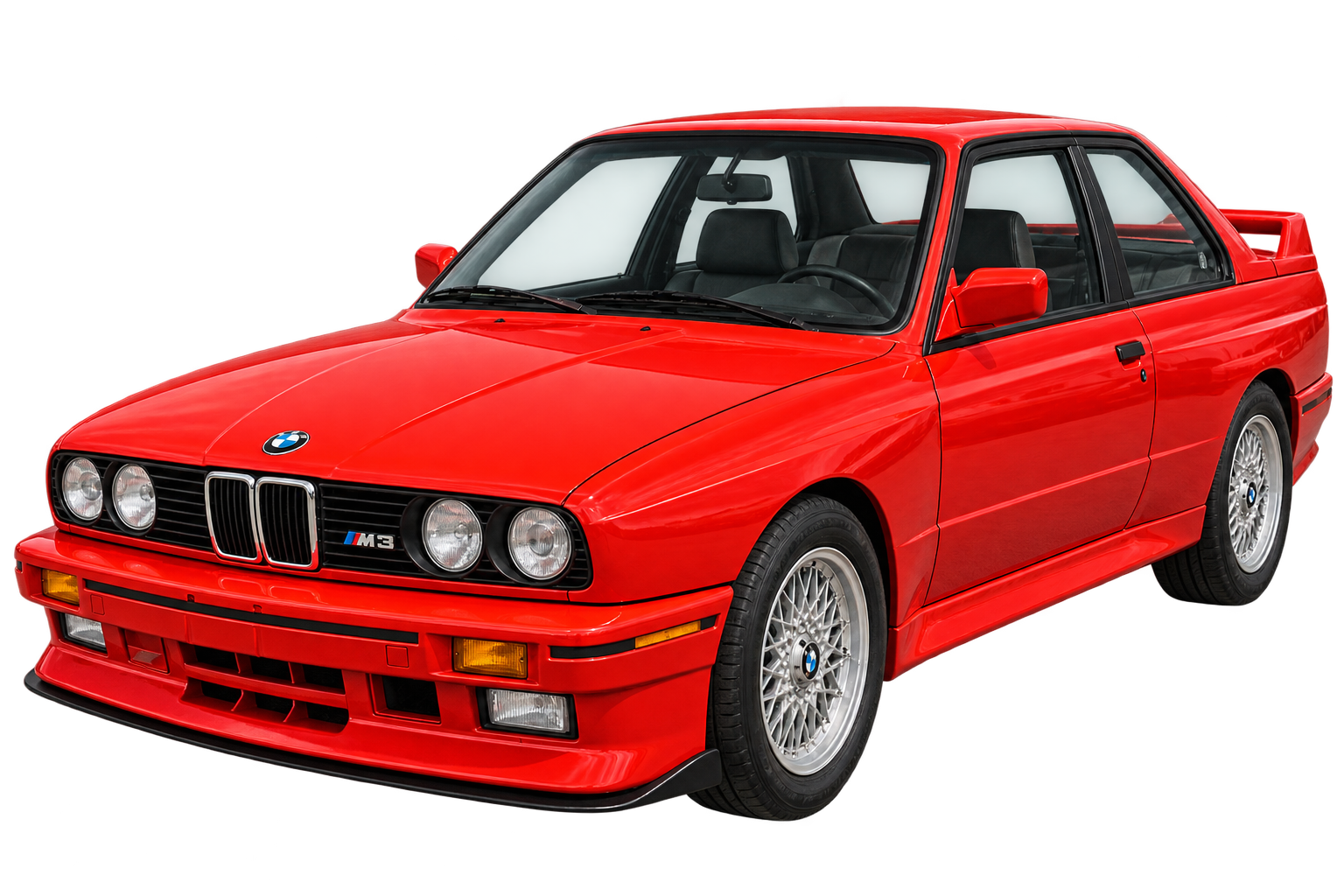
The BMW M3 began as a homologation special and evolved into one of the most influential high-performance cars ever produced. Introduced in 1986, the original E30 M3 was built so BMW could compete more effectively in touring-car racing. Its widened body, revised suspension, high-revving four-cylinder engine and aerodynamic changes made it fundamentally different from an ordinary 3 Series.
Later generations moved progressively farther from the original homologation formula. The E36 adopted a six-cylinder engine and a more conventional body structure. The E46 refined that naturally aspirated straight-six concept. The E90/E92/E93 generation introduced a high-revving V8. The F80 returned to six cylinders but added twin turbochargers, while the G80/G81 generation combined turbocharging with substantially greater chassis sophistication and, for the first time, available all-wheel drive and a factory Touring body style.
For collectors and enthusiasts, the M3 is best understood generation by generation because the mechanical character changes dramatically. The most important distinctions involve engine type, naturally aspirated versus turbocharged induction, body style, suspension layout, transmission, drivetrain and homologation-oriented special editions.
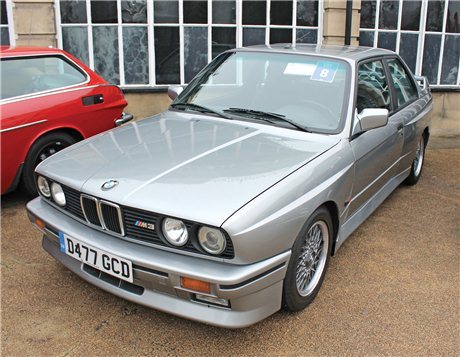
1987 BMW M3 coupe, from an auction on February 26th, 2013
1986: The E30 M3
The original E30 M3 was developed primarily for Group A touring-car homologation. Although based on the E30 3 Series, it shared relatively few exterior body panels with an ordinary 3 Series coupe. The fenders were widened substantially to accommodate a broader track and larger wheels. The rear window angle was changed, the C-pillars were reshaped, and the trunk lid was raised to improve airflow over the rear spoiler.
These were not cosmetic modifications. BMW Motorsport reworked the body specifically for aerodynamics and competition.
The E30 M3 used the S14 four-cylinder engine, essentially combining the basic block architecture of BMW’s M10 four-cylinder with a cylinder head influenced by the M88/S38 six-cylinder family. Initial displacement was 2,302 cc. European versions produced approximately 195 horsepower, while catalytic-converter-equipped versions produced somewhat less. The S14 was naturally aspirated, used individual throttle bodies and was designed to operate at high engine speeds.
E30 Suspension Changes
The E30 M3’s suspension was substantially revised from the ordinary E30. At the front, BMW retained a MacPherson-strut layout but altered geometry, hubs and steering components. The rear used BMW’s semi-trailing-arm independent suspension, again with significant M-specific changes. Track width increased. Springs and dampers were firmer, anti-roll bars were revised, and larger brakes were fitted.
The steering ratio was quicker than that of most regular E30s. These changes produced a chassis much more responsive to racing development than the standard car.
1987–88: E30 Evolution
BMW continuously developed the M3 for competition homologation. The Evolution models incorporated mechanical and aerodynamic improvements. Depending upon version, these included revised cylinder heads, lighter components, additional cooling, altered spoilers and other detail changes.
The basic 2.3-liter S14 remained, but output gradually increased. Because Group A rules required production-car changes to homologate racing developments, the road cars directly benefited from BMW’s competition program.
1988: M3 Convertible
BMW introduced an E30 M3 Convertible, creating the first open-body M3. The Cabriolet retained the S14 engine but added considerable weight because of structural reinforcement. It was considerably rarer than the coupe. From a pure handling perspective, the coupe remained the more rigid and competition-oriented configuration. The Convertible, however, became an important precedent for later M3 generations, where open-body versions became increasingly common.
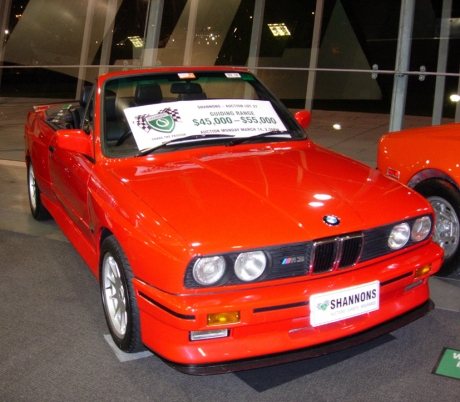
1990 BMW M3 Evo 2 convertible, from an auction on March 14th, 2005
1989–90: Evolution II and Sport Evolution
The E30 M3 reached its ultimate form with the Sport Evolution, often called Evo III. Engine displacement increased to approximately 2.5 liters, or 2,467 cc. Power rose to roughly 238 horsepower. The engine used a larger bore and stroke, revised intake components, higher compression and numerous internal changes.
The Sport Evolution also received significant body and chassis revisions. The front splitter and rear wing were adjustable. Brake ducts and cooling openings were enlarged. Weight reduction was used extensively. Larger wheels and revised suspension tuning further improved handling.
The Sport Evolution is one of the most collectible M3 variants because it represents the most developed road-going version of the original homologation car.
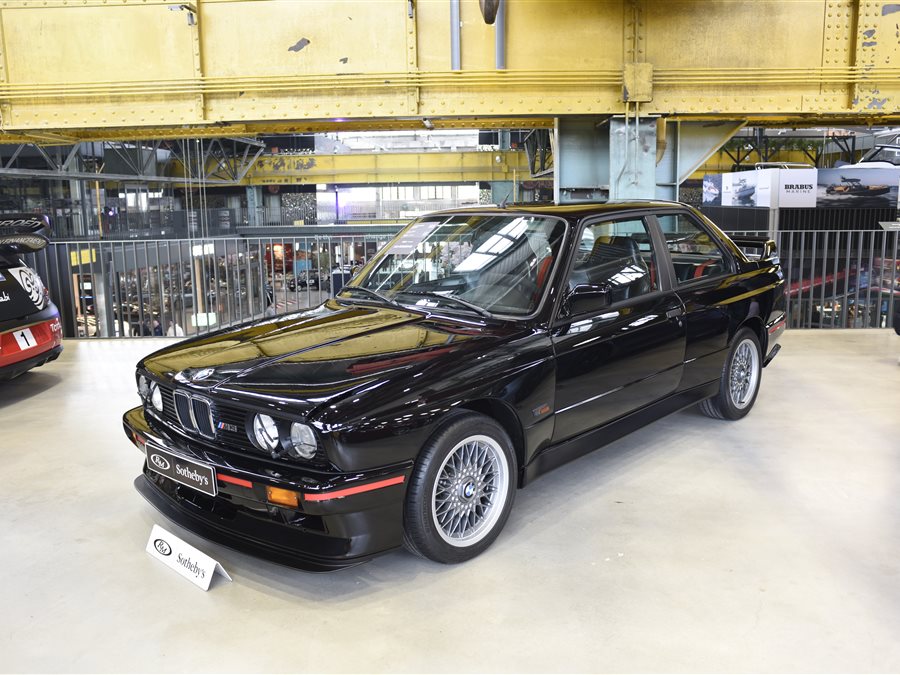
1992 BMW M3 Sport Evolution 2-dr sedan, from an auction in Munich on November 25th, 2023
1992: The E36 M3
The second-generation E36 M3 represented a major philosophical change. Instead of being a narrowly focused homologation special, it became a high-performance version of BMW’s mainstream 3 Series. The body was much closer to the standard E36 coupe. There were no extreme boxed fender flares or major roofline alterations.
Visually, the M3 was identified by deeper bumpers, side skirts, mirrors, wheels and aerodynamic trim. Mechanically, the biggest change was the engine. BMW abandoned the four-cylinder S14 and adopted a straight-six.
1992–95: S50B30
European E36 M3s initially used the S50B30, a 2,990-cc DOHC straight six. It produced approximately 286 horsepower. The engine used individual throttle bodies and sophisticated engine management and was substantially more powerful and smoother than the E30’s four-cylinder.
The E36 also changed the suspension philosophy. The front retained MacPherson struts, but the rear adopted BMW’s more sophisticated multi-link Z-axle, replacing the semi-trailing-arm layout of the E30. This greatly improved camber control and stability.
U.S.-Market E36 M3
The U.S. received a mechanically different E36 M3. Instead of the highly specialized European S50, American cars used the S50B30US, based more closely on BMW’s regular M50 engine family. Output was approximately 240 horsepower. The U.S. engine used a single throttle body rather than the European engine’s individual throttles. This made the American E36 M3 less exotic mechanically but also simpler and less expensive to maintain.
The suspension remained M-specific, though U.S. chassis tuning differed slightly from European specification.
1995: E36 Sedan
BMW introduced an M3 Sedan during the E36 generation. This was a major change to the M3 concept. The original E30 had been fundamentally a racing-oriented two-door car, but the E36 demonstrated that M3 performance could be combined with a practical four-door body. Mechanically, the sedan was very similar to the coupe. Its existence foreshadowed the later F80 generation, when the M3 name would become sedan-only while coupes adopted the M4 designation.
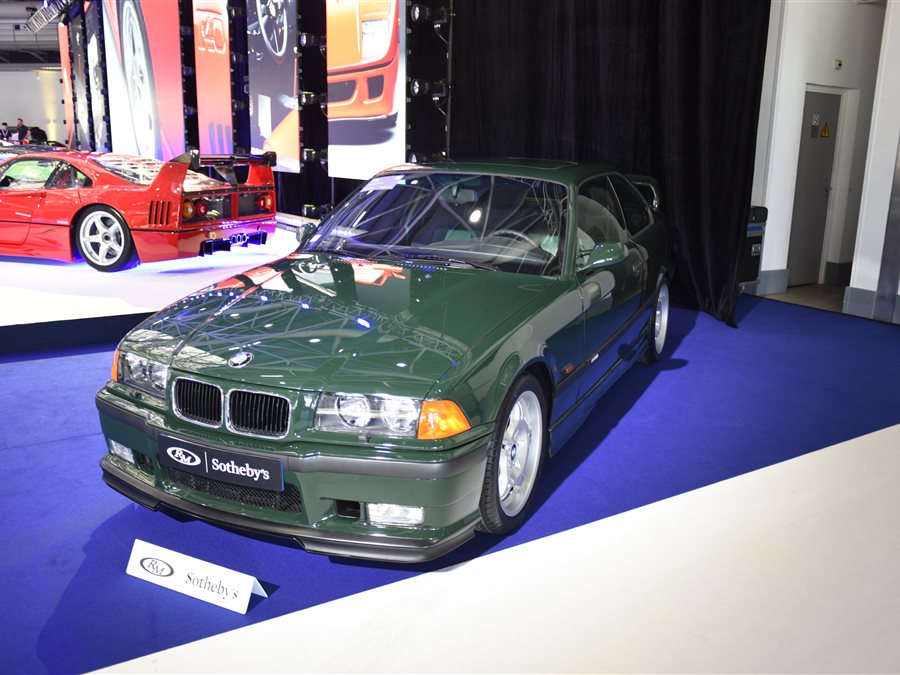
1995 BMW M3 GT coupe, S50B30 engine, from an auction in Monaco on April 25th, 2026
1996: 3.2-Liter E36 M3
European M3s received the S50B32 engine. Displacement increased to 3,201 cc. Power rose to approximately 321 horsepower. The engine introduced double VANOS, BMW’s variable camshaft-timing system acting on both intake and exhaust camshafts. This broadened the torque curve while maintaining strong high-rpm power.
European cars also gained a six-speed manual transmission. The suspension was revised, and braking performance improved.
1996: U.S. S52
U.S.-market E36 M3s also increased displacement to 3.2 liters, but the American engine remained very different. The S52B32 produced approximately 240 horsepower, essentially unchanged from the earlier U.S. output figure. Torque improved significantly. The S52 used a single throttle body and simpler valve-timing architecture than the European S50B32.
For collectors, this European-versus-U.S. mechanical difference is one of the most important distinctions in E36 M3 history.
2001: The E46 M3
The E46 M3 restored some of the visual aggression missing from the E36. The body received wider front and rear fenders, unique bumpers, a domed aluminum hood and distinctive side vents. Unlike the E30, however, it remained clearly related to the standard E46 coupe. The engine was the S54B32, a 3,246-cc naturally aspirated straight six. Output was approximately 333 horsepower in U.S. specification and about 343 PS in European trim.
E46 Engine Architecture
The S54 became one of BMW M’s most celebrated naturally aspirated engines. It used individual throttle bodies, high compression, double VANOS and an 8,000-rpm redline. The engine produced relatively modest low-rpm torque compared with later turbocharged M3s, but power increased dramatically as engine speed rose. This gave the E46 a very different character from modern turbocharged cars.
The standard transmission was a six-speed manual. BMW also offered the SMG II automated manual, which used the same basic gearbox with electrohydraulic clutch and shift actuation.
E46 Suspension
The E46 retained MacPherson struts in front and a multi-link rear suspension. BMW extensively revised bushings, springs, dampers, anti-roll bars and geometry. The rear subframe mounting structure became an important issue on these cars. Cracking around the rear-axle-carrier mounting points can occur, especially on hard-driven examples. For collectors and drivers, reinforcement and inspection of this area are important.
The E46 also used a variable-locking M differential, improving traction during acceleration.
2001: E46 Coupe and Convertible
The E46 M3 was produced primarily as a Coupe and Convertible. Unlike the E36, there was no regular-production E46 M3 sedan. The Convertible received structural reinforcement and was significantly heavier. The coupe remained the preferred configuration for track use and maximum chassis rigidity.
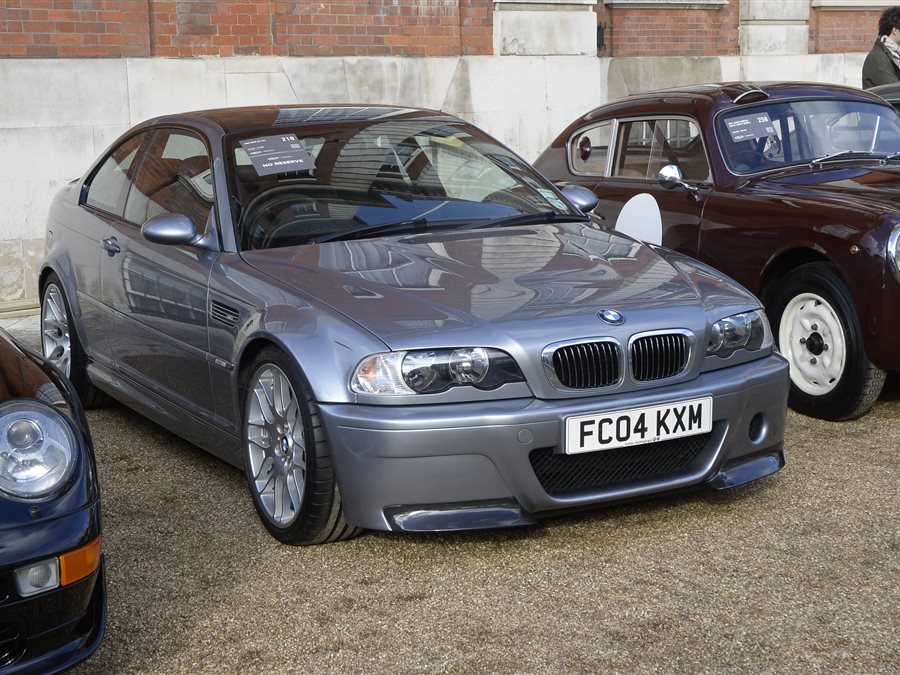
2003 BMW M3 CSL 2-dr sedan, from an auction in London on November 4th, 2023
2003: M3 CSL
The E46 M3 CSL represented the most extreme factory evolution of the generation. CSL stood for Coupe Sport Leichtbau, or Coupe Sport Lightweight. Weight reduction was extensive. BMW used a carbon-fiber roof, thinner glass, lightweight seats and reduced sound insulation.
The S54 engine was revised with a large carbon-fiber airbox and other changes. Output increased to approximately 360 horsepower. The intake sound of the CSL became one of its defining characteristics.
E46 CSL Suspension and Body
The CSL received revised springs, dampers and suspension geometry. Steering response was sharpened. Larger brakes and specially developed Michelin tires improved track performance. The carbon-fiber roof reduced weight at the highest point of the car, lowering the center of gravity.
Aerodynamic changes included a revised front bumper and integrated rear trunk spoiler.
The CSL was offered only with SMG II, not a conventional manual. Its rarity and highly focused specification make it one of the most valuable modern M3 variants.
2007: The E90/E92/E93 M3
The fourth-generation M3 marked another major mechanical departure. BMW abandoned the straight six and introduced the S65 V8. Displacement was 3,999 cc. The naturally aspirated engine produced approximately 414 horsepower in U.S. specification and could rev to approximately 8,400 rpm.
The S65 was closely related conceptually to the S85 V10 used in the contemporary M5 and M6.
E9x Body Styles
BMW split the generation across three body codes. The E90 M3 was the four-door sedan. The E92 M3 was the two-door coupe. The E93 M3 was the retractable-hardtop convertible.
This was the only M3 generation to combine sedan, coupe and convertible variants under the same M3 name. The coupe also used a carbon-fiber roof on many fixed-roof versions, reducing weight and center of gravity.
E9x Suspension
The E9x M3 used MacPherson-strut front suspension and a sophisticated multi-link rear. Many suspension components were aluminum to reduce unsprung mass. BMW widened the track and altered virtually every important suspension parameter relative to the standard 3 Series. Electronic Damper Control was available, allowing multiple damping settings. The differential was BMW’s variable M differential lock, capable of progressively controlling lockup based on traction conditions.
E9x Transmissions
Early cars were available with a six-speed manual. BMW later introduced a seven-speed M-DCT dual-clutch transmission. The DCT shifted dramatically faster than the old SMG system and could perform nearly seamless gear changes under acceleration. This represented an important shift toward electronically controlled high-performance transmissions.
2010: M3 GTS
The E92 M3 GTS was a track-focused limited-production model. Engine displacement increased from 4.0 liters to approximately 4.4 liters. Output rose to approximately 444 horsepower. The rear seats were removed, a roll cage was installed, and weight was reduced.
Suspension was adjustable and considerably more aggressive. Larger brakes and aerodynamic modifications further separated the GTS from the standard M3.
2011: M3 CRT
BMW applied similar lightweight philosophy to the four-door body with the M3 CRT. CRT stood for Carbon Racing Technology. The car used lightweight carbon components and the enlarged 4.4-liter V8. It was built in extremely small numbers. Because it combined sedan practicality with GTS-related mechanical hardware, the CRT is one of the rarest M3 derivatives.
2014: The F80 M3
The F80 M3 represented perhaps the biggest philosophical change since the E36. The M3 name was now used only for the four-door sedan. Two-door versions became the BMW M4. Mechanically, BMW returned to a straight-six engine but added turbocharging. The S55B30 displaced 2,979 cc and used twin turbochargers. Output was approximately 425 horsepower initially.
F80 Turbocharged Engine
The S55 fundamentally changed the M3’s power delivery. Earlier M3 engines had relied on high engine speed to produce power. The turbocharged S55 produced much greater torque at low and medium rpm. Approximately 406 lb-ft was available across a broad range.
This made the F80 dramatically faster in normal driving but less linear than the naturally aspirated E46 and E9x engines. The engine retained sophisticated VANOS control and direct fuel injection.
F80 Suspension and Structure
The F80 made extensive use of aluminum and carbon-fiber-reinforced plastic. A carbon-fiber roof was standard on many versions. A carbon-fiber driveshaft was used on early examples. The front suspension remained fundamentally strut-based but used extensive M-specific components. The rear multi-link suspension was heavily revised and mounted more rigidly to the body to improve response.
BMW also used substantial chassis bracing. The result was significantly greater stiffness than previous M3 sedans.
F80 Electric Power Steering
The F80 was the first M3 generation to use electric power steering instead of hydraulic assistance. This reduced parasitic losses and allowed variable steering calibration. Enthusiasts often debate the steering feel compared with older hydraulic systems, particularly the E46 and E9x. Nevertheless, steering precision was extremely high.
2016: Competition Package
The Competition Package increased output and revised the chassis. Power rose to approximately 444 horsepower. Springs, dampers and anti-roll bars were retuned. The Active M Differential and stability-control programming were revised. Larger wheels and other visual changes distinguished Competition cars.
The package became particularly desirable because it improved both traction and chassis balance.
2018: M3 CS
The F80 M3 CS represented the most focused regular factory evolution. Power increased to approximately 453 horsepower. Weight was reduced through carbon-fiber body panels and interior changes. Suspension calibration became more aggressive. The CS retained four-door practicality but moved closer to the track-oriented character of the M4 GTS.
2021: The G80 M3
The G80 M3 introduced a dramatically revised body and powertrain. The sedan adopted BMW’s large vertical kidney grille and substantially wider fenders. Unlike previous generations, the M3’s bodywork diverged much more visibly from the standard 3 Series. The engine was the S58, a 3.0-liter twin-turbocharged straight six derived from BMW’s modern modular engine architecture but heavily revised for M use.
G80 Engine
The S58 uses two mono-scroll turbochargers, direct injection and extensive charge-air cooling. Output varies by specification. The standard rear-wheel-drive manual-transmission M3 produces around 473 horsepower. The M3 Competition produces approximately 503 horsepower in initial specification. Torque is substantially greater than in any naturally aspirated predecessor.
G80 Transmissions
The standard M3 retained a six-speed manual transmission, preserving a direct link to earlier generations. The Competition model switched to an eight-speed torque-converter automatic rather than the dual-clutch transmission used by the F80. This change reflected the enormous torque capability of the S58 and the performance of modern automatic transmissions.
G80 Rear-Wheel Drive and xDrive
Initially, the G80 was rear-wheel drive. BMW then introduced M xDrive all-wheel drive on Competition models. The system is strongly rear-biased and can vary torque distribution electronically. Drivers can select a rear-wheel-drive mode when stability control is disabled.
This represented a historic change: for the first time, the production M3 could be purchased with all-wheel drive.
G80 Suspension
The G80 uses a highly developed double-joint spring-strut front axle and five-link rear suspension. BMW significantly increased chassis rigidity with underbody bracing, reinforced suspension mounting areas and additional structural connections. Adaptive electronically controlled dampers are widely used.
Track width is substantially greater than on the normal 3 Series. The resulting car is much larger and heavier than early M3s but also dramatically faster and more capable.
2023: The G81 M3 Touring
BMW finally introduced a factory M3 Touring with the G81 generation. Earlier generations had inspired prototypes and owner-built conversions, but no regular-production M3 wagon had previously reached customers. The G81 combines the S58 twin-turbo engine with the Touring wagon body. It uses the Competition-level powertrain and M xDrive. The wagon body adds cargo capacity and weight but retains the core suspension and drivetrain architecture of the G80.
The M3 Touring quickly became one of the most distinctive modern M cars.
G80/G81 Competition and CS
The Competition specification emphasizes greater power and automatic-transmission performance. The M3 CS pushes the platform further. Power increases through revised boost and engine management. Carbon-fiber components reduce weight. Suspension, brakes and differential calibration become more track-focused.
The CS continues the tradition established by earlier CSL, GTS and CS models of taking the standard M3 chassis and concentrating on weight, power and suspension response.
E30 Four-Cylinder Versus Later Engines
The E30’s S14 remains unique among M3 engines. It is the only production M3 powered by a four-cylinder engine. Its character is defined by relatively low torque and strong high-rpm response. Compared with later M3s, the E30 must be driven aggressively to access its performance. That characteristic suits its lightweight chassis particularly well.
E36 and E46 Straight Sixes
The E36 and E46 generations established the naturally aspirated straight six as the classic M3 engine configuration. European E36 engines became increasingly sophisticated, culminating in the 3.2-liter S50B32. The E46’s S54 refined that concept further. These engines rely on high compression, individual throttle bodies and engine speed rather than forced induction. The S54 in particular is known for combining strong midrange torque with exceptional high-rpm response.
E9x V8
The S65 V8 is mechanically unlike every other regular-production M3 engine. Its short stroke and lightweight rotating assembly allow exceptionally high engine speeds. Power increases progressively toward the redline rather than arriving through a large low-rpm torque surge. The V8 also changes the sound and weight distribution of the car. Although slightly heavier than the S54, extensive use of aluminum helped control front-end mass.
F80 and G80 Turbo Sixes
The S55 and S58 returned the M3 to straight-six architecture but fundamentally changed the driving experience through turbocharging. The S55 delivers a strong midrange torque surge. The later S58 is more refined and capable of sustaining much greater power.
Modern engine-management systems reduce lag substantially, but neither engine has the same linear throttle response as the naturally aspirated S54 or S65. In exchange, acceleration is dramatically stronger.
Suspension Evolution
The M3’s suspension development illustrates the broader evolution of performance-car engineering. The E30 uses relatively simple MacPherson struts and semi-trailing rear arms, heavily optimized for competition. The E36 introduces a multi-link rear suspension, greatly improving wheel control. The E46 refines that multi-link architecture while increasing track width and chassis rigidity. The E9x introduces more aluminum suspension components and available adaptive damping. The F80 increases structural rigidity substantially and adds electronically controlled differential and damper systems. The G80 combines sophisticated five-link rear suspension, extensive chassis bracing and adaptive damping with available all-wheel drive.
Each generation becomes heavier, but also much more capable of maintaining tire contact and controlling body movement.
Body Style Evolution
The M3’s body styles have changed almost as much as its engines. The E30 was primarily a two-door coupe, with a rare Convertible. The E36 added sedan and convertible versions. The E46 returned to Coupe and Convertible only. The E9x offered Sedan, Coupe and Convertible.
Beginning with the F80, BMW separated the names: the four-door retained the M3 designation, while the coupe and convertible became M4. The G81 M3 Touring finally added a production wagon. This means the modern M3 name now specifically represents the sedan and wagon branch, while the mechanically related M4 carries the two-door identity.
Understanding the Major BMW M3 Variants
Collectors and enthusiasts generally divide the M3 into these main categories:
E30 M3: Original homologation car with 2.3-liter S14 four-cylinder, widened body and heavily revised suspension.
E30 Evolution Models: Competition-driven development versions with increased power, aerodynamic changes and reduced weight.
E30 Sport Evolution: Ultimate factory E30 with 2.5-liter S14 producing approximately 238 horsepower.
E30 Convertible: Rare open-body version with additional structural reinforcement.
E36 M3 European 3.0: Early six-cylinder M3 with S50B30 and approximately 286 horsepower.
E36 M3 European 3.2: Later S50B32 model with double VANOS, six-speed gearbox and approximately 321 horsepower.
E36 M3 U.S.: Mechanically simpler U.S.-market version using S50US or S52 engines producing approximately 240 horsepower.
E46 M3: S54-powered 3.2-liter straight-six model with approximately 333 horsepower in U.S. specification.
E46 M3 CSL: Lightweight, carbon-roof, high-output version with approximately 360 horsepower and major suspension revisions.
E90 M3: Four-door sedan powered by the naturally aspirated 4.0-liter S65 V8.
E92 M3: Coupe version of the V8 generation and one of the most popular enthusiast configurations.
E93 M3: Retractable-hardtop convertible with substantial additional weight.
E92 M3 GTS: Track-focused 4.4-liter V8 model with reduced weight and revised suspension.
E90 M3 CRT: Ultra-rare lightweight sedan using related 4.4-liter hardware.
F80 M3: First turbocharged M3, with S55 twin-turbo straight six and sedan-only body.
F80 Competition: Higher-output chassis-tuned version.
F80 M3 CS: Lightweight, higher-output final evolution of the F80.
G80 M3: Current sedan generation with S58 twin-turbo straight six.
G80 M3 Competition: More powerful version with automatic transmission and available M xDrive.
G81 M3 Touring: First production M3 wagon, combining Competition power with all-wheel drive.
G80 M3 CS: Lightweight, higher-output, more track-focused derivative.
What Matters to Collectors
- The M3 collector market is heavily influenced by engine type, transmission, body style and special-edition status.
- The E30 occupies a special category because it is the original homologation M3.
- Body originality is extremely important.
- Because ordinary E30s have frequently been converted to resemble M3s, chassis numbers, factory body panels and documentation should be verified carefully.
- The E30’s S14 engine is expensive to rebuild correctly.
- Timing components, cylinder-head condition, oiling and prior race use all deserve inspection.
- Evolution and Sport Evolution cars require even more careful authentication because their values are substantially higher.
- With the E36, market specification becomes critical.
- A European S50B32 car and a U.S. S52-powered car may look nearly identical but are mechanically very different.
- The European car has individual throttle bodies, double VANOS and significantly more power.
- The American car is simpler mechanically and generally easier to maintain.
- The E46 introduces several well-known mechanical inspection points.
- The rear subframe mounting structure should be checked carefully for cracking or previous repairs.
- S54 rod bearings, VANOS components and cooling-system maintenance are also important.
- Manual-transmission cars are generally preferred by enthusiasts over SMG examples, although well-preserved CSLs are valuable despite being SMG-only.
- The E9x generation brings different concerns.
- The S65 V8 is famous for its high-rpm character but is also associated with rod-bearing wear and throttle-actuator issues.
- Maintenance history is important.
- Six-speed manual cars have strong enthusiast appeal, while DCT cars offer faster performance.
- The E92 Coupe is generally the most sought-after standard body style, while rare GTS and CRT models occupy a separate collector category.
- The F80’s turbocharged S55 is mechanically robust when properly maintained, but many cars have been heavily modified.
- ECU tunes, larger turbochargers, exhaust systems and lowered suspension are common.
- A completely stock example with full service documentation may become increasingly desirable.
- Competition Package and CS cars typically carry premiums because of their chassis and power upgrades.
- Modern G80 and G81 cars are still too new for a mature collector hierarchy, but certain distinctions are already important.
- The six-speed manual rear-wheel-drive G80 provides the most traditional configuration.
- The Competition offers greater power and available all-wheel drive.
- The G81 Touring adds a unique body style never previously sold as a production M3.
- CS versions add rarity and more specialized chassis tuning.
- Across every generation, suspension condition is crucial.
- Worn control-arm bushings, ball joints, subframe bushings and dampers can dramatically alter how an M3 feels.
- Because these cars were frequently driven hard, track use and collision history should be investigated carefully.
- Modifications also require context.
- High-quality suspension upgrades can improve performance, but incorrect spring rates, poor alignment or excessively low ride height can make a car substantially worse than stock.
- Engine originality becomes more important as the cars age.
- A correct S14, S50, S54 or S65 can represent a substantial portion of a collectible M3’s value.
- Documentation of rebuilds and major engine work is therefore valuable.
- The hierarchy of desirable versions usually favors models that most strongly emphasize the M3’s original engineering philosophy.
- The E30 Sport Evolution represents the ultimate homologation-era four-cylinder car.
- The E46 CSL represents the peak of the naturally aspirated six-cylinder lightweight concept.
- The E92 GTS and rare CRT represent the most extreme factory V8 development.
- The F80 CS and G80 CS continue the pattern with turbocharged engines and sophisticated electronically controlled chassis systems.
- Yet the standard cars are important in their own right because each generation captures a distinct engineering period.
- The E30 is light, mechanical and competition-driven.
- The E36 combines a sophisticated straight six with a more modern multi-link chassis.
- The E46 sharpens that formula with the S54.
- The E9x introduces the unique high-revving V8.
- The F80 brings enormous turbocharged torque.
- The G80 adds still greater structural rigidity, adaptive chassis control and optional all-wheel drive.
- That continual reinvention is what makes the BMW M3 unusual.
Unlike the Porsche 911, which has retained the same basic engine location and silhouette throughout its life, the M3 has repeatedly changed its mechanical character.
It has used four-, six- and eight-cylinder engines; naturally aspirated and turbocharged induction; manual, automated-manual, dual-clutch and conventional automatic transmissions; rear-wheel and all-wheel drive; and coupe, sedan, convertible and wagon body styles.
What has remained consistent is the objective: take the core BMW 3 Series architecture and re-engineer the engine, suspension, brakes, body and drivetrain into a substantially more focused performance car.
That combination of constant mechanical evolution and recognizable BMW character has made the M3 one of the benchmarks against which performance sedans and coupes have been judged for nearly four decades.
Important Sales Reviewed by SCM Experts
In each month’s issue for the past 38 years, SCM’s analysts have reviewed 5 to 7 significant cars sold at auction, and discuss what options, history, or details made that particular more or less valuable. They give their expert opinion on the market for these cars, and whether this car was well bought or well sold. If you’re thinking of purchasing a BMW M3, you’ll likely find these profiles critical in helping you make the right decision. Each of the following is an article from our print magazine on a BMW M3 sold at auction.
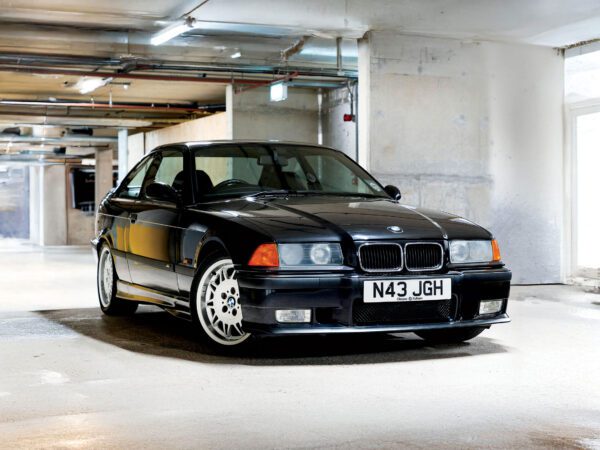 1995 BMW M3This extraordinary 30-year-old BMW M3 was purchased new in 1995 from Cheyne BMW in London by an Italian professional and is a true collectors’ gem. Shortly after acquiring the car, the owner relocated to Singapore for work. Before departing, he drove the M3 to his hometown of Alassio in Italy, where it was meticulously stored […]Read more
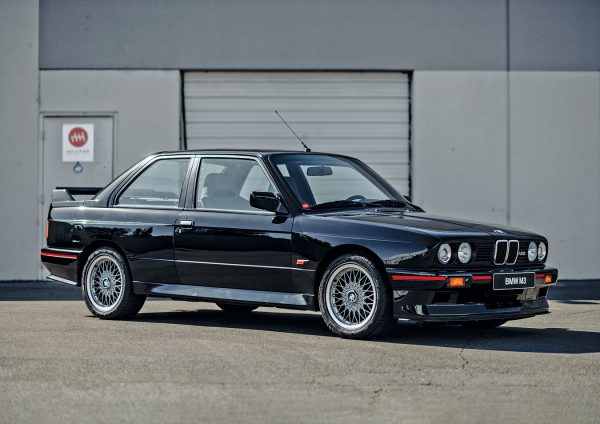 1990 BMW M3 Sport EvolutionThis 1990 BMW M3 Sport Evolution is a homologation masterpiece forged in the red-hot fires of domestic rivalry. It is the ultimate development of BMW’s M3 (E30), itself an earlier homologation special of 5,000 units executed for the 1988 DTM season. During the interceding race season, FIA regulations lowered homologation quotas to just 500 chassis. […]Read more
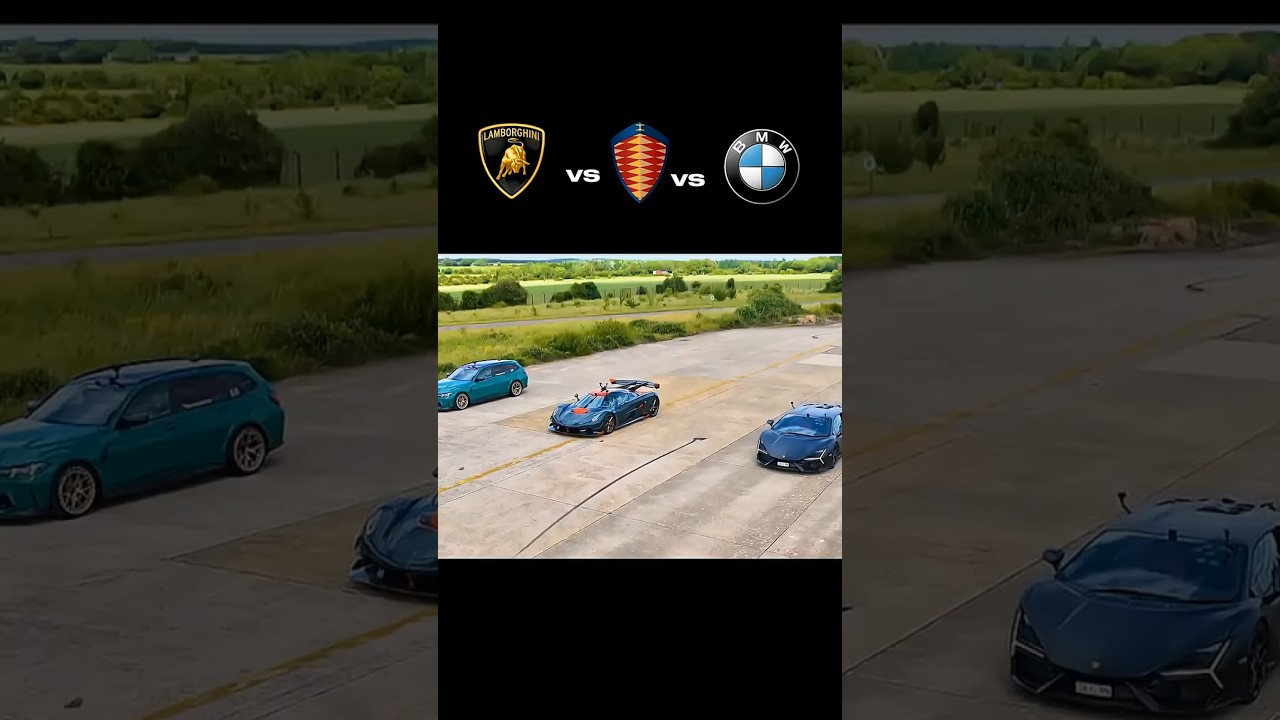
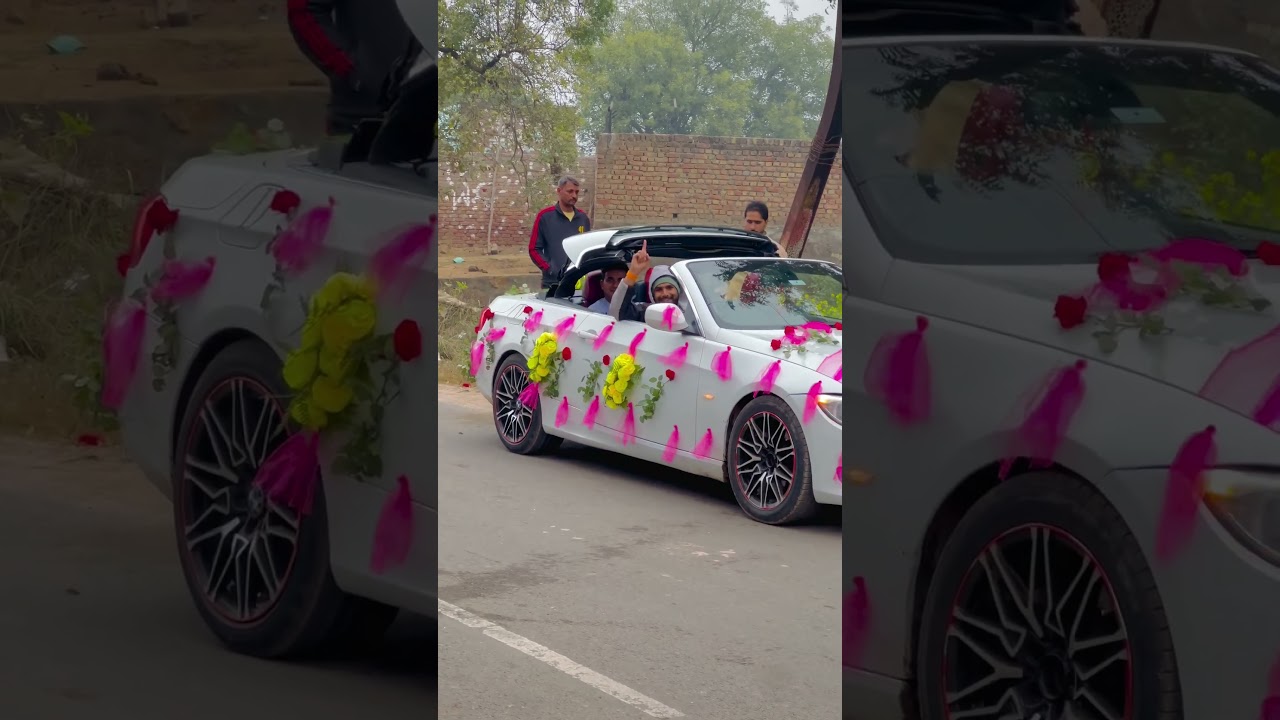
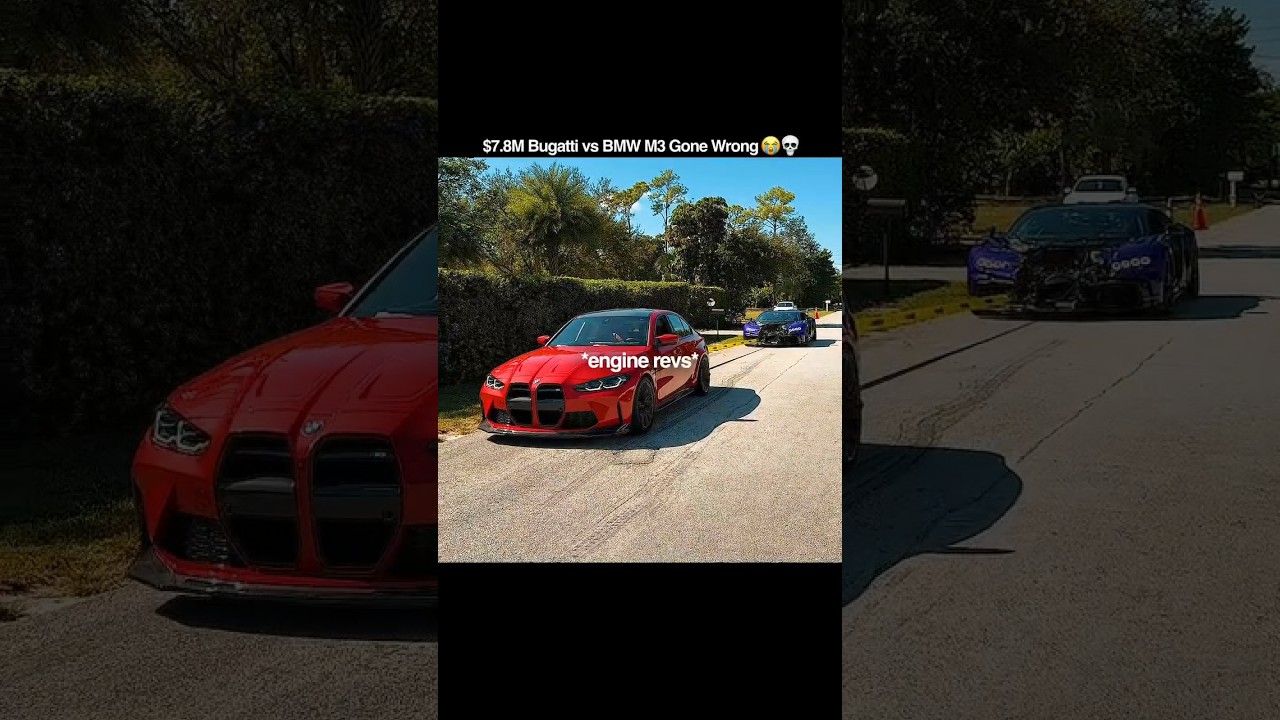
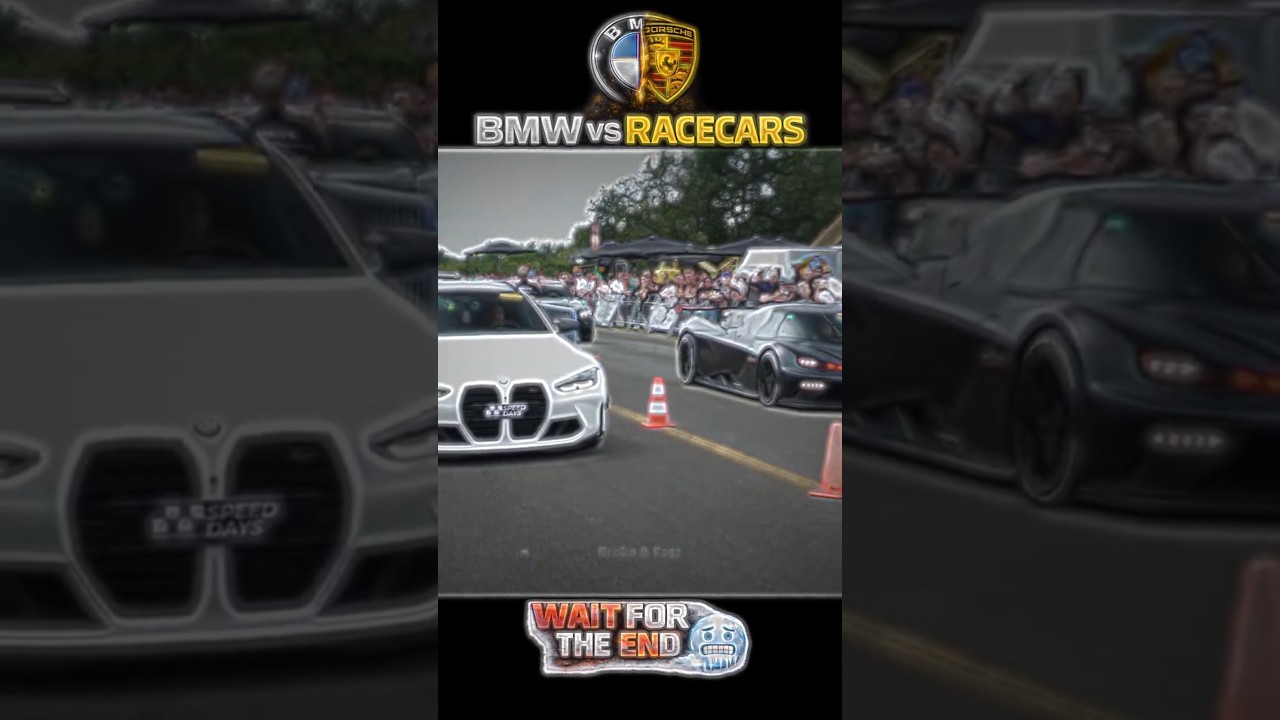
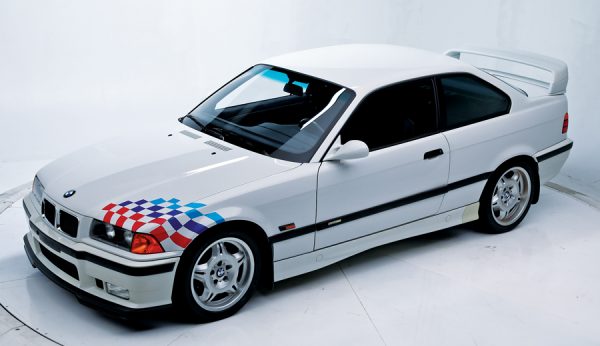 1995 BMW M3 LightweightPopular Videos about the BMW M3 POV BMW M3 Competition DrivenSimAuthority 70,674,885 views BMW M3 vs Lamborghini Revuelto vs Pagani Jesko ZabeErum'S TurboVibes 35,029,616 views 1,000 HP BMW M3! 😱 Auto Motive 30,583,014 views mo.9896535407 #BMW M3 convertible RS luxury car agroha 29,278,849 views Restoration Abandoned BMW M3 | Restoration and Rebuild BMW M3 Competition […]Read more
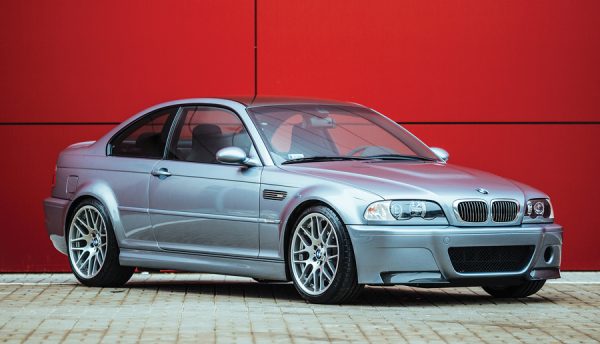 2004 BMW M3 CSLDelivered new to Japan One of 841 LHD M3 CSLs produced Accompanied by its original service book Truly one of the most desirable BMWs built thus far into the 21st century, the M3 CSL is a must-have automobile in any collection of BMWs, and this example will not disappoint. Popular Videos about the BMW M3 […]Read more
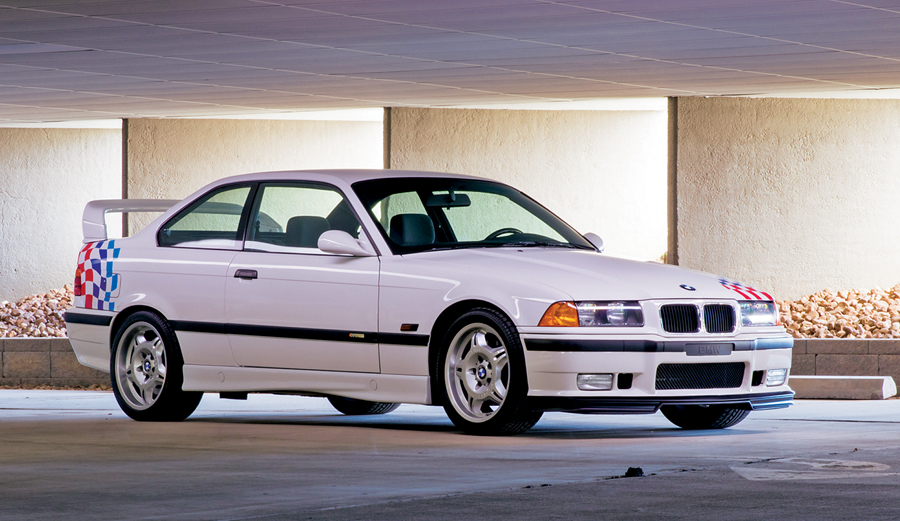 1995 BMW M3 LightweightIn 1995, BMW responded to American customer demand by building a special track-oriented version of the esteemed E36-series M3. The resulting M3 Lightweight shaved 225 pounds from the standard version by integrating aluminum doors and removing all sound deadeners and comfort equipment. The model also featured stiffer springs, front and rear spoilers, and an individually […]Read more
Cars For Sale
Quick links to listings for this make and model online:
Books on the BMW M3
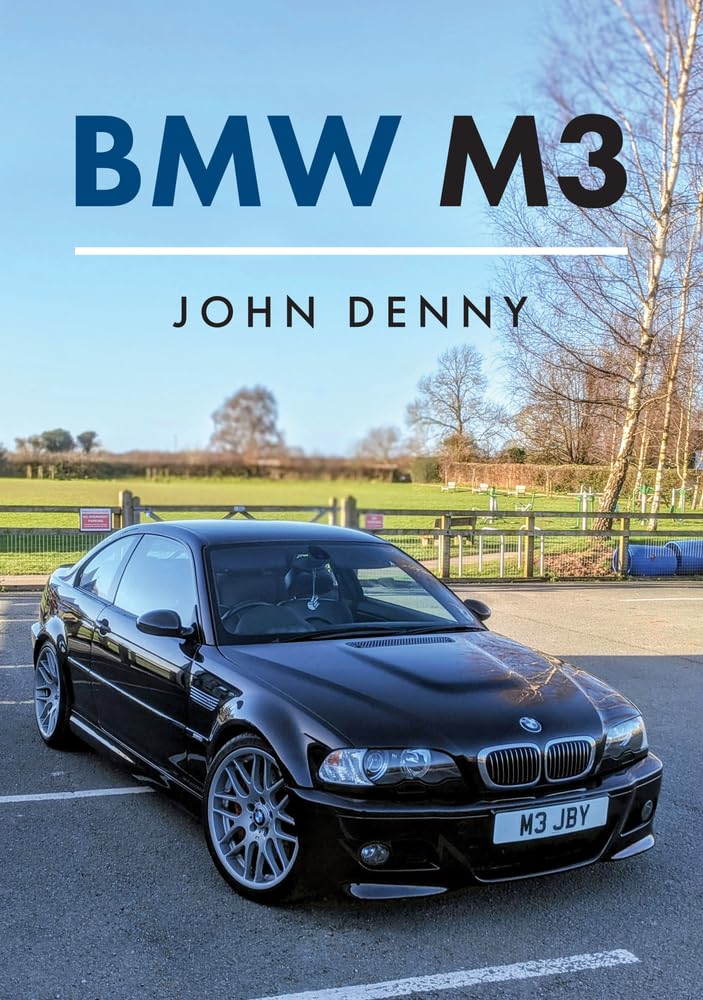
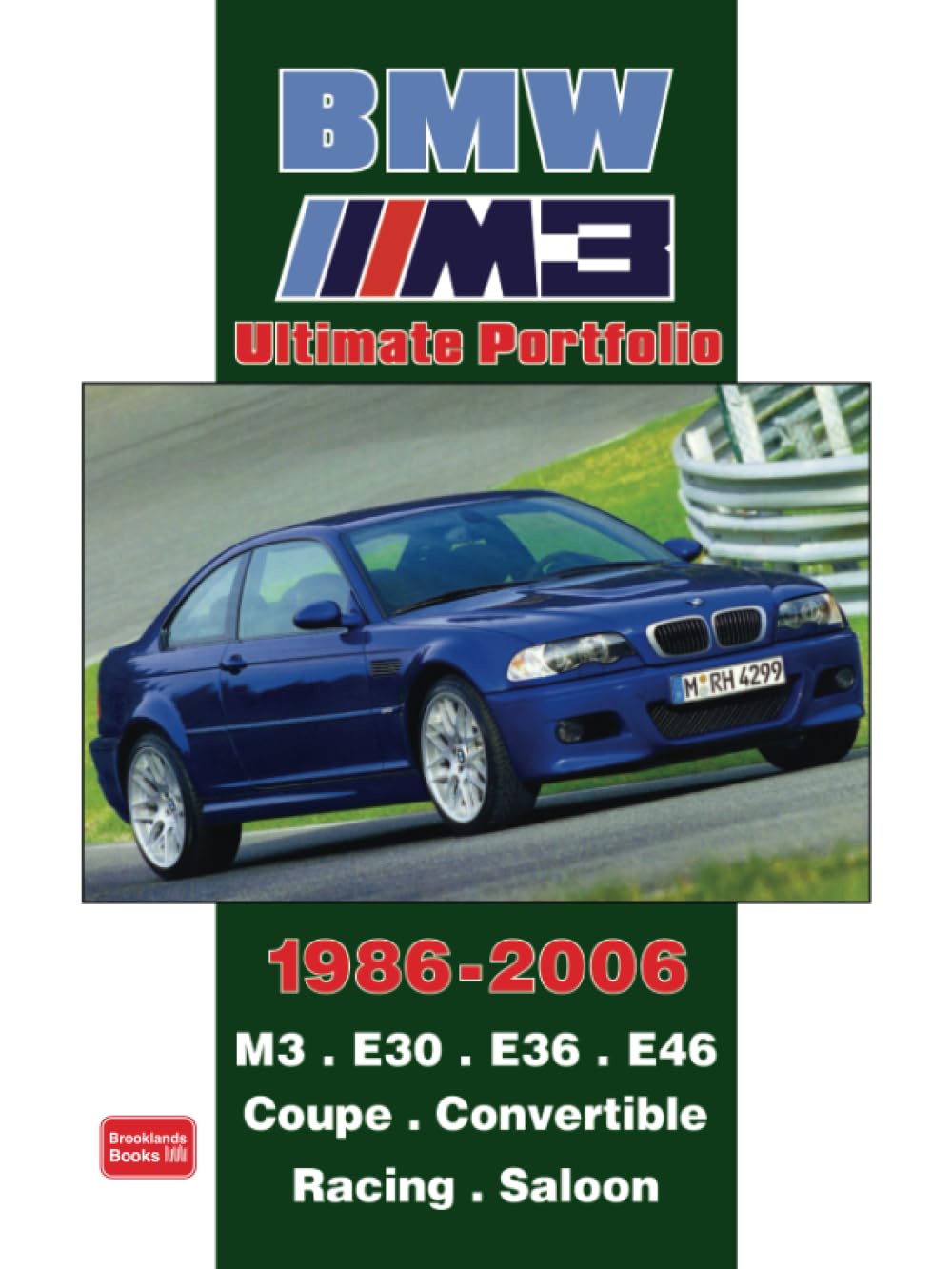
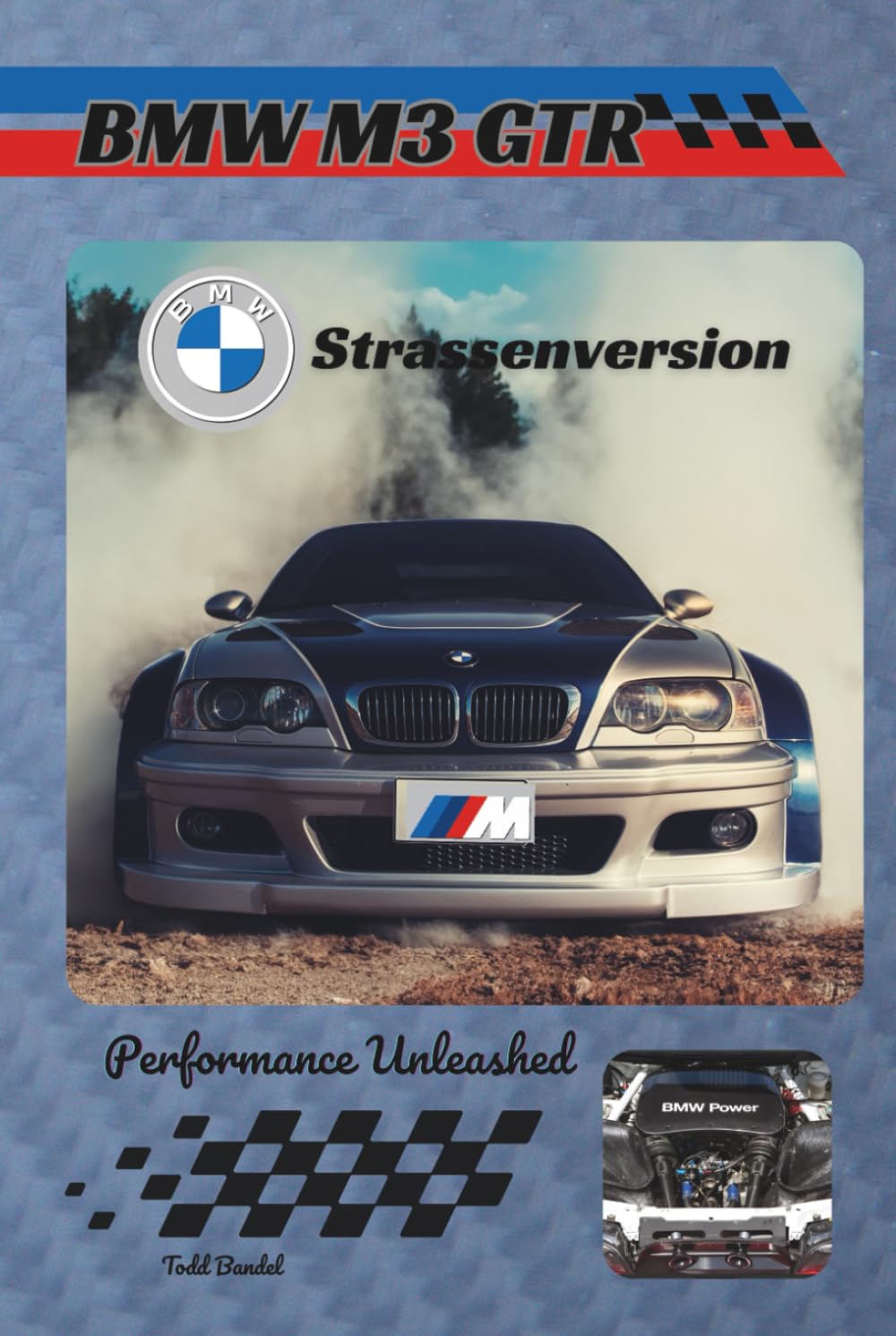
Note that as an Amazon Associate, we earn from qualifying purchases of the above books.
Past Auction Sales – BMW M3
Average BMW M3 Sale Price by Year from SCM’s Platinum Auction Database:
BMW M3 Sales from SCM’s Platinum Auction Database:

Gooding Christie's
Condition: 2
Aug 14, 2026
$106,400

RM Sotheby's
Condition: 2
Jul 8, 2026
$539,766

RM Sotheby's
Condition: 2-
Apr 25, 2026
$188,563

Bonhams Cars
Condition: 3+
Apr 24, 2026
$565,690

Sotheby's Motorsport
Condition: 2
Jan 30, 2026
$25,200

RM Sotheby's
Condition: 2-
Jan 28, 2026
$247,862

Broad Arrow Auctions
Condition: 2
Oct 31, 2025
$53,200

RM Sotheby's
Condition: 2
Oct 18, 2025
$380,363

RM Sotheby's
Condition: 2-
Oct 18, 2025
$321,228

Bonhams Cars
Condition: 2
Sep 13, 2025
$123,030

Bring a Trailer
Condition: 2
Sep 5, 2025
$170,500

Bonhams Cars
Condition: 2+
Jul 11, 2025
$116,398

Broad Arrow Auctions
Condition: 2-
May 24, 2025
$130,969

RM Sotheby's
Condition: 2+
Feb 28, 2025
$307,500

Iconic Auctioneers
Condition: 3+
Feb 21, 2025
$46,945

RM Sotheby's
Condition: 2+
Jan 24, 2025
$89,600

Barrett-Jackson
Condition: 2-
Jan 18, 2025
$72,600

PCarMarket
Condition: 2
Oct 14, 2024
$61,163

Bring a Trailer
Condition: 2+
Oct 8, 2024
$172,500

Cars & Bids
Condition: 3-
Sep 13, 2024
$19,333

Bring a Trailer
Condition: 2
Aug 12, 2024
$202,500

Bring a Trailer
Condition: 3+
Apr 17, 2024
$207,500

Bring a Trailer
Condition: 3+
Mar 11, 2024
$66,150

RM Sotheby's
Condition: 2
Mar 1, 2024
$162,400

Iconic Auctioneers
Condition: 1-
Feb 24, 2024
$172,812

RM Sotheby's
Condition: 2-
Nov 25, 2023
$57,529

RM Sotheby's
Condition: 3+
Nov 25, 2023
$156,328

RM Sotheby's
Condition: 2-
Nov 4, 2023
$80,653

Bonhams Cars
Condition: 2-
Oct 8, 2023
$145,769

Worldwide Auctioneers
Condition: 2-
Aug 31, 2023
$67,200

Bonhams Cars
Condition: 2
Aug 18, 2023
$123,200

RM Sotheby's
Condition: 2-
May 20, 2023
$229,940

PCarMarket
Condition: 3+
Apr 19, 2023
$96,600

Bonhams
Condition: 2-
Mar 2, 2023
$211,680

Cars & Bids
Condition: 3
Jan 30, 2023
$31,350

RM Sotheby's
Condition: 2
Nov 26, 2022
$214,763

Bonhams
Condition: 3+
Sep 17, 2022
$47,151

Silverstone
Condition: 2
Aug 26, 2022
$93,161

Cars & Bids
Condition: 3+
Aug 2, 2022
$25,863

ShiftGate
Condition: 3-
Aug 2, 2022
$19,496

Artcurial
Condition: 2-
Jul 2, 2022
$104,383

Barrett-Jackson
Condition: 3-
Jun 30, 2022
$55,000

Barrett-Jackson
Condition: 2-
Sep 16, 2021
$183,700

Artcurial
Condition: 2-
Jul 19, 2021
$100,981

Bonhams
Condition: 2-
Mar 3, 2021
$75,217

Artcurial
Condition: 2-
Feb 5, 2021
$85,702

Bring a Trailer
Condition: 3+
Jun 4, 2020
$67,200

Silverstone
Condition: 2-
May 23, 2020
$113,164

Gooding & Co.
Condition: 1-
Mar 6, 2020
$112,000

Silverstone
Condition: 3+
Feb 22, 2020
$130,955
See all 81 sales of BMW M3 cars from SCM’s Platinum auction database.
Forums & Communities
Popular Videos about the BMW M3