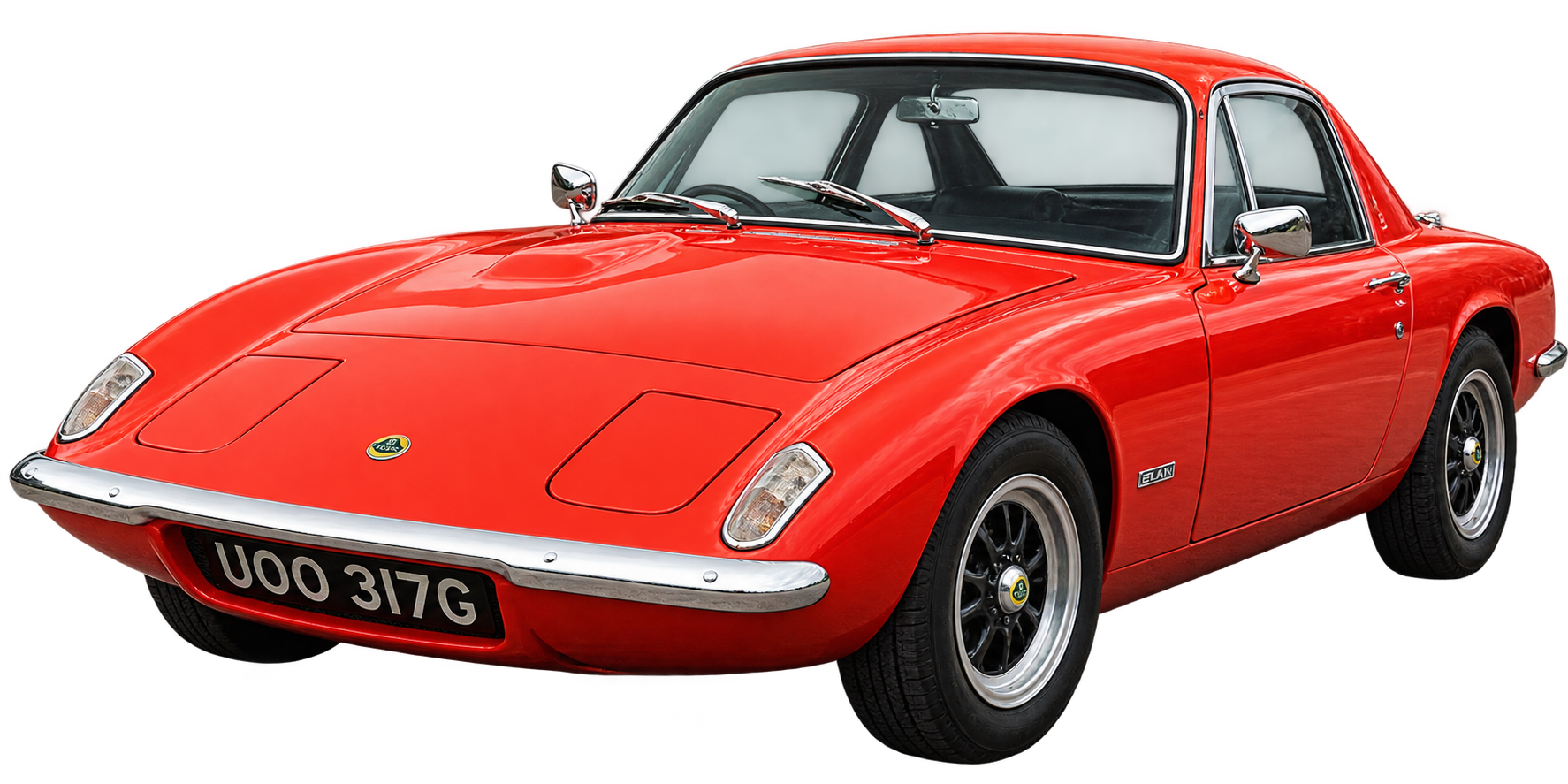
The Lotus Elan is one of the most influential lightweight sports cars ever built. Introduced in 1962, the original Elan combined a remarkably light fiberglass body, a steel backbone chassis, fully independent suspension and a sophisticated twin-cam four-cylinder engine. Its exceptional steering, responsive handling and modest weight established a standard for driver involvement that influenced sports-car design for decades.
The original two-seat Elan was produced from 1962 through 1973, progressing through the Series 1, Series 2, Series 3, Series 4 and Sprint versions. Lotus also introduced the longer-wheelbase Elan +2 in 1967, offering small rear seats and greater touring practicality while retaining much of the original car’s engineering. The +2 remained in production through 1975, outlasting the two-seat Elan.
The Elan was particularly important because it demonstrated that outstanding performance did not require a large engine. Early cars produced approximately 105 horsepower, while the final Sprint developed 126 horsepower, but the Elan’s low weight allowed it to accelerate, brake and corner with an agility that challenged considerably more powerful automobiles. Its design philosophy reflected Lotus founder Colin Chapman’s emphasis on minimizing weight and maximizing efficiency rather than simply increasing engine output.
The Elan name was revived in 1989 for the front-wheel-drive M100, a technologically sophisticated but fundamentally different sports car. Although the later Elan deserves recognition for its engineering, the original rear-wheel-drive cars of 1962–75 remain the focus of the model’s historical and collector significance.
Colin Chapman and the Development of the Elan
By the early 1960s, Lotus had established a formidable reputation in motorsport but faced challenges producing road cars that were both commercially viable and practical to own. The earlier Lotus Elite, introduced in 1957, had demonstrated the company’s ability to create an exceptionally lightweight and aerodynamically efficient sports car, but its fiberglass monocoque construction was expensive and difficult to manufacture consistently.
Colin Chapman wanted a replacement that preserved the Elite’s lightness and outstanding handling while reducing production costs and improving reliability. The resulting Elan adopted a fundamentally different structural concept: a separate steel backbone chassis carrying the engine, drivetrain and suspension, with a fiberglass body providing the exterior shape and passenger compartment.
This approach simplified production and made the structure easier to repair than the Elite’s fiberglass monocoque. It also allowed Lotus to develop a car that was both more practical and less expensive while retaining the extraordinary responsiveness that distinguished the company’s competition machinery.
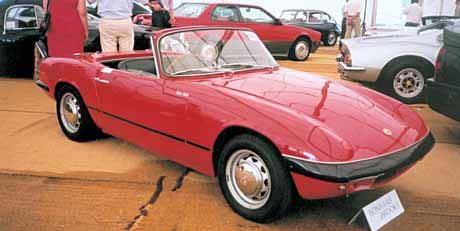
1963 Lotus Elan S1 convertible
The 1962–64 Elan Series 1
The original Elan Series 1, commonly called the S1, entered production in 1962 and continued into 1964. Early cars were designated Elan 1500 because they initially used a 1,498cc version of the new Lotus Twin Cam engine. Only a small number were built before displacement increased to 1,558cc, and most surviving S1 cars therefore use the larger engine. Lotus built only 22 Elan 1500s total. Due to early block and head reliability issues, Lotus recalled nearly all of them, retrofitting them at the factory with the enlarged 1.558 cc engine. Fewer than a handful of true factory 1.498 cc engines exist in private hands today.
The S1 was exceptionally light, with early examples weighing approximately 1,500 pounds depending on equipment. Its fiberglass body featured a low nose, retractable headlights, compact cockpit and short rear deck. The proportions were remarkably clean, reflecting Chapman’s determination to avoid unnecessary size and mass.
Early S1 cars were sold primarily as roadsters with a removable soft top. The interior was simple, and the earliest examples featured relatively sparse trim and instrumentation. The combination of low weight, responsive engine and fully independent suspension immediately distinguished the Elan from contemporary British sports cars such as the MGB and Triumph TR4.
The Lotus Twin Cam Engine
The engine that defined the original Elan was the Lotus Twin Cam, a four-cylinder unit based on the Ford Kent engine’s cast-iron cylinder block. Lotus developed a new aluminum cylinder head with dual overhead camshafts and two valves per cylinder, creating an engine capable of producing substantially more power than the ordinary Ford pushrod unit.
The earliest 1962 Elan 1500 used a 1,498cc engine, but displacement quickly increased to 1,558cc through a larger bore. The standard 1,558cc engine produced approximately 105 horsepower in early applications, an impressive figure for a naturally aspirated four-cylinder road-car engine of the period.
The Twin Cam was developed with important input from Harry Mundy, a respected engine designer and technical journalist. Its combination of a compact iron block and high-performance aluminum head proved effective enough to remain in Lotus production for many years, powering not only the Elan but also the Lotus Cortina and later Lotus models.
Weber and Dell’Orto Carburetors
Most original Elans used twin side-draft carburetors, commonly Weber 40 DCOE units, although Dell’Orto carburetors appeared on certain later versions and markets. Some engines used Stromberg carburetors, particularly where emissions requirements or other market considerations influenced specification.
Stromberg (Zenith-Stromberg 175 CD2) carburetors were mandatory for US/Federal-spec cars starting in 1968 (late S3/S4) to meet EPA emissions limits. Because the Zenith-Stromberg carbs sit higher on the intake manifold than side-draft Webers, Lotus had to alter the fiberglass mold, creating the distinctive “Federal” dual-bulge hood to clear the air cleaners.
The side-draft arrangement provided excellent breathing at higher engine speeds and contributed to the Twin Cam’s distinctive induction sound. When correctly adjusted, the engine responds quickly to throttle input and delivers a strong, progressive increase in power as revs rise.
Carburetor condition is important because worn throttle shafts, incorrect jetting, vacuum leaks and poor synchronization can create hesitation or rough running. A properly tuned Twin Cam should idle reasonably smoothly, pull cleanly through the rev range and respond sharply without excessive flat spots.
The Steel Backbone Chassis
One of the Elan’s most important innovations was its steel backbone chassis, introduced with the original 1962 S1 and retained throughout production of the classic two-seat Elan.
The chassis consists of a central steel structure with substantial sections extending forward to support the engine and front suspension and rearward to carry the differential and rear suspension. The fiberglass body is mounted to this structure rather than serving as the principal load-bearing component.
The arrangement provided excellent torsional rigidity for its weight and allowed Lotus to achieve exceptional handling without a heavy conventional frame. It also became a defining feature of subsequent Lotus road cars, including the Europa and Esprit.
Although the chassis is relatively straightforward, corrosion and accident damage are serious concerns. The front suspension towers, lower sections and other areas where moisture can accumulate require careful inspection. Many surviving Elans have received replacement chassis, including factory-style and aftermarket designs, and the quality and documentation of such work are important to collectors.
Front Suspension and Steering
The original Elan’s front suspension uses unequal-length wishbones, coil springs and telescopic dampers, combined with rack-and-pinion steering. This arrangement provides precise wheel control while minimizing unsprung weight and steering friction.
The steering is one of the car’s defining characteristics. Without power assistance, the Elan provides exceptionally direct feedback, allowing the driver to sense changes in front-tire grip almost immediately. Its relatively narrow tires and low vehicle weight contribute to a light, responsive feel that modern sports cars rarely duplicate.
Suspension geometry is critical to preserving this character. Worn ball joints, control-arm bushings, steering-rack components or incorrectly selected ride heights can make an Elan feel vague or unstable. A properly restored car should feel remarkably precise without requiring excessively stiff springs or oversized tires.
Chapman Strut Rear Suspension
The Elan’s rear suspension employs the Chapman strut, a design associated with Colin Chapman and used in several Lotus applications. On the original Lotus Elite (Type 14), the driveshaft/drive-shaft pod acted as an upper lateral link. However, on the Elan (Type 26/36/45/50), the rear suspension uses a wide lower A-frame/wishbone (Wishbone/Strut) that completely handles lateral location. The driveshaft and its Rotoflex couplings do not serve as a structural suspension link on the Elan.
This arrangement provided independent rear suspension with relatively few components and low weight. It was a major advantage over the live rear axles used by many contemporary British sports cars, particularly on uneven roads.
The design also places considerable importance on the condition of the driveshaft joints, suspension bushings and strut assemblies. Worn components can affect rear-wheel geometry and introduce unwanted movement under acceleration or cornering.
Rotoflex Couplings
Original Elans used Rotoflex rubber couplings in the rear driveshafts. These flexible couplings accommodate suspension movement and reduce driveline harshness, but they also introduce a degree of compliance between the differential and rear wheels.
When new and correctly installed, the system works well, although deterioration can produce vibration, driveline wind-up and eventually coupling failure. Because a failed coupling can damage surrounding components, regular inspection is essential.
Many Elans have been converted to constant-velocity-joint driveshafts, which generally provide improved durability and more consistent power delivery. Such conversions are common and often desirable for regularly driven cars, although originality-minded collectors may prefer the factory Rotoflex arrangement.
Four-Wheel Disc Brakes
From its introduction in 1962, the Elan used disc brakes at all four wheels, an unusually sophisticated feature for a small sports car of the period. Combined with the car’s low weight, the brakes provided strong stopping performance without requiring enormous discs or calipers.
The original system is generally effective when properly maintained. Problems arise from corroded calipers, deteriorated hydraulic seals, old flexible hoses and neglected master cylinders, particularly on cars that have spent long periods in storage.
Because the Elan is so light, maintaining the original braking system in excellent condition is often more important than fitting substantially larger aftermarket components. Correct brake balance and pedal feel contribute significantly to the car’s driving character.
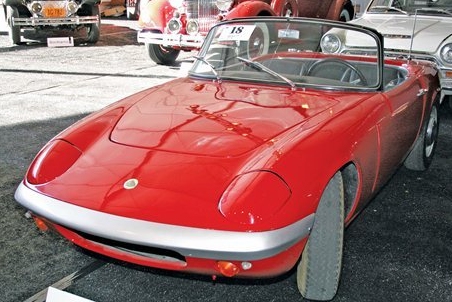
1964 Lotus Elan S2 roadster, from an auction in Carmel on August 18th, 2011
The 1964–66 Elan Series 2
The Elan Series 2, introduced in 1964 and produced into 1966, refined the original design without substantially changing its mechanical character. Lotus improved interior equipment, trim and various details that had been relatively basic on the earliest S1 cars.
The S2 retained the 1,558cc Twin Cam engine, four-speed manual transmission and lightweight backbone-chassis construction. Output remained approximately 105 horsepower in standard form, although detail changes occurred during production.
The most important distinction between the S1 and S2 is therefore not outright performance but usability and refinement. The S2 retained the exceptionally light and responsive character of the earliest Elans while addressing some of the inconveniences associated with the original design.
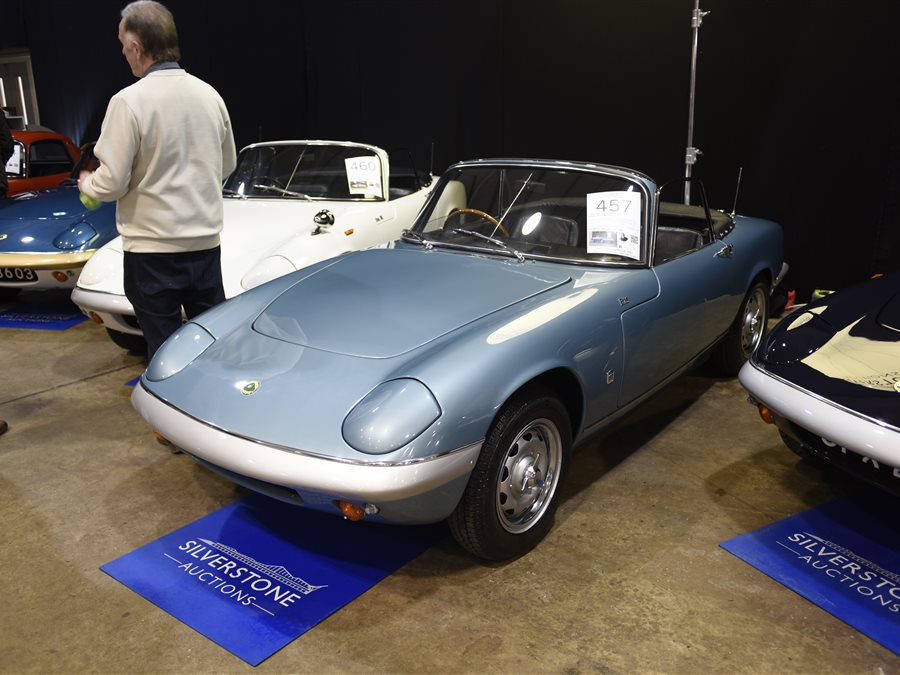
1966 Lotus Elan S3 Drophead coupe roadster, from an auction at Silverstone on February 25th, 2023
The 1966–68 Elan Series 3
The Series 3, introduced in 1966 and produced through 1968, represented a more substantial development of the Elan. Lotus introduced a fixed-head coupe alongside the convertible, broadening the model’s appeal to buyers who wanted greater weather protection and year-round practicality.
The S3 retained the 1,558cc Twin Cam but incorporated numerous body, interior and equipment changes. The coupe’s fixed roof gave it a different appearance and improved weather sealing, while the convertible continued to offer the open-air experience associated with the original car.
The S3 also introduced the more powerful Special Equipment, or SE, specification, which became an important distinction within the Elan range. These cars offered increased engine output and additional equipment, creating a higher-performance version without fundamentally changing the lightweight chassis.
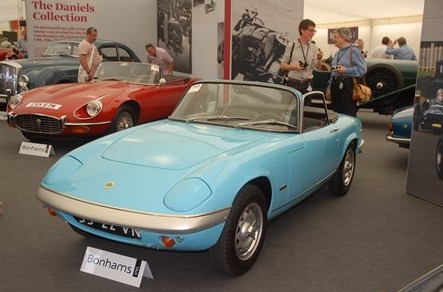
1968 Lotus Elan Series 4 SE convertible, from an auction in Chichester on June 29th, 2012
The Elan SE
The Elan SE, introduced during the Series 3 period in 1966, used a more highly tuned version of the Lotus Twin Cam engine. Output increased to approximately 115 horsepower, compared with roughly 105 horsepower for the standard engine.
The additional performance came from changes to engine specification and tuning rather than increased displacement. The SE also incorporated various equipment and trim distinctions depending upon production year and market.
Although the increase in horsepower appears modest, it is significant in a car weighing approximately 1,500–1,600 pounds. The SE feels particularly lively at higher engine speeds and helped establish the progression that would culminate in the Sprint.
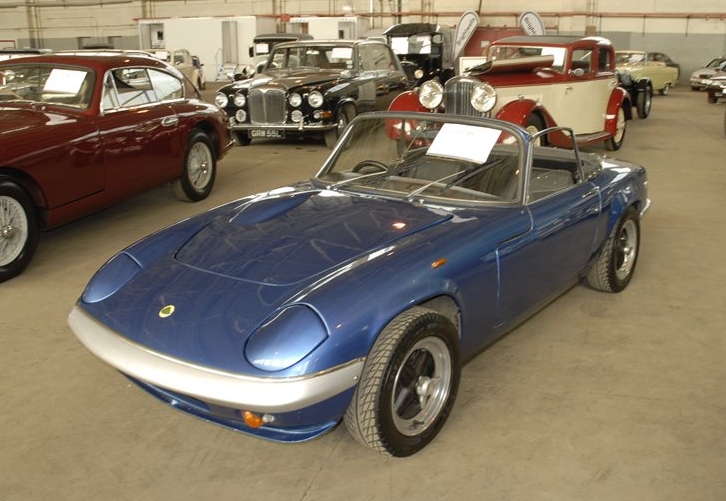
1970 Lotus Elan S4 SE convertible, from an auction on April 4th, 2017
The 1968–71 Elan Series 4
The Elan Series 4, introduced in 1968 and produced through approximately 1971, brought further improvements in body construction, interior equipment and usability. The S4 retained the basic chassis and 1,558cc Twin Cam engine but incorporated revised body details and more substantial trim.
Exterior changes included revised wheel arches and lighting details, while the interior became more comfortable and better equipped. Depending upon specification, the S4 could be ordered with standard or SE engine output.
The S4 was somewhat heavier than the earliest S1 cars, reflecting the accumulation of comfort and safety equipment. Nevertheless, it retained the fundamental Elan character: low mass, direct steering, excellent balance and an engine that rewarded enthusiastic driving.
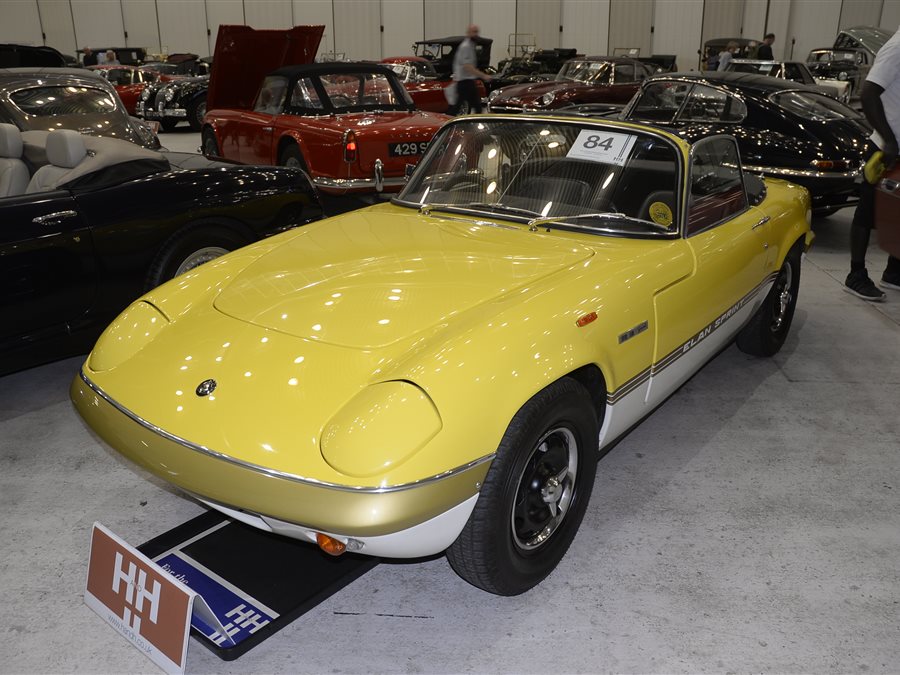
1971 Lotus Elan Sprint drophead coupe, from an auction on June 19th, 2019
The 1971–73 Elan Sprint
The Elan Sprint, introduced in 1971 and produced through 1973, was the final and most powerful development of the original two-seat Elan. It used the 1,558cc Twin Cam in Big Valve specification, producing officially 126 horsepower. Under modern or European DIN standards (net horsepower at the flywheel with accessories), real output is closer to 105–110 hp (DIN) however.
The Big Valve engine incorporated larger intake valves and associated cylinder-head and induction changes, improving breathing and power at higher engine speeds. Although displacement remained unchanged, the Sprint delivered noticeably stronger acceleration than earlier Elans.
The Sprint was also distinguished by its familiar two-tone paint treatment, commonly featuring a contrasting lower body color and a gold dividing stripe. Not every Sprint was finished this way, however, and original paint specifications should be checked against factory records.
The Big Valve Twin Cam
The Big Valve Twin Cam, introduced with the Sprint in 1971, represented the ultimate standard production development of the original Elan engine. Larger intake valves and revised cylinder-head characteristics improved airflow, allowing the engine to produce approximately 126 horsepower at 6,500 rpm.
The increase from the early 105-horsepower engine was substantial, particularly because the Sprint remained exceptionally light. The result was a car capable of acceleration comparable with much larger and more powerful contemporary sports cars.
The Big Valve engine requires the same careful maintenance as earlier Twin Cams, including attention to camshaft timing, valve clearances, cooling-system condition and correct carburetor tuning. Original Big Valve cylinder heads and associated components are increasingly important when authenticating a Sprint.
The Elan +2: 1967–75
Lotus introduced the Elan +2 in 1967 as a larger and more practical companion to the two-seat Elan. Rather than simply stretching the existing body, Lotus developed a substantially revised chassis and a new fiberglass body with a longer wheelbase, greater overall width and small rear seats.
The +2 retained the fundamental Elan engineering philosophy, including the backbone chassis, Twin Cam engine and independent suspension. Its increased size and weight made it less immediately responsive than the two-seat car, but it offered improved high-speed stability and greater long-distance comfort.
The +2 was particularly significant because it demonstrated that Lotus could apply its lightweight engineering principles to a more sophisticated grand tourer. It also anticipated the company’s later movement toward larger, more luxurious road cars.
The 1967–69 Elan +2
The original Elan +2, introduced in 1967, used the 1,558cc Twin Cam engine in approximately 108-horsepower specification. Its longer wheelbase and wider track gave it a more substantial road presence than the two-seat Elan.
The cabin featured a full-width dashboard, extensive wood trim and a more luxurious atmosphere. Although the rear seats were small, they provided occasional accommodation for children or additional luggage.
The +2’s additional weight reduced acceleration compared with the two-seat Elan, but the car retained excellent steering and handling. Its greater stability at high speeds made it particularly well suited to long-distance touring.
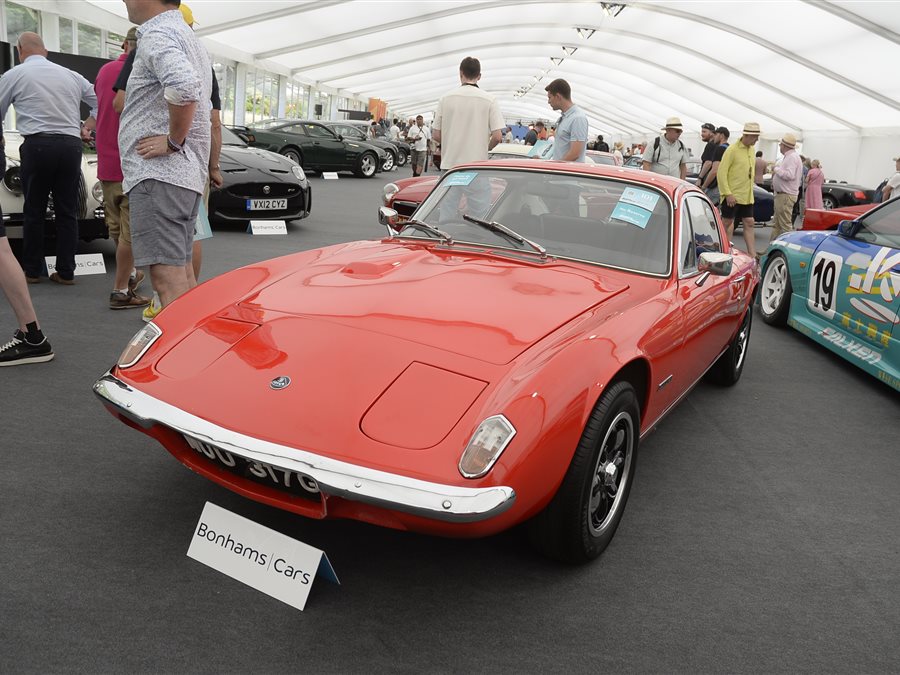
1969 Lotus Elan +2 S coupe, from an auction at the Goodwood Festival of Speed on July 11th, 2025
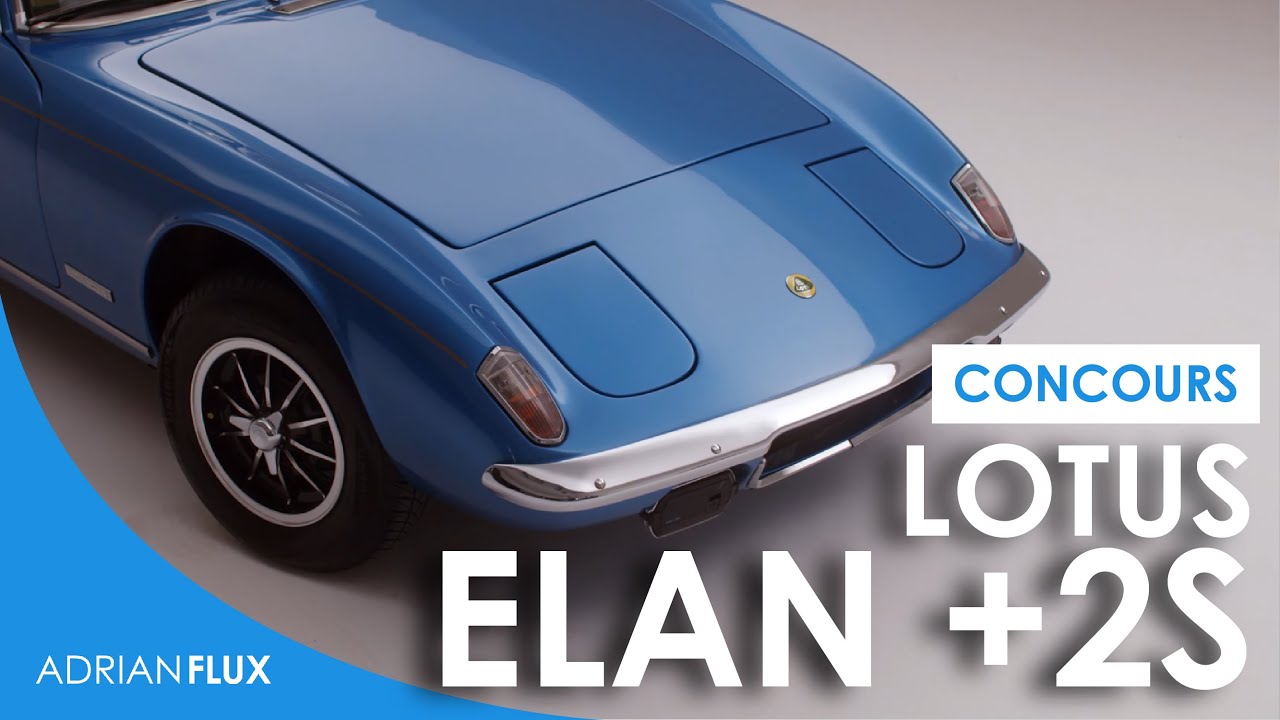
The 1969–71 Elan +2S
The Elan +2S, introduced in 1969, added a higher level of standard equipment and interior refinement. Features included improved trim, additional instrumentation and various comfort items that made the car more competitive with larger European grand tourers.
The mechanical package remained closely related to the earlier +2, retaining the Twin Cam engine and four-speed manual transmission. The +2S therefore emphasized refinement rather than a major increase in performance.
This model illustrates Lotus’s gradual movement away from the extreme minimalism of the original Elan. The company increasingly recognized that customers wanted its handling characteristics without necessarily accepting the sparse equipment of a lightweight competition-derived roadster.
The 1971–75 Elan +2S 130
The Elan +2S 130, introduced in 1971 and produced through 1975, adopted the Big Valve Twin Cam engine developed for the Sprint. Output increased to approximately 126 horsepower, giving the larger +2 substantially improved performance.
The additional power was particularly welcome because the +2 weighed considerably more than the two-seat Elan. It provided stronger acceleration and made the car more capable as a high-speed touring machine.
The +2S 130 also benefited from continued improvements in equipment and interior quality. By this stage, the +2 had developed into a genuine small grand tourer rather than merely a stretched sports car.
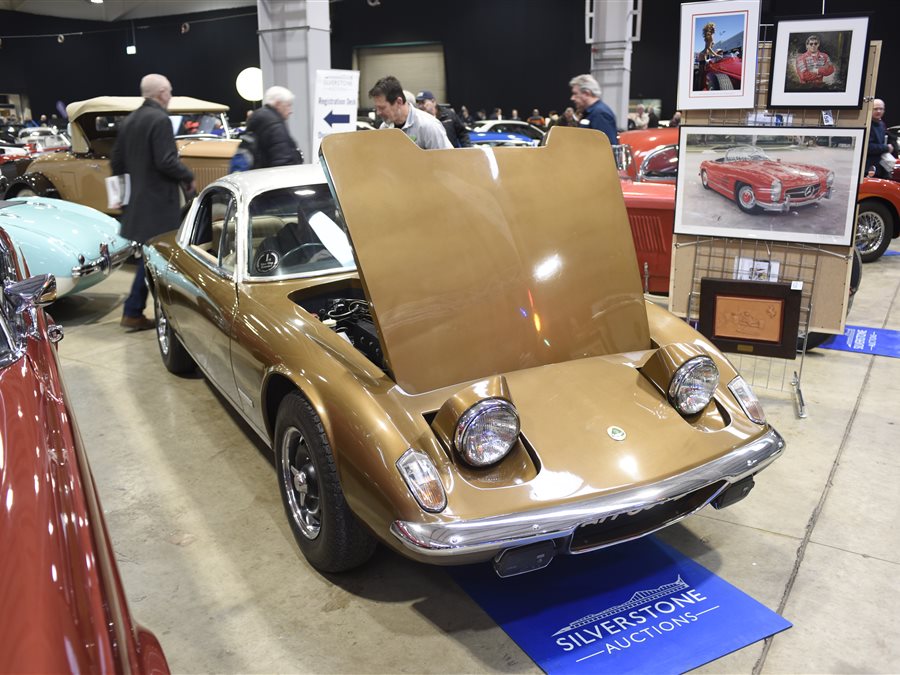
1972 Lotus Elan +2S 130/5 coupe, from an auction on February 25th, 2023
The Elan +2S 130/5
The Elan +2S 130/5, introduced in 1972 and produced through 1975, added a five-speed manual transmission. This was an important improvement for long-distance use because the additional ratio reduced engine speed during sustained highway driving.
The 5-speed box used in the late +2S 130/5 was an in-house Lotus development derived from Austin Maxi gear internals placed inside a bespoke Lotus casing. It is notoriously fragile if shifted aggressively compared to the bulletproof Ford 2000E 4-speed manual used in standard Elans.
The five-speed gearbox made the +2 more relaxed without sacrificing the responsive character of the Twin Cam engine. Combined with the Big Valve engine, it created the most developed and versatile version of the classic Elan +2.
For collectors interested in regular touring rather than the lightest possible driving experience, the +2S 130/5 offers an appealing combination of performance, refinement and practicality.
Fiberglass Body Construction
All original 1962–75 Elans used fiberglass bodywork, allowing Lotus to produce complex shapes without the weight and tooling expense of conventional steel construction. The body panels were relatively light, while the steel backbone chassis provided the principal structural strength.
Fiberglass eliminates conventional body rust, but it introduces its own restoration challenges. Stress cracks, crazing, poor previous repairs and deterioration around mounting points are common, particularly on cars that have suffered accident damage or chassis movement.
Original gelcoat and paint finishes can also deteriorate with age. A high-quality fiberglass restoration requires careful preparation and appropriate materials, because simply applying modern paint over old cracks rarely provides a lasting solution.
Chassis Corrosion and Replacement
Although the Elan’s fiberglass body does not rust, the steel backbone chassis is vulnerable to corrosion. Moisture can accumulate in enclosed sections, particularly where drainage is poor or previous repairs have trapped water.
The front suspension towers are critical because they carry substantial loads. Corrosion or cracking in these areas can compromise both safety and handling, and repairs must be carried out accurately to preserve suspension geometry.
Many Elans have received replacement chassis, including factory-pattern units and aftermarket alternatives. A properly installed replacement chassis can improve safety and usability, but originality-minded collectors should consider whether the replacement matches the original specification and whether the work is documented.
Engine Reliability
The Lotus Twin Cam is a sophisticated but generally durable engine when maintained correctly. Its cast-iron Ford-derived block is robust, while the aluminum cylinder head requires careful attention to cooling-system condition and correct assembly.
Overheating can damage the cylinder head or head gasket, and poor maintenance can accelerate wear in the camshaft drive and valve gear. Oil leaks are common, particularly around cam covers and other sealing surfaces.
Correct engine rebuilding requires knowledge of the Twin Cam’s particular characteristics. Valve timing, piston-to-valve clearance, cylinder-head condition and oil-system operation must all be checked carefully, especially on engines that have been modified for greater performance.
Cooling-System Maintenance
Cooling-system condition is especially important on the 1962–75 Elan because the compact engine compartment and relatively high-output Twin Cam place considerable demands on the radiator and associated components.
Radiator condition, hoses, thermostat operation and cooling-fan performance should all be inspected. Some cars have been fitted with upgraded radiators or electric fans, which can improve reliability in modern traffic when installed correctly.
A car that runs hot should not simply be assumed to be behaving normally. Persistent overheating can indicate restricted cooling passages, poor airflow, incorrect ignition timing or other mechanical problems requiring attention.
Electrical System and Vacuum-Operated Headlights
The original Elan’s electrical system is relatively simple, but age and previous repairs can create significant problems. Corroded grounds, deteriorated connectors and damaged wiring are common sources of intermittent faults.
The retractable headlights are particularly distinctive. They use an engine-vacuum-operated mechanism rather than conventional electric motors, and the system depends upon sound hoses, valves, reservoirs and actuating components.
Lotus designed the pop-up headlights with a fail-safe vacuum system: engine vacuum is used to pull and hold the headlights down against spring pressure. When vacuum drops (or if a leak occurs), the springs automatically pop the headlights UP so the driver isn’t left blind at night. Note that later +2 models incorporated microswitches/fail-safe pods with reverse logic, but standard 2-seater Elans pop up upon vacuum loss.
Windows, Doors and Weather Sealing
The Elan’s lightweight fiberglass body and compact door construction create challenges with window alignment and weather sealing. Convertible cars are particularly vulnerable to water entry around the side windows, windshield frame and soft-top seals.
Door fit should be evaluated carefully because sagging hinges, worn mounting points or previous body repairs can affect both appearance and sealing. Poorly adjusted windows can produce wind noise and water leaks even when the seals themselves are relatively new.
Fixed-head coupes generally provide better weather protection, but they can still suffer leaks around windshield and rear-window seals. Water intrusion should be investigated promptly because it can damage interiors and contribute to corrosion in the chassis and associated steel components.
Suspension Restoration
A properly restored Elan suspension is one of the car’s greatest assets. The lightweight chassis, narrow tires and carefully selected spring and damper rates produce extraordinary responsiveness without requiring an excessively harsh ride.
Worn bushings, ball joints, wheel bearings and dampers can significantly reduce precision. Because the car is so light, small changes in suspension friction or geometry are particularly noticeable.
Modern aftermarket suspension components are widely available, but excessively stiff springs, oversized anti-roll bars or inappropriate tires can undermine the balance that made the Elan famous. Factory-style geometry and carefully selected components are often preferable for road use.
Wheels and Tires
Original Elans used relatively narrow wheels and tires by modern standards. Their modest width was an important part of the car’s handling character, allowing progressive breakaway and low steering effort.
Many surviving cars have been fitted with wider wheels and modern performance tires. These changes can increase ultimate grip, but they may also alter steering feel, suspension loading and the car’s balance.
For a collector-quality restoration, wheel design and tire dimensions should be appropriate to the particular series and production year. Original-style wheels are increasingly important to the appearance of early S1 and S2 cars, while Sprint and later +2 models have their own characteristic specifications.
Interior and Instrumentation
The original 1962–64 S1 Elan had a relatively simple interior reflecting its lightweight design. Later S2, S3 and S4 cars gradually gained more substantial trim, improved seats and additional equipment.
Wood-veneer dashboards became an important part of the Elan’s appearance, particularly on later cars. The combination of traditional instruments, compact controls and low seating position created a cockpit that felt purposeful without being excessively austere.
The +2 adopted a more elaborate interior, with greater dashboard width, additional instruments and more comfortable seating. Original trim materials and correct instrument layouts are important when evaluating restored examples because interiors were frequently modified during periods when the cars had relatively little collector value.
Modifications and Upgrades
The original Elan has always attracted modifications because its chassis responds well to careful development. Common upgrades include improved cooling systems, electronic ignition, modern dampers, constant-velocity-joint driveshafts and five-speed transmission conversions.
Many of these changes can improve reliability and usability without fundamentally altering the car’s character. However, poorly executed modifications can introduce new problems, particularly when they affect suspension geometry, chassis stiffness or engine tuning.
For collector purposes, reversible upgrades are generally preferable. A car retaining its original engine, gearbox, wheels and interior components has greater historical integrity than one extensively modified without documentation.
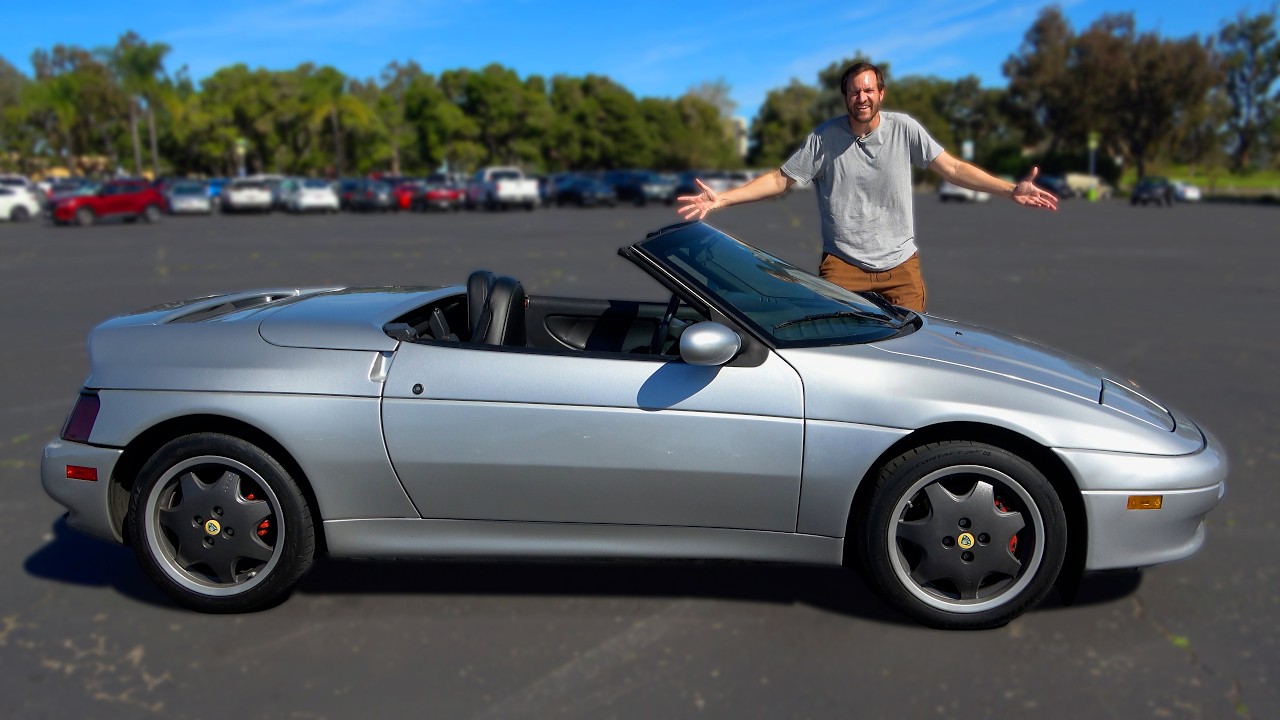
The 1989–95 M100 Elan
Lotus revived the Elan name in 1989 with a completely new sports car, internally designated M100. Unlike the original rear-wheel-drive Elan, the M100 used front-wheel drive, a decision that reflected Lotus’s belief that carefully developed front-drive suspension could provide exceptional real-world handling.
The M100 used a 1.6-liter Isuzu-derived dual-overhead-cam engine, offered in naturally aspirated and turbocharged versions. The turbocharged Elan SE produced approximately 162 horsepower and delivered strong performance with outstanding stability and traction.
Although the M100 earned considerable praise for its handling, it never achieved the commercial success Lotus hoped for. Production ended in the early 1990s, with a limited Series 2 run following in 1994–95. The later Elan remains an interesting sports car in its own right, but it shares little mechanically with the original 1962–75 models.
After Lotus ended M100 production in 1995, the tooling, chassis design, and manufacturing rights were sold to Kia. Kia produced the car as the Kia Elan (or Kia Roadster) from 1996 to 1999 using a 1.8L Kia DOHC engine instead of the Isuzu turbo motor.
Understanding the Major Lotus Elan Variants
- Elan S1 (1962–64): Original lightweight two-seat roadster, initially with a 1,498cc Twin Cam before quickly adopting the 1,558cc engine. Approximately 105 horsepower in standard specification.
- Elan S2 (1964–66): Refined version of the original roadster with improved trim and equipment, retaining the 1,558cc Twin Cam.
- Elan S3 (1966–68): Introduced the fixed-head coupe and further body and interior improvements, with standard and SE engine specifications.
- Elan SE (from 1966): Higher-performance specification producing approximately 115 horsepower, offered during the later S3 and S4 periods.
- Elan S4 (1968–71): Further-developed two-seat Elan with revised body details, interior equipment and continued standard or SE engine options.
- Elan Sprint (1971–73): Final two-seat development with the 126-horsepower Big Valve Twin Cam and distinctive available two-tone paint treatment.
- Elan +2 (1967–69): Longer-wheelbase 2+2 version with greater interior space and touring comfort.
- Elan +2S (1969–71): More luxurious +2 with improved interior equipment and refinement.
- Elan +2S 130 (1971–75): Big Valve Twin Cam version producing approximately 126 horsepower.
- Elan +2S 130/5 (1972–75): Final development of the +2, combining the Big Valve engine with a five-speed manual transmission.
- M100 Elan (1989–95): Entirely new front-wheel-drive sports car using a 1.6-liter Isuzu-derived engine, available in naturally aspirated and turbocharged forms.
What Matters to Collectors
For the original 1962–73 two-seat Elan, chassis condition is one of the most important considerations. A fiberglass body can conceal corrosion or damage to the steel backbone chassis, and a car with an attractive exterior may still require major structural work.
Engine originality also matters, particularly on early S1 cars and genuine Sprints. Because the Lotus Twin Cam was used in several models and many engines have been rebuilt or replaced, engine numbers and specifications should be checked against factory records where possible.
The earliest 1962–64 S1 cars are especially interesting because they represent the lightest and most direct form of the Elan concept. Original early features, correct trim and documented history are increasingly valuable, particularly because many early cars were updated with later components.
The 1971–73 Sprint has strong collector appeal because it represents the ultimate factory-developed two-seat Elan. Genuine Big Valve engines, correct identification, original paint specifications and retained Sprint-specific details are important when distinguishing authentic cars from earlier Elans upgraded to Sprint appearance or performance.
The 1967–75 Elan +2 offers a different proposition. Its larger body and more luxurious interior make it less immediately sought after than the two-seat car, but well-preserved examples are increasingly appreciated for their combination of classic Lotus handling and genuine touring ability. The +2S 130/5 is particularly desirable among buyers who intend to use their cars regularly.
Across all variants, restoration quality matters enormously. Fiberglass repairs, chassis alignment, engine rebuilding and suspension setup require specialized knowledge, and poorly executed work can compromise the very qualities that make the Elan special.
Collector Hierarchy
The Elan Sprint of 1971–73 generally occupies the highest position among the regular-production two-seat models because of its 126-horsepower Big Valve engine, final-development status and distinctive appearance. Exceptionally original cars with documented histories are particularly desirable.
The earliest 1962–64 S1 Elans also have strong historical appeal because they represent Colin Chapman’s original lightweight concept in its purest form. Rare early 1,498cc cars are especially interesting, although their significance depends heavily upon originality and documentation.
The S3 SE and S4 SE models provide an appealing middle ground, combining improved equipment with stronger performance than the standard early cars. Their relative availability and excellent driving characteristics make them attractive to enthusiasts who prioritize regular use.
Among the longer-wheelbase cars, the +2S 130/5 of 1972–75 is generally the most developed and desirable specification. Its combination of Big Valve power, five-speed transmission and improved touring comfort makes it particularly effective for modern road use.
Individual condition can outweigh these distinctions. A beautifully preserved standard S2 or S3 can be more compelling than a poorly restored Sprint, while an original +2 with exceptional history may be more significant than a heavily modified two-seat car.
Important Sales Reviewed by SCM Experts
In each month’s issue for the past 38 years, SCM’s analysts have reviewed 5 to 7 significant cars sold at auction, and discuss what options, history, or details made that particular more or less valuable. They give their expert opinion on the market for these cars, and whether this car was well bought or well sold. If you’re thinking of purchasing a Lotus Elan, you’ll likely find these profiles critical in helping you make the right decision. Each of the following is an article from our print magazine on a Lotus Elan sold at auction.
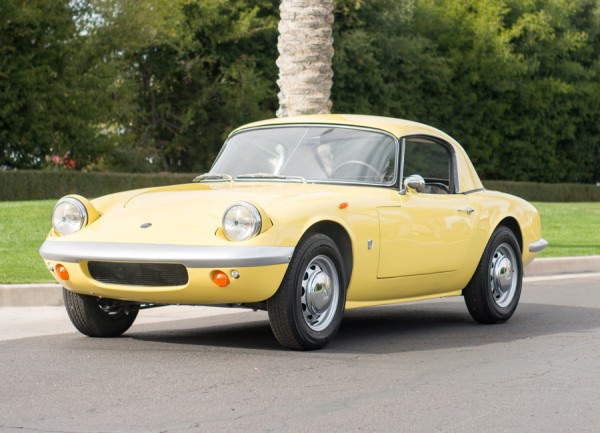 1965 Lotus Elan S2 ConvertibleIntroduced at the Earls Court Motor Show in October 1962, the Elan roadster followed the Colin Chapman principle of lightweight aerodynamic coachwork coupled with the suspension, brakes and transmission of a race car, and a remarkable new Lotus-Ford twin-cam engine to provide the power. To put this into perspective, this was a time when disc […]Read more
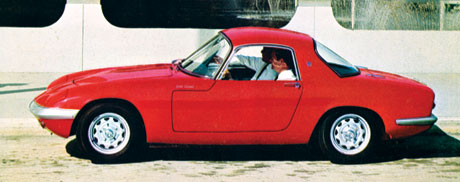 Worth the WeightThe Lotus Elan will forever be remembered as the ride of latex catsuit-wearing Diana Rigg as Emma Peel in the BBC spy show “The Avengers” Colin Chapman’s fanaticism about keeping weight off makes the average supermodel’s interest in the same subject seem merely casual. The results he achieved without materials like carbon fiber and the […]Read more
Cars For Sale
Quick links to listings for this make and model online:
Books on the Lotus Elan
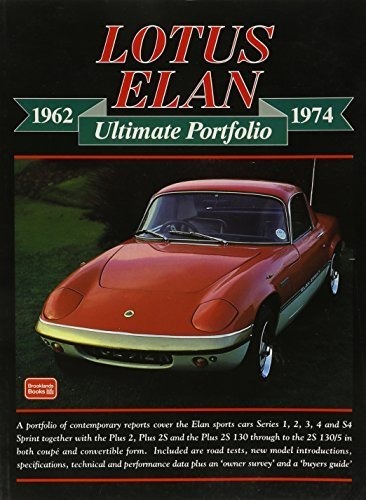
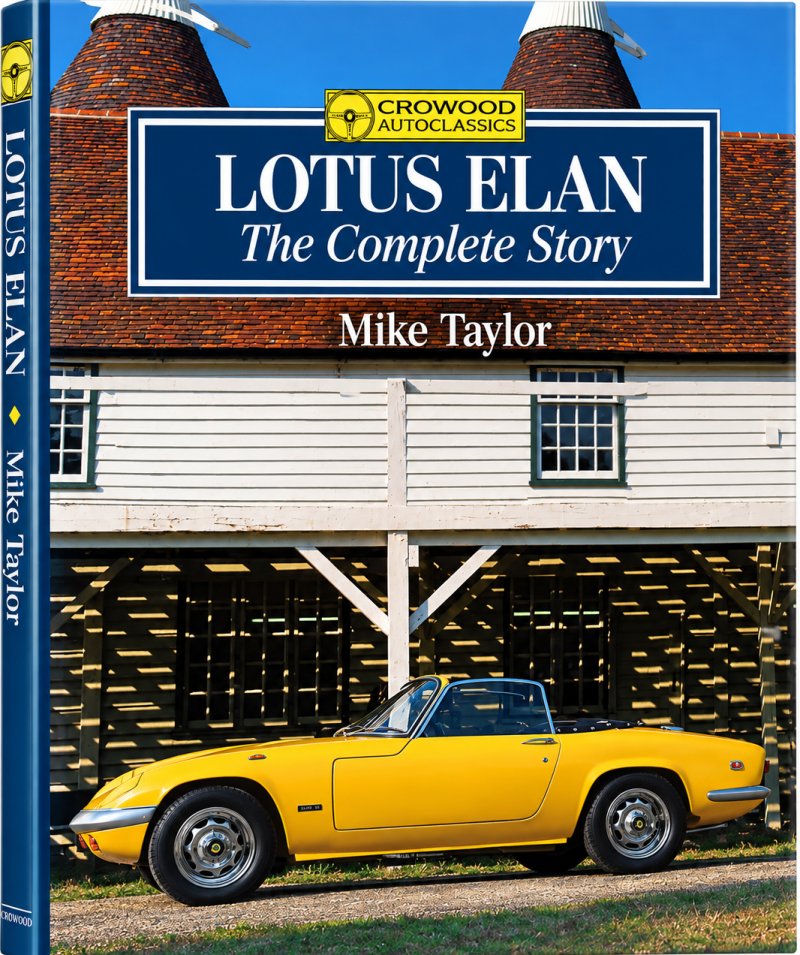
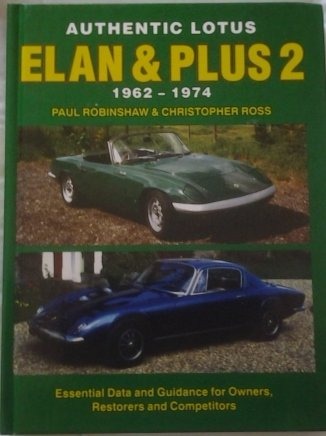
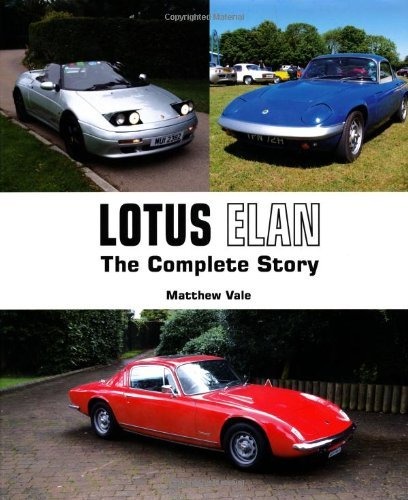
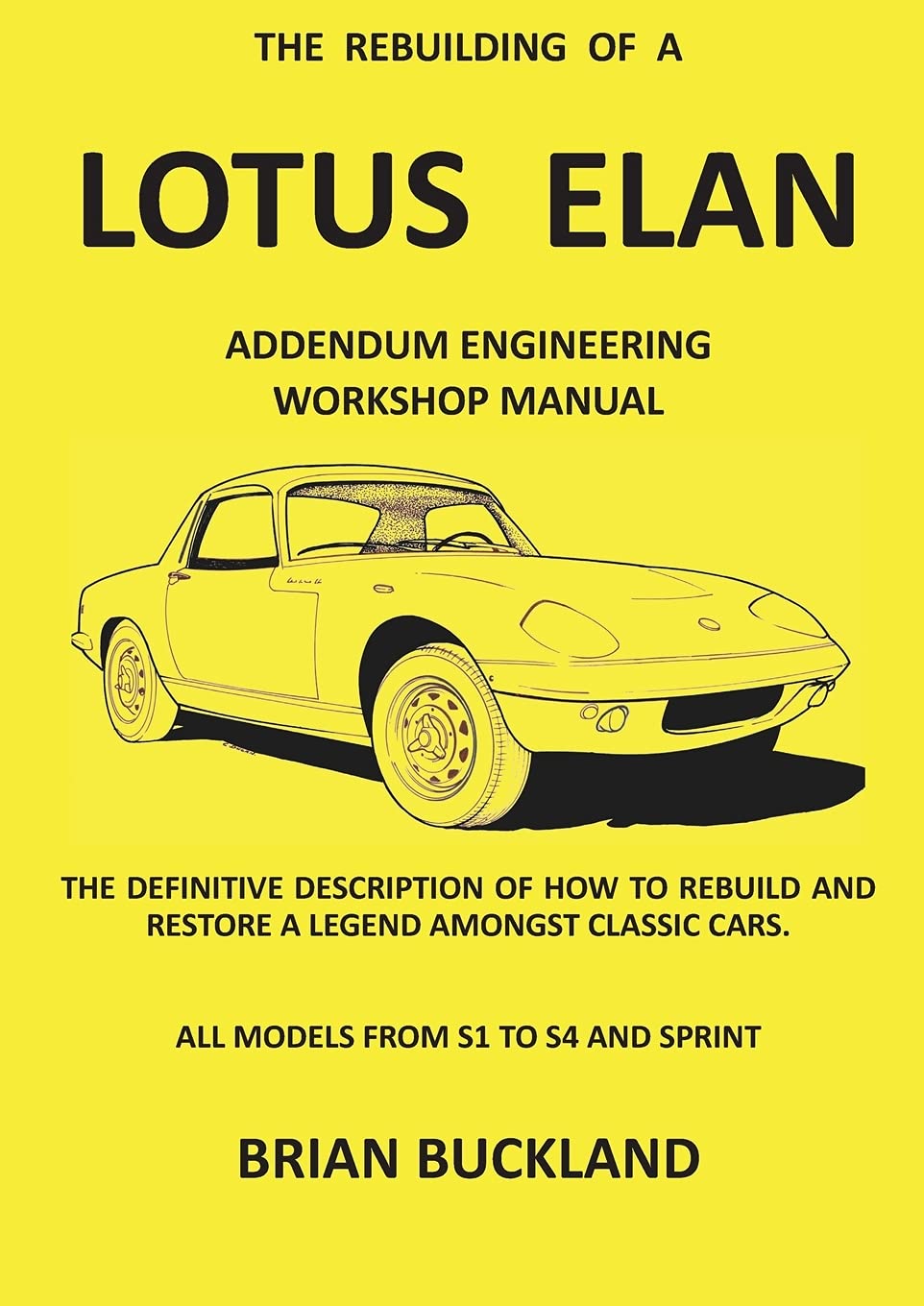
Note that as an Amazon Associate, we earn from qualifying purchases of the above books.
Past Auction Sales – Lotus Elan
Average Lotus Elan Sale Price by Year from SCM’s Platinum Auction Database:
Lotus Elan Sales from SCM’s Platinum Auction Database:

Bonhams Cars
Condition: 2-
Jul 11, 2025
$13,192

Bring a Trailer
Condition: 2-
Jun 1, 2025
$41,995

Bonhams Cars Online
Condition: 2
Feb 5, 2025
$39,392

Gooding & Co.
Condition: 3+
Dec 4, 2023
$60,500

Silverstone
Condition: 1-
Feb 25, 2023
$196,739

Bonhams
Condition: 3+
Sep 17, 2022
$30,124

Silverstone
Condition: 3+
May 28, 2022
$29,845

Artcurial
Condition: 3+
Jul 19, 2021
$58,905

Bring a Trailer
Condition: 1-
Jul 1, 2021
$25,725

Silverstone
Condition: 2+
May 22, 2021
$92,613

Bonhams
Condition: 3+
Oct 17, 2020
$51,980

H&H Auctioneers
Condition: 2
Jun 19, 2019
$36,824

H&H Auctioneers
Condition: 3+
Mar 20, 2019
$18,135

Silverstone
Condition: 2-
Feb 22, 2019
$41,611

Silverstone
Condition: 2+
Feb 22, 2019
$58,401

Silverstone
Condition: 2
Feb 23, 2018
$50,348

H&H Auctioneers
Condition: 3
Nov 15, 2017
$25,185

Bonhams
Condition: 3
Sep 2, 2017
$38,708

Brightwells
Condition: 3+
Apr 4, 2017
$24,450

H&H Auctioneers
Condition: 3+
Mar 29, 2017
$23,445

Bonhams
Condition: 2
Oct 3, 2016
$31,000

Silverstone
Condition: 2-
Sep 2, 2016
$35,866

Mecum Auctions
Condition: 3
Aug 18, 2016
$28,600

Bonhams
Condition: 2-
Mar 20, 2016
$39,985

Bonhams
Condition: 2
Mar 10, 2016
$60,500

Russo and Steele
Condition: 3
Jun 7, 2015
$48,400

H&H Auctioneers
Condition: 3+
Nov 12, 2014
$33,667

The Branson Auction
Condition: 4-
Oct 18, 2014
$16,200

H&H Auctioneers
Condition: 3
Apr 24, 2014
$169,266

H&H Auctioneers
Condition:
Apr 24, 2014
$44,197

H&H Auctioneers
Condition: 2-
Apr 24, 2014
$37,615

Silverstone
Condition:
Apr 12, 2014
$18,856

Anglia Car Auctions
Condition:
Apr 5, 2014
$19,141

Silverstone
Condition: 3
Feb 22, 2014
$19,564

Silverstone
Condition: 2
Feb 22, 2014
$70,009

Auctions America
Condition:
Aug 3, 2013
$27,500

H&H Auctioneers
Condition:
Jun 15, 2013
$8,224

Bonhams
Condition:
Apr 29, 2013
$25,817

Bonhams
Condition:
Mar 2, 2013
$15,560

Bonhams
Condition: 2-
Dec 3, 2012
$29,584

Bonhams
Condition: 2-
Nov 14, 2012
$30,998

Bonhams
Condition: 2+
Jun 29, 2012
$57,426

Bonhams
Condition:
Jun 29, 2012
$26,918

Silverstone
Condition:
May 12, 2012
$27,891

Silverstone
Condition: 3
Feb 25, 2012
$10,785

Silverstone
Condition: 1-
Feb 25, 2012
$37,050

Silverstone
Condition: 4
Feb 25, 2012
$7,132

H&H Auctioneers
Condition: 3
Feb 16, 2012
$5,171

H&H Auctioneers
Condition: 2-
Sep 21, 2011
$5,498

Bonhams
Condition: 1-
Sep 16, 2011
$51,736
See all 81 sales of Lotus Elan cars from SCM’s Platinum auction database.
Forums & Communities
Popular Videos about the Lotus Elan