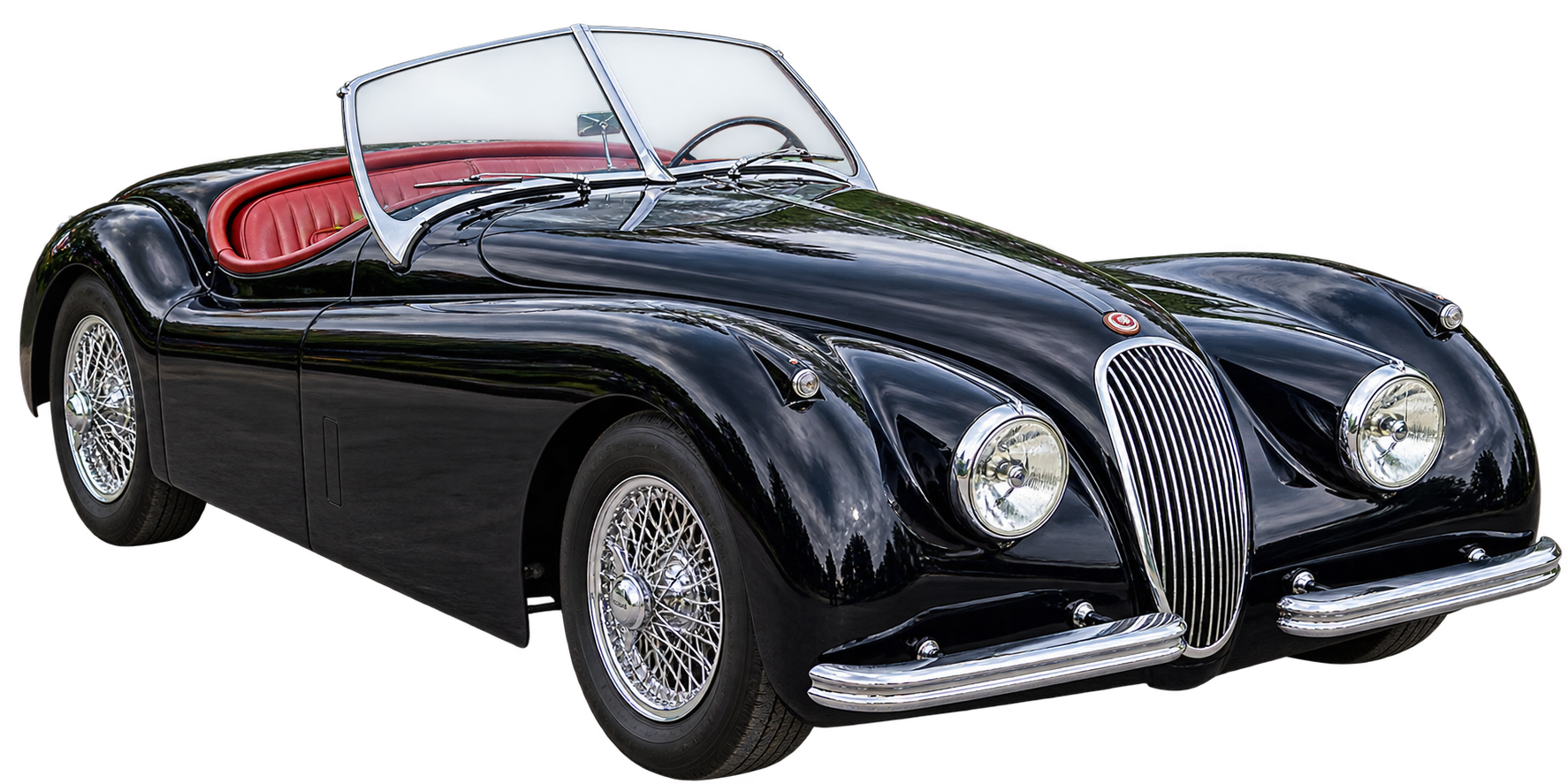
The Jaguar XK 120, produced from 1948 through 1954, was one of the most important British sports cars of the postwar era. Combining elegant styling, a sophisticated twin-cam straight-six engine and genuine 120-mph performance, it established Jaguar as an international manufacturer of high-performance sports cars. At its introduction, the XK 120 offered speed and engineering sophistication comparable with far more expensive European automobiles, making it an extraordinary value and a major commercial success.
The XK 120 was originally conceived as a limited-production showcase for Jaguar’s new 3.4-liter XK six-cylinder engine, but enthusiastic public reaction persuaded the company to put the car into regular production. Its sweeping fenders, long hood and low cockpit became defining features of British sports-car design, while its mechanical architecture provided the foundation for decades of Jaguar engines and sports cars.
Three principal body styles were produced: the Open Two-Seater (OTS), introduced in 1948; the Fixed Head Coupe (FHC), introduced in 1951; and the Drophead Coupe (DHC), introduced in 1953. Each offered a different balance of sporting character, comfort and weather protection. Production ended in 1954, when the XK 120 was replaced by the improved XK 140, but the original model’s influence continued through the XK 150, the C-Type and D-Type racing cars, and ultimately the E-Type.
The XK 120’s Origins
Jaguar emerged from World War II determined to establish itself as a manufacturer of sophisticated, high-performance automobiles. The company had previously produced sporting sedans and SS-badged sports cars, but its postwar ambitions required an entirely new engine capable of competing with the best European designs.
Under the leadership of William Lyons, Jaguar developed the XK engine during the war years, with significant engineering contributions from William Heynes, Walter Hassan and Claude Baily. The new engine was intended primarily for Jaguar’s forthcoming large sedan, but that car was not ready for introduction at the 1948 Earls Court Motor Show.
Lyons therefore commissioned a dramatic two-seat roadster to display the engine. The result was the XK 120, whose styling and performance generated such an enthusiastic response that Jaguar decided to manufacture it in substantial numbers.
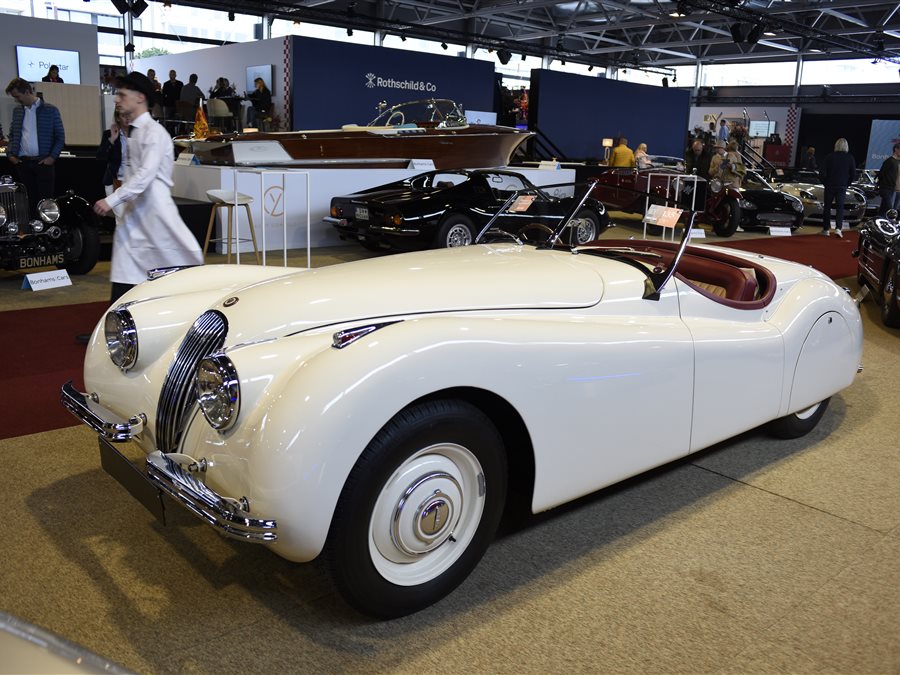
1949 Jaguar XK 120 roadster, from an auction on October 12th, 2025
The 1948 Earls Court Debut
The XK 120 debuted at the London Motor Show in October 1948, attracting enormous attention. Its flowing aluminum body, low windshield and exposed rear-wheel spats created an appearance unlike the more upright British sports cars then available.
The designation referred to the car’s claimed 120-mph maximum speed, an extraordinary figure for a production sports car costing considerably less than many exotic European competitors. Jaguar’s performance claims were supported by subsequent high-speed demonstrations, including a well-publicized 1949 run in Belgium in which a specially prepared XK 120 exceeded 130 mph with aerodynamic equipment fitted.
On May 30, 1949, on the Jabbeke highway in Belgium, Jaguar test driver Ron “Soapy” Sutton achieved an officially timed 132.6 mph (213.39 km/h) with the windshield removed and a metal tonneau cover fitted. When driven in full street trim (with the standard windshield up), it still hit 126.4 mph, proving the 120-mph claim was genuine.
The car’s combination of speed, beauty and relatively accessible pricing quickly generated orders far beyond Jaguar’s original expectations. What had begun as a temporary engine showcase became the company’s most important new sports car.
The 3.4-Liter XK Straight-Six
The XK 120 introduced Jaguar’s famous XK twin-cam inline-six, an engine that would remain in production in various forms for decades. The original version displaced 3,442cc, with an 83-mm bore and 106-mm stroke, and featured a cast-iron cylinder block with an aluminum cylinder head.
Dual overhead camshafts operated two valves per cylinder through a hemispherical combustion-chamber arrangement. The engine used a seven-main-bearing crankshaft, a sophisticated design that contributed to smooth operation and durability at sustained high speeds.
In standard XK 120 specification, the engine produced approximately 160 horsepower at 5,000 rpm. That output was remarkable for a production British sports car in 1948, particularly because the engine was flexible enough for ordinary road use rather than being tuned exclusively for racing.
Twin SU Carburetors
Standard 1948–54 XK 120s used twin SU carburetors, providing a relatively straightforward induction system capable of supporting the engine’s substantial output. The constant-depression design allowed smooth fuel delivery across a wide operating range and contributed to the XK engine’s excellent flexibility.
When properly adjusted, the carburetors provide smooth idle, progressive throttle response and strong acceleration. Problems arise from worn throttle shafts, incorrect needle selection, deteriorated diaphragms or seals where applicable, and poorly synchronized settings.
The original air-cleaner arrangement is also important for authenticity. Many XK 120s received aftermarket air filters or performance carburetor modifications during their lives, and returning such cars to correct factory specification can require sourcing increasingly valuable original components.
The XK Engine’s Character
The XK straight-six is central to the XK 120 driving experience. Its long stroke produces substantial torque at relatively low engine speeds, while the twin-cam cylinder head allows it to continue pulling strongly toward its power peak.
Unlike many contemporary sports-car engines, the XK unit does not require constant high-rpm operation to deliver useful performance. It is equally comfortable accelerating from modest speeds in a high gear or being worked harder through the four-speed transmission.
The engine’s smoothness and distinctive exhaust note became defining Jaguar characteristics. Later XK engines would power the XK 140, XK 150, Mark-series sedans, E-Type and numerous racing cars, making the XK 120 the starting point for one of the most successful engine families in British automotive history.
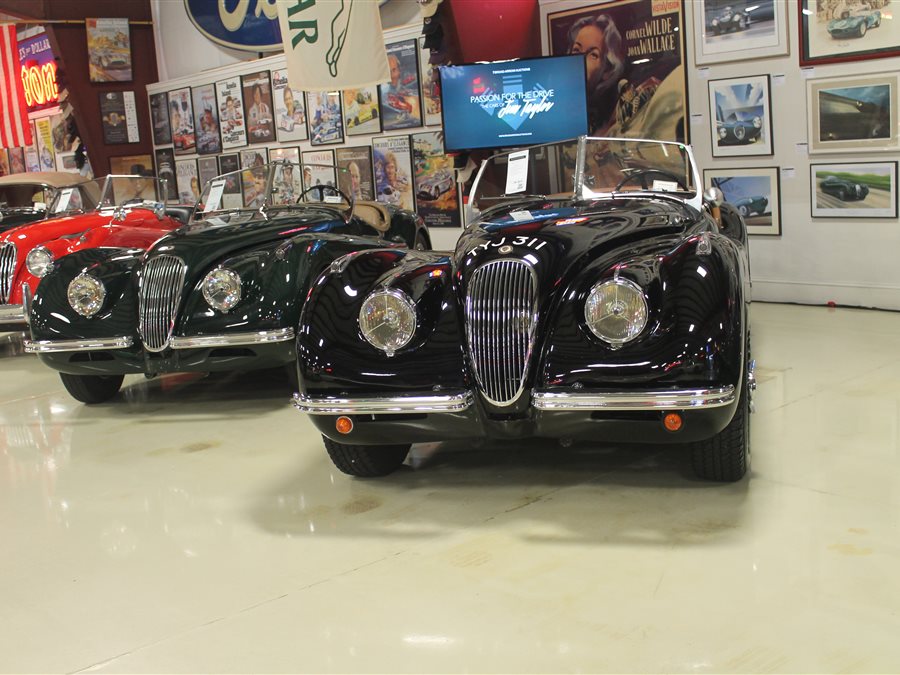
1950 Jaguar XK 120 Alloy Roadster, from an auction on October 14th, 2022
The 1948–50 Alloy-Bodied XK 120
The earliest XK 120 Open Two-Seaters, produced from late 1948 into 1950, used aluminum body panels over a wooden framework mounted to a separate steel chassis. These cars are commonly called alloy XK 120s, distinguishing them from the later steel-bodied production cars.
Jaguar initially expected to build only a limited number of XK 120s, making hand-formed aluminum construction practical. Jaguar’s official production archives record exactly 242 hand-built alloy-bodied cars (240 production roadsters plus 2 prototypes) before the factory transitioned to steel bodies in April 1950.
The alloy cars are particularly important to collectors because they represent the original construction method and earliest production specification. Their combination of low production numbers, historical significance and relatively light construction makes them among the most desirable XK 120 variants.
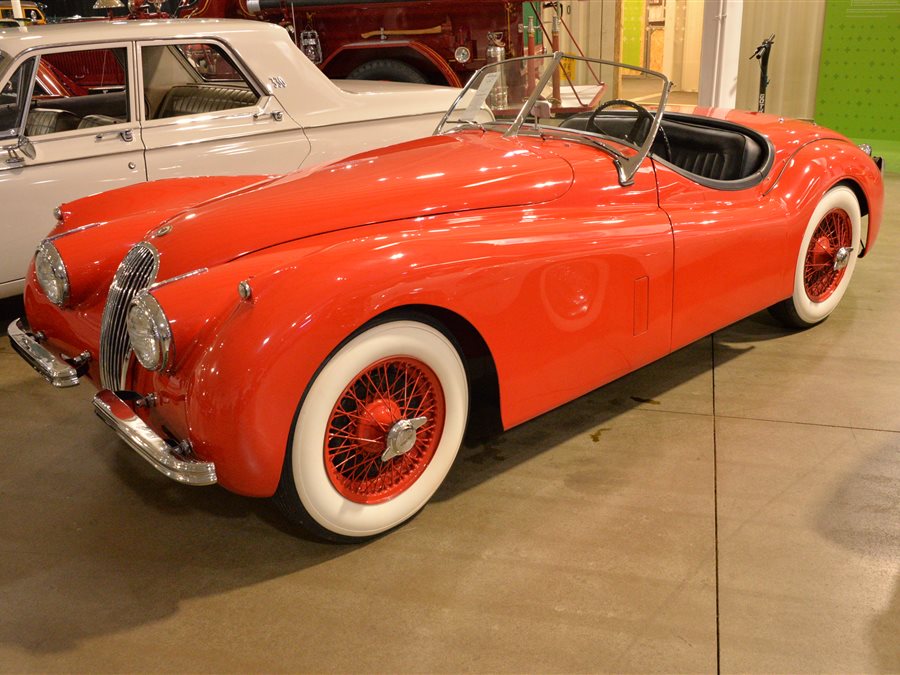
1954 Jaguar XK 120 SE roadster, from an auction on August 28th, 2025
The 1950–54 Steel-Bodied XK 120
As orders increased, Jaguar introduced a steel-bodied XK 120 during 1950, allowing substantially greater production volume. The new bodies retained the original styling almost unchanged, but steel panels and revised manufacturing methods made the cars more practical to produce consistently.
The steel-bodied roadsters continued through 1954 and account for the great majority of XK 120 Open Two-Seater production. They are generally more accessible to collectors than the early alloy cars while offering essentially the same engine, chassis layout and driving experience.
Although the steel body added weight, the XK 120 remained exceptionally fast by early-1950s standards. Its performance, styling and relatively modest price made it particularly successful in export markets, especially the United States.
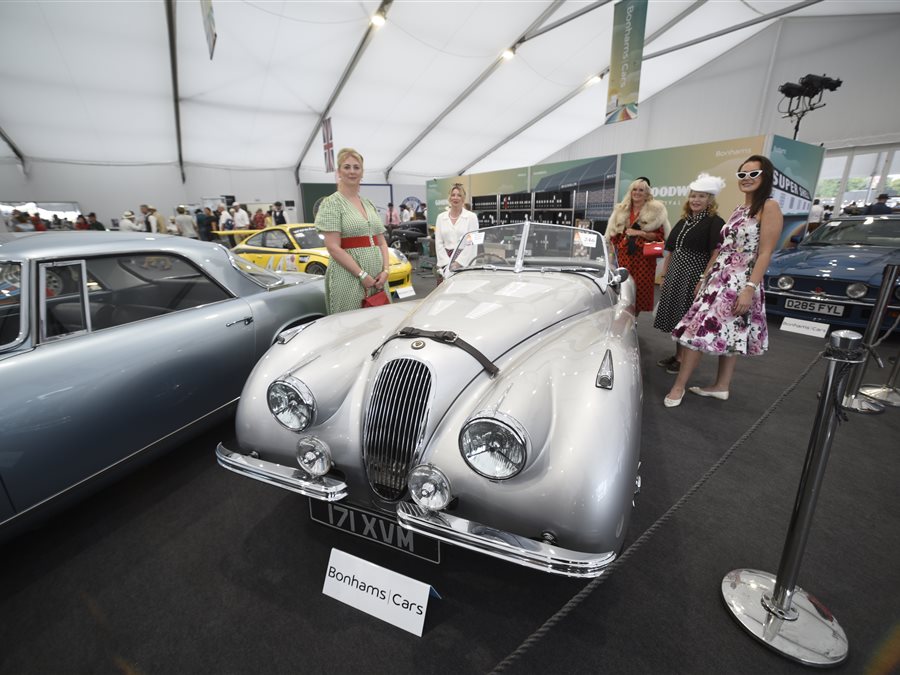
1954 Jaguar XK 120 Open Two Seater SE Broadsport roadster, from an auction at the Goodwood Revival on September 9th, 2023
The XK 120 Open Two-Seater: 1948–54
The Open Two-Seater, or OTS, was the original XK 120 body style, introduced in 1948 and produced through 1954. Often called the roadster, it featured a low windshield, removable side curtains and a relatively simple folding top.
The OTS was the lightest and most overtly sporting version of the XK 120. Its low doors and open cockpit emphasized the car’s racing-inspired character, while the minimal weather protection reflected its intended role as a high-performance sports car rather than a luxurious touring automobile.
Early OTS cars were particularly austere, although equipment and trim improved during production. The roadster’s combination of low weight, open-air driving and direct connection to the original 1948 show car makes it especially appealing to enthusiasts.
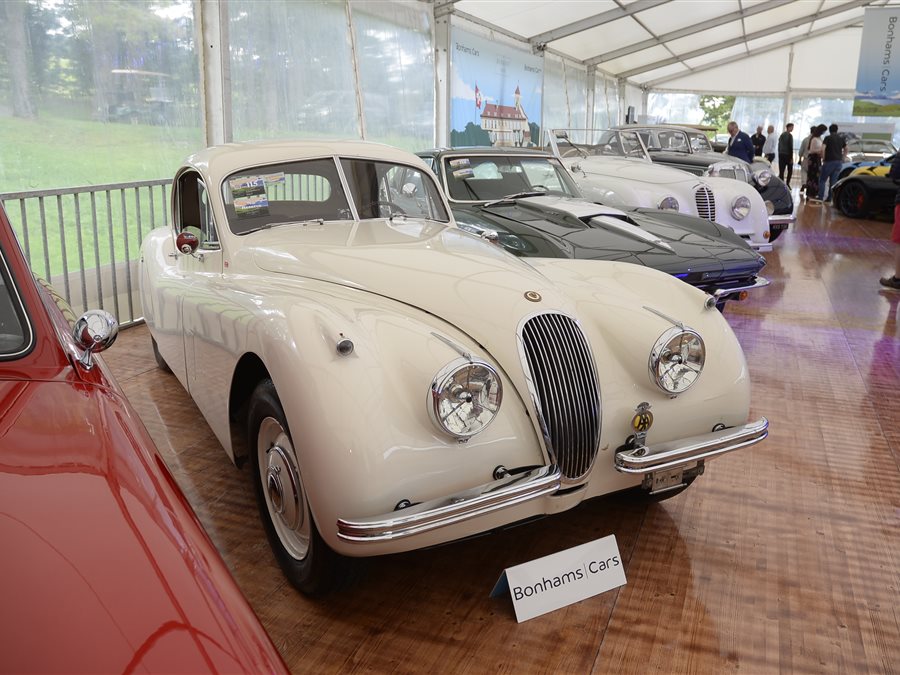
1952 Jaguar XK 120 coupe, from an auction on June 30th, 2024
The XK 120 Fixed Head Coupe: 1951–54
Jaguar introduced the XK 120 Fixed Head Coupe (FHC) in 1951, adding a permanent steel roof and a more refined interior. The coupe retained the XK 120’s flowing front-end styling but incorporated a graceful roofline and larger enclosed passenger compartment.
The FHC offered significantly better weather protection and greater comfort than the roadster. Its interior featured more substantial trim, wood veneer and improved seating, making it particularly suitable for long-distance touring.
The fixed roof also contributed to a more substantial body structure, although the additional weight reduced some of the roadster’s agility. For collectors who intend to use their XK 120 regularly, the 1951–54 FHC offers an attractive combination of classic Jaguar styling and improved practicality.
The XK 120 Drophead Coupe: 1953–54
The XK 120 Drophead Coupe (DHC), introduced in 1953 and produced through 1954, combined open-air motoring with the more luxurious interior and improved weather protection of the Fixed Head Coupe.
Unlike the OTS roadster, the DHC used a more substantial folding convertible top, wind-up side windows and a more refined cabin. The result was a car better suited to touring in variable weather while retaining the ability to drive with the roof lowered.
The DHC was heavier than the roadster, but its additional comfort made it particularly appealing to buyers who wanted a sophisticated open grand tourer. Because it was offered for only the final two years of XK 120 production, it is less common than the OTS.
The XK 120 Special Equipment Models
Jaguar introduced higher-performance Special Equipment (SE) versions of the XK 120 during the early 1950s, generally associated with the 1951–54 production period. These cars were known in the United States as XK 120 M models.
The SE specification included a higher-output engine producing approximately 180 horsepower, compared with 160 horsepower for the standard model. The additional power came from revised camshafts, valve springs and related engine changes.
Other equipment included wire wheels, upgraded suspension components and a dual exhaust system, although exact specifications varied by body style, market and production date. The SE cars provided a useful performance increase without fundamentally changing the XK 120’s road-going character.
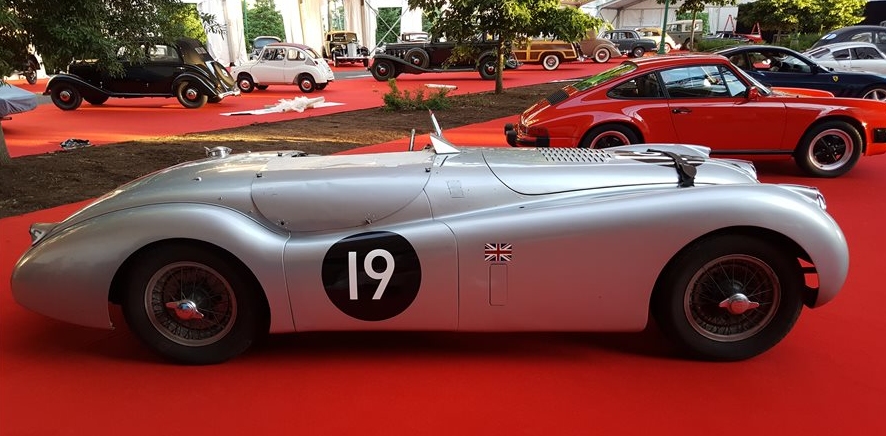
1954 Jaguar XK 120 M racer, from an auction at Hershey on June 11th, 2016
The XK 120 M
In the United States, the XK 120 M designation became closely associated with the higher-performance Special Equipment models of the early 1950s. The M specification appealed strongly to American enthusiasts who were increasingly using Jaguar sports cars in road racing and other competition.
The 180-horsepower engine provided stronger acceleration and greater flexibility at higher speeds. Wire wheels and other sporting equipment also gave the car a more aggressive appearance than the standard steel-wheel XK 120.
Authenticity matters because many standard cars have been upgraded over the decades with SE-style components. Engine numbers, cylinder-head specifications, camshafts and original factory records should be examined before accepting a car as a genuine factory SE or M model.
The C-Type Cylinder Head
One of the most desirable period performance upgrades for the XK engine was the C-Type cylinder head, developed from Jaguar’s racing experience with the C-Type sports racer. It incorporated revised porting and valve arrangements intended to improve airflow and power output. When fitted with the optional C-Type cylinder head (distinguished by red paint in the valley between the cam covers and a “C” casting mark), output increased further to 190 hp @ 5,500 rpm.
The C-Type head became available as a factory performance option on later XK models and was also fitted to numerous XK 120s during their competition careers or subsequent restoration. However, a C-Type-headed XK 120 should not automatically be assumed to have been delivered that way from the factory.
For collectors, distinguishing a documented period installation from a later modification is important. The C-Type head can improve performance and historical interest, but its presence alone does not establish a special factory specification.
Chassis Construction
The XK 120 uses a separate steel ladder-type chassis, providing a substantial structure beneath the body. This approach was conventional for the period but was carefully engineered to accommodate the powerful XK engine and relatively low sports-car body.
The chassis uses boxed and reinforced sections to provide rigidity, while the engine sits well back within the long front compartment. The layout contributes to the car’s characteristic proportions and relatively balanced weight distribution.
Because the body is separate from the chassis, extensive restoration is possible, but corrosion and accident damage can affect alignment and structural integrity. Chassis condition should be evaluated carefully, particularly around suspension mounting points and areas where moisture can accumulate.
Front Suspension
The XK 120 uses independent front suspension with unequal-length wishbones and longitudinal torsion bars. This was a sophisticated arrangement for a British production sports car introduced in 1948 and contributed significantly to the Jaguar’s excellent ride and road holding.
The torsion bars provide springing without requiring large coil springs, allowing a relatively low front body profile. Hydraulic dampers control suspension movement, while the double-wishbone geometry maintains reasonably consistent wheel alignment through suspension travel.
Worn bushings, ball joints and torsion-bar mounting components can affect handling and ride height. Correct suspension setup is particularly important because the XK 120’s steering and braking characteristics depend heavily on proper front-end geometry.
Rear Suspension
The XK 120 uses a live rear axle located by semi-elliptic leaf springs, a conventional arrangement that was robust and suitable for the car’s substantial engine torque.
Although less sophisticated than the independent rear suspension Jaguar would introduce on later sports cars, the live axle provides predictable behavior when correctly maintained. The long wheelbase and relatively compliant springing help the car remain stable at high speeds.
Worn spring bushings, damaged dampers or incorrect ride height can introduce axle movement and reduce handling precision. A properly restored XK 120 should feel stable and progressive rather than excessively harsh or unpredictable.
Steering
The XK 120 uses a recirculating-ball steering system, rather than the rack-and-pinion arrangement found on many later sports cars. Steering effort is relatively high at low speeds, particularly on cars fitted with wider tires.
Once moving, the steering becomes more communicative, although it lacks the immediacy of a lightweight Lotus or later Jaguar E-Type. The long hood and relatively substantial front-end weight contribute to a more deliberate driving character.
Wear in the steering box, linkage and suspension joints can produce excessive free play. A properly adjusted system should provide reasonable precision without binding, but owners should not expect modern rack-and-pinion response.
Drum Brakes
All production 1948–54 XK 120s used hydraulic drum brakes at all four wheels. The brakes were substantial for their time and capable of stopping the car effectively under normal road conditions.
However, repeated hard braking can produce fade, particularly during mountain driving or competition. This limitation became increasingly apparent as Jaguar developed more powerful racing cars, contributing to the company’s later adoption of disc brakes on the C-Type.
For road use, correctly rebuilt drum brakes are generally adequate, but adjustment and friction-material selection are important. Some owners install disc-brake conversions, although such modifications reduce originality and should be evaluated according to the intended use of the car.
Wire Wheels and Steel Wheels
Early 1948–54 XK 120s were commonly fitted with steel disc wheels and removable rear-wheel spats. This combination gave the car its particularly smooth, flowing appearance.
Wire wheels became an important feature of the Special Equipment models and were also fitted to many cars as options or later upgrades. Because the center-lock wire wheels required different hubs, conversion involves more than simply changing the wheels themselves.
The rear-wheel spats generally cannot be used with the projecting center-lock hubs of wire-wheel cars. Consequently, the choice between steel wheels with spats and exposed wire wheels significantly affects the XK 120’s appearance.
Factory wire-wheel cars used open, non-spatted rear fender arches with a distinct beaded chrome trim edge around the wheel cutout to clear the central knock-off spinner.
For collectors, original wheel specification should be established through factory records where possible. Both configurations are historically appropriate, but a car retaining its original equipment has particular appeal.
The Four-Speed Manual Transmission
The XK 120 uses a four-speed manual transmission, with synchromesh on the upper three forward gears and an unsynchronized first gear. Note that the synchromesh on 2nd, 3rd, and 4th gears was notoriously slow and weak. Drivers routinely double-clutched on all downshifts to prevent gear clash—treating it in practice like a non-synchro box.
The engine’s substantial torque reduces the need for constant gear changes, allowing the car to accelerate strongly in third and fourth gears. At highway speeds, however, the relatively short gearing can produce higher engine rpm than modern drivers expect.
Some cars were fitted with overdrive units or later five-speed conversions, improving long-distance cruising. These changes can make an XK 120 more usable in modern traffic, but they should be documented and distinguished from original factory specification.
Differential and Final Drive
The XK 120’s rear axle uses a conventional hypoid differential, with final-drive ratios varying according to market and specification. The gearing was selected to provide a balance between acceleration and the high maximum speed implied by the XK 120 name.
A relatively low numerical axle ratio allows relaxed high-speed cruising but can reduce acceleration, while a higher numerical ratio provides stronger response at the expense of engine speed on the highway.
Differential condition should be checked for noise, excessive backlash and oil leakage. Replacement parts are generally available through Jaguar specialists, but rebuilding the original axle correctly requires appropriate setup and measurement.
The XK 120 in Competition
The XK 120 quickly became successful in international sports-car racing, particularly in the hands of private owners. Its combination of strong engine performance, good handling and relatively modest purchase price made it attractive to drivers who could not afford specialized racing machinery.
The car achieved notable results in endurance events, rallies and circuit racing during the early 1950s. Its competition success helped establish Jaguar’s sporting reputation in the United States, where road racing was rapidly gaining popularity.
The XK 120 also provided the mechanical foundation for Jaguar’s first purpose-built postwar sports racer, the C-Type. The lessons learned from racing production XK 120s directly influenced Jaguar’s subsequent competition development.
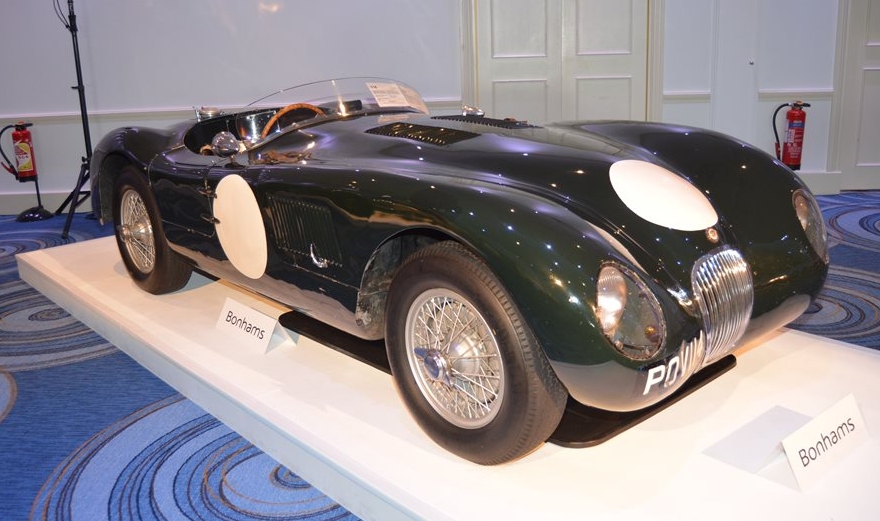
1953 Jaguar C-type racer, from an auction in Monaco on May 13th, 2016
The XK 120 and the C-Type
The Jaguar C-Type, introduced in 1951, used a development of the XK 120’s engine but combined it with a purpose-built lightweight tubular chassis and aerodynamic bodywork. It was designed specifically for endurance racing rather than road use.
The C-Type won the 24 Hours of Le Mans in 1951 and 1953, establishing Jaguar as a major international racing force. Its 1953 victory also demonstrated the effectiveness of disc brakes in high-speed competition.
Although the C-Type was mechanically distinct from the XK 120, the relationship between the two cars is fundamental to Jaguar history. The XK 120 introduced the engine and performance philosophy that made the C-Type possible.
The XK 120 at Le Mans
Jaguar entered XK 120-based cars in major endurance events during the early 1950s, using competition experience to refine the engine, cooling system and chassis.
The production XK 120 was not ultimately intended to be a dedicated Le Mans racer, but its early performance demonstrated the potential of the XK engine. Jaguar recognized that a lighter, more aerodynamic chassis could exploit that power much more effectively.
This realization led directly to the C-Type program and subsequently the D-Type, which would dominate Le Mans during the mid-1950s. The XK 120 therefore occupies an essential position in the development of Jaguar’s most successful racing cars.
The XK 120 in America
The United States became the XK 120’s most important export market, and American demand played a major role in the car’s commercial success. Its combination of exotic styling, high performance and relatively affordable pricing made it especially attractive to enthusiasts accustomed to larger domestic automobiles.
The XK 120 was also instrumental in establishing Jaguar’s American dealer network and reputation. Buyers who might never have considered a British luxury sedan were attracted by the sports car’s appearance and performance.
American racing enthusiasts quickly recognized the XK 120’s potential. The car became a familiar sight at early SCCA events, where it competed against European sports cars and modified domestic machinery.
Body Construction and Corrosion
The XK 120’s body construction varies according to production period. The earliest 1948–50 alloy roadsters used aluminum panels over a wooden framework, while later cars employed steel body panels with various supporting structures. Unlike Morgan or prewar Ash-framed cars, the XK 120 alloy body was not a full wooden superstructure. It used an aluminum skin attached to a steel bulkheaded structure with ash wood inserts and floorboard supports used primarily for panel tacking and floor mounting.
Steel-bodied cars are vulnerable to corrosion in rocker panels, floors, wheel arches, door bottoms, trunk areas and other moisture-trapping locations. Rust can also affect the chassis, particularly around suspension mounts and boxed sections.
The alloy-bodied cars avoid conventional steel-panel corrosion but introduce other concerns involving the wooden framework, aluminum oxidation and the interaction between dissimilar metals.
Because body restoration is labor intensive, structural condition is one of the most important factors when evaluating an XK 120. A car with an excellent engine but extensive hidden corrosion can require a restoration costing far more than its purchase price.
Alloy-Body Restoration
The early 1948–50 alloy-bodied XK 120s require specialized restoration techniques because their aluminum panels were hand formed and fitted to wooden body structures.
Aluminum can crack or distort, while the underlying wood can deteriorate through moisture exposure or age. Repairing the body correctly requires understanding how the panels were originally shaped and attached.
Original alloy panels and body framing are historically significant, particularly because only approximately 240 alloy XK 120s were built. Extensive replacement of original material can affect collector value even when the finished restoration appears visually perfect.
Steel-Body Restoration
The later 1950–54 steel-bodied XK 120s are generally more straightforward to restore than the alloy cars, but correct panel alignment remains challenging. The long hood, flowing fenders and large doors require careful fitting to preserve the original appearance.
Rust repairs frequently extend beyond visible damage, particularly in rocker structures and areas where panels overlap. Poorly executed repairs can distort door openings or create uneven gaps.
A properly restored XK 120 should have consistent panel alignment, correct body contours and doors that close without excessive force. Photographic documentation of metalwork is particularly valuable when evaluating a completed restoration.
Interior and Trim
The XK 120’s interior reflects its development from a relatively simple sports roadster into a more luxurious grand tourer. Early 1948–50 OTS cars featured basic trim, leather seats and relatively sparse equipment.
The 1951–54 Fixed Head Coupe introduced a more elaborate cabin, with wood veneer, improved seating and greater sound insulation. The 1953–54 Drophead Coupe adopted similar luxury features while retaining a folding roof.
Original interior materials are increasingly important to collectors. Leather colors, carpeting, wood finishes and instrument layouts varied by body style and production period, making accurate restoration dependent upon knowledge of the specific car.
Instruments and Dashboard
The XK 120’s dashboard combines traditional British sports-car styling with clear, functional instrumentation. Large speedometer and tachometer dials dominate the instrument panel, while smaller gauges monitor engine temperature, oil pressure, fuel level and electrical operation. Early roadsters used a simpler dashboard treatment than the more luxurious coupes. The FHC and DHC incorporated additional wood trim and more substantial interior fittings.
Original instruments can deteriorate with age, producing inaccurate readings or intermittent operation. Restoration should preserve correct dial faces, markings and finishes rather than substituting modern-looking components that alter the car’s character.
Cooling-System Concerns
The XK engine is durable when properly maintained, but cooling-system condition is critical. The long cast-iron block and aluminum cylinder head can suffer expensive damage if the engine overheats. Radiator condition, water pump, thermostat, hoses and fan operation should all be inspected. Sediment accumulation within the engine and radiator can reduce cooling efficiency, particularly on cars that have spent long periods in storage.
Some owners fit upgraded radiators or electric cooling fans to improve performance in modern traffic. Such modifications can be useful, but they should be installed carefully and should not be used to conceal underlying engine or cooling-system problems.
Cylinder-Head Issues
The XK engine’s aluminum cylinder head is sophisticated but can be vulnerable to damage from overheating or improper maintenance. Warping, corrosion around coolant passages and head-gasket failure are possible on neglected engines. Correct head installation requires attention to surface condition, gasket selection and tightening procedures. Valve clearances are adjusted using shims, and proper camshaft timing is essential for smooth running and full performance.
Original cylinder-head identity can also affect collector value, particularly on Special Equipment cars and examples with documented competition histories. Replacement heads are not uncommon, making engine-number and component verification worthwhile.
Engine Rebuilding
Rebuilding an XK 120 engine requires specialist knowledge but is generally less difficult than restoring many rare prewar competition engines. Parts availability remains relatively good because the XK engine family was produced for decades. Nevertheless, the early 3.4-liter engine has specific characteristics that should not be overlooked. Correct crankshaft clearances, timing-chain setup, cylinder-head assembly and cooling-system preparation are essential.
A properly rebuilt XK engine should provide smooth power, strong oil pressure and reliable operation over long distances. Excessive smoke, persistent overheating or significant mechanical noise should not be dismissed as normal characteristics of an early Jaguar.
Electrical System
The XK 120 uses a relatively simple 12-volt electrical system, but age can create numerous problems involving wiring, grounds, switches and charging components. Original wiring insulation can deteriorate, particularly in engine compartments exposed to heat and oil. Corroded connectors and poor grounds can cause intermittent lighting, instrument and starting problems.
Many cars have been rewired during restoration, and the quality of that work is important. Correctly routed and protected wiring improves reliability while preserving the original appearance.
Fuel System
The XK 120’s fuel system includes a rear-mounted tank, electric fuel pump and associated lines feeding the carburetors. Long periods of storage can produce corrosion or sediment within the tank, while deteriorated hoses and seals can create leaks.
The original SU electric fuel pump can suffer from worn points or electrical problems, although modern electronic replacements are available. Some owners retain the original external appearance while installing updated internal components.
Fuel-system condition should be evaluated carefully because leaks near hot exhaust components create an obvious safety concern. A car that has been stored for years should have its tank, lines and carburetors inspected before regular use.
Modifications and Upgrades
The XK 120 has been modified extensively over the decades, particularly because many cars were used in competition or long-distance touring. Common changes include disc-brake conversions, five-speed transmissions, upgraded cooling systems, electronic ignition and improved suspension components.
Some modifications make the car more practical for modern use, while others can reduce historical authenticity. A carefully executed five-speed conversion, for example, may improve highway cruising without fundamentally altering the driving experience.
For collector-quality cars, reversible modifications are generally preferable. Original components should ideally remain with the vehicle, particularly on alloy-bodied cars, genuine Special Equipment models and examples with documented racing histories.
Understanding the Major Jaguar XK 120 Variants
- XK 120 Open Two-Seater, alloy body (1948–50): Earliest roadster configuration, using aluminum body panels over a wooden framework. Approximately 240 were produced, making these the rarest regular-production XK 120s.
- XK 120 Open Two-Seater, steel body (1950–54): Main production roadster, retaining the original styling and 3.4-liter XK engine with approximately 160 horsepower in standard form.
- XK 120 Fixed Head Coupe (1951–54): Closed coupe with improved weather protection, more luxurious interior trim and greater long-distance touring comfort.
- XK 120 Drophead Coupe (1953–54): Convertible grand tourer combining a substantial folding roof, wind-up windows and the more refined interior of the FHC.
- XK 120 Special Equipment / XK 120 M (early 1950s–54): Higher-performance specification with approximately 180 horsepower, revised engine components and additional sporting equipment.
- Competition-modified XK 120s (1949–54): Factory-supported and privately prepared racing cars, often incorporating engine, suspension, brake and body modifications.
The XK 120 was succeeded by the XK 140 in 1954, which introduced additional interior space, revised chassis details and higher engine output. The XK 150 followed in 1957, completing the original XK sports-car family before the E-Type appeared in 1961.
What Matters to Collectors
For any 1948–54 XK 120, body and chassis condition are among the most important considerations. Mechanical components are relatively well supported by specialists, but extensive corrosion or poorly repaired accident damage can require enormous expenditure.
The 1948–50 alloy-bodied roadsters occupy a special category because of their rarity and historical significance. Original aluminum panels, wooden framework, early production details and documented history are particularly important.
For the more numerous 1950–54 steel-bodied OTS cars, originality, color combination, engine identity and restoration quality strongly influence desirability. Cars retaining their original steel wheels and rear spats have a different character from wire-wheel examples, and both configurations can be appealing when historically correct.
The 1951–54 FHC and 1953–54 DHC offer greater touring practicality, but their more elaborate interiors and weather-sealing systems introduce additional restoration considerations. Correct wood trim, upholstery and roof mechanisms are important.
Genuine Special Equipment or M models deserve careful authentication because standard cars have frequently been upgraded with similar components. Factory records, engine numbers and original equipment documentation are more reliable than appearance alone.
Competition history can significantly increase historical interest, but modifications should be documented. A car that raced extensively in period may legitimately differ from its original delivery specification, while a modern replica of a famous racing XK 120 should not be confused with the original competition car.
Important Sales Reviewed by SCM Experts
In each month’s issue for the past 38 years, SCM’s analysts have reviewed 5 to 7 significant cars sold at auction, and discuss what options, history, or details made that particular more or less valuable. They give their expert opinion on the market for these cars, and whether this car was well bought or well sold. If you’re thinking of purchasing a Jaguar XK 120, you’ll likely find these profiles critical in helping you make the right decision. Each of the following is an article from our print magazine on a Jaguar XK 120 sold at auction.
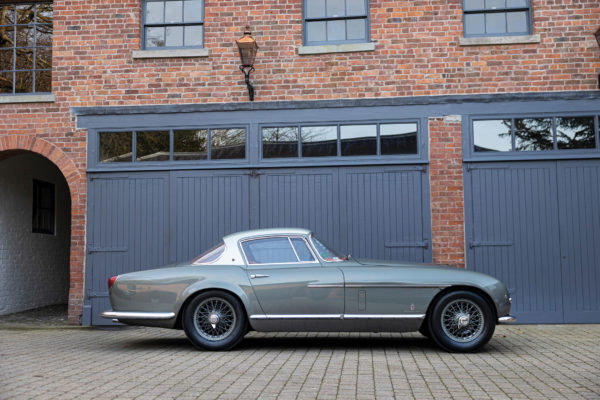 1954 Jaguar XK 120 SE CoupéArguably the most famous of all the rebodied Jaguar XK 120s, this solitary example by Carrozzeria Pinin Farina was dispatched new as a standard SE roadster to Max Hoffman (Jaguar’s U.S. East Coast distributor) in New York in May 1954. The accompanying Jaguar Heritage Trust certificate reveals that the car left the Browns Lane factory […]Read more
 1949 Jaguar XK 120 Alloy RoadsterThe few alloy-bodied cars were essentially prototypes sold to raise desperately needed foreign currency for the factory design team During the difficult period after World War II, Jaguar Cars became the United Kingdom’s biggest U.S.-dollar earner, thanks in no small measure to the success of its XK120 sports car. Ironically, the XK120’s creation had […]Read more
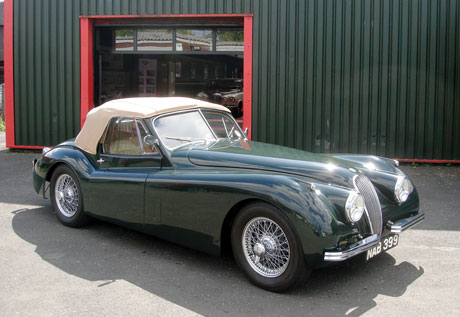 1954 Jaguar XK 120 SE Drophead CoupeThis XK 120 drophead coupe is number 266 of just 294 right-hand-drive examples (out of 1,769 DHC cars) produced. The drophead model run was from April 1953 to August 1954. Equipped with the “SE” option package and C-type cylinder head, this example sports the 3/8-inch lift cams, lightened flywheel and damper, dual exhausts, and wire […]Read more
Cars For Sale
Quick links to listings for this make and model online:
Books on the Jaguar XK 120
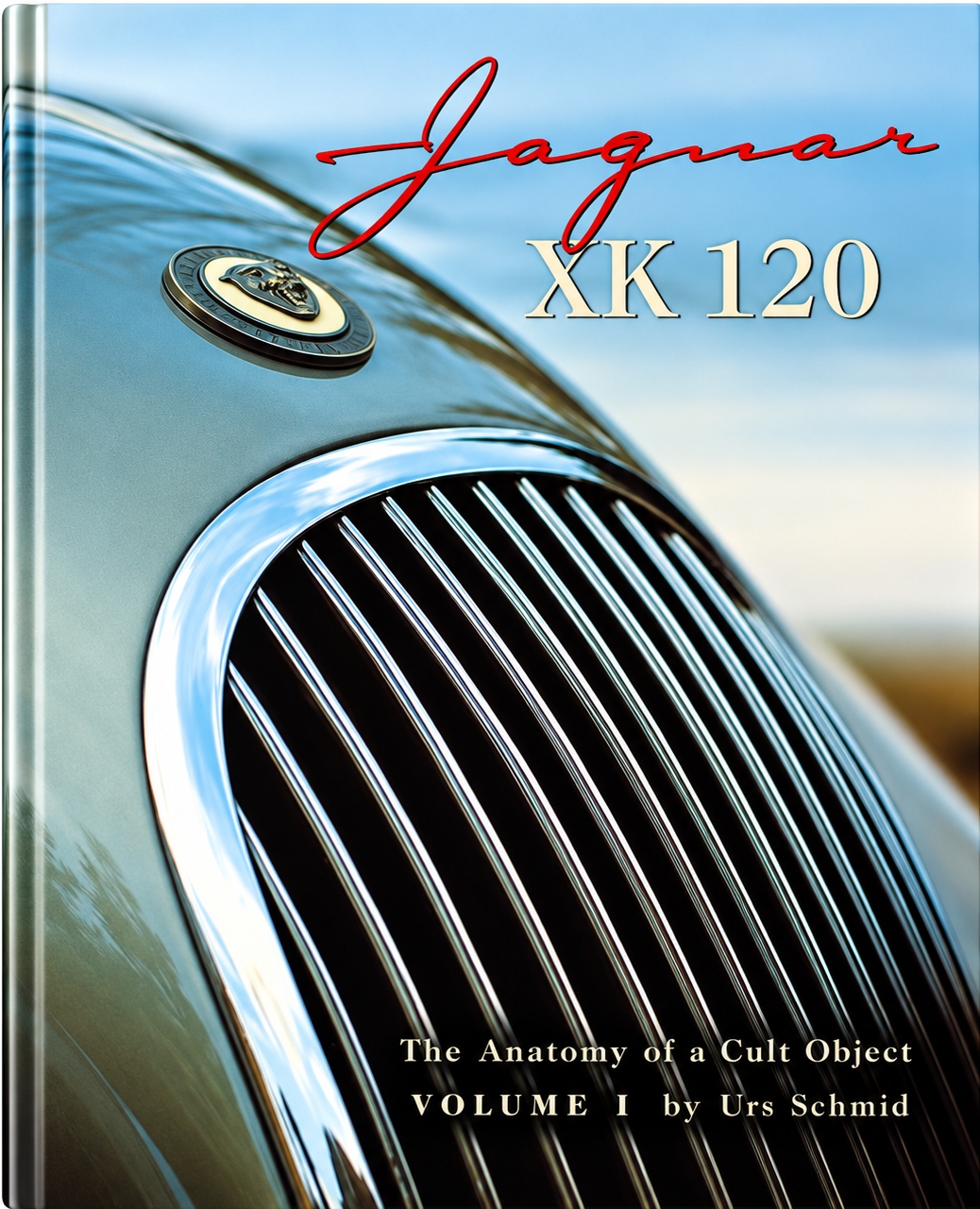
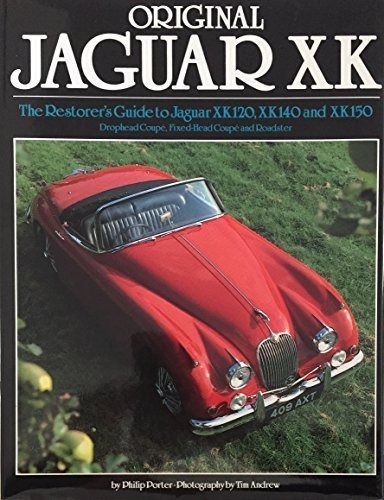
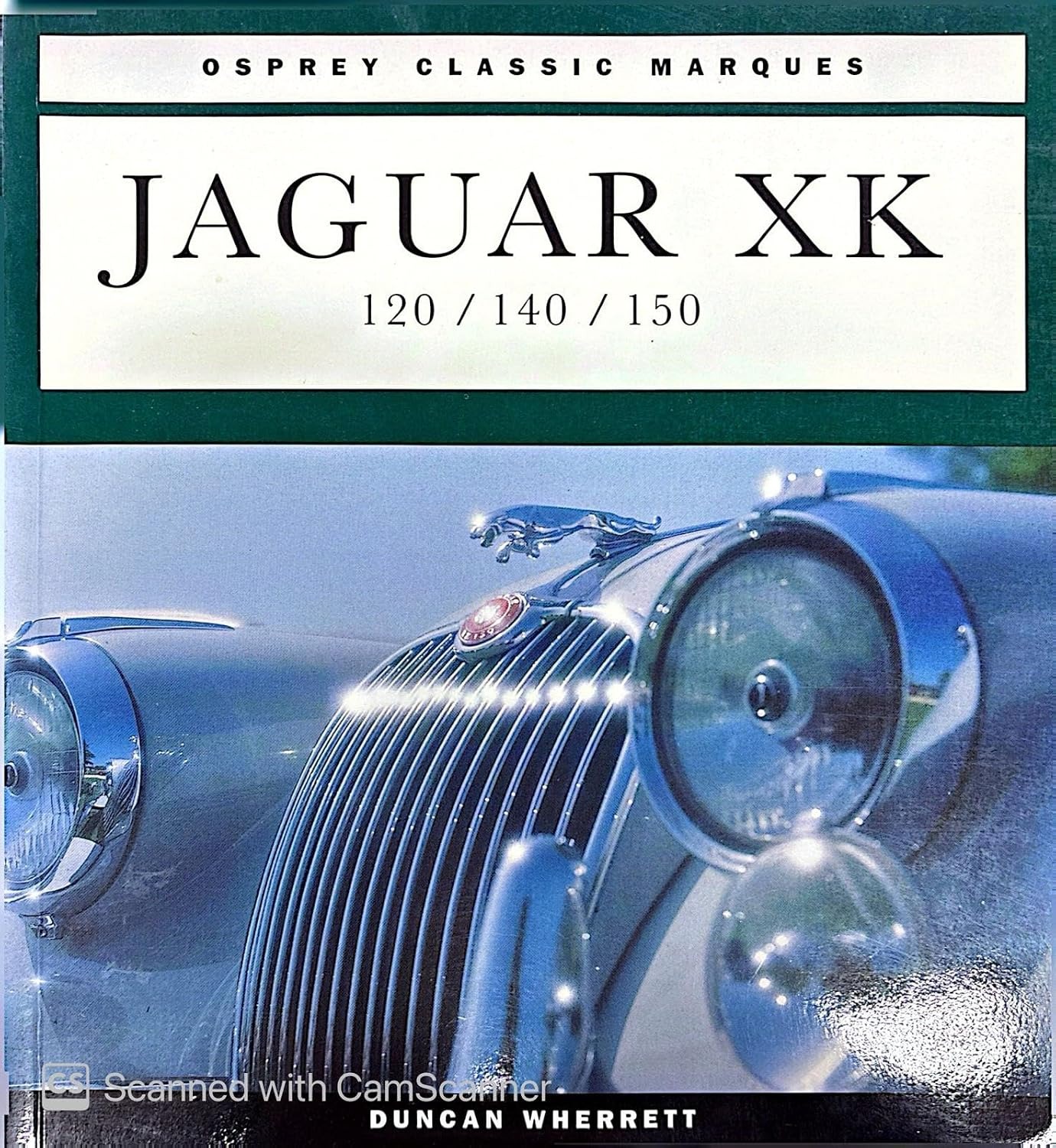
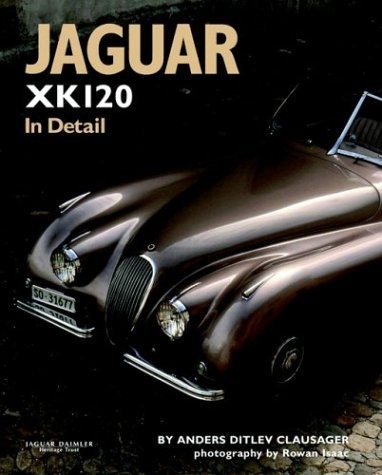
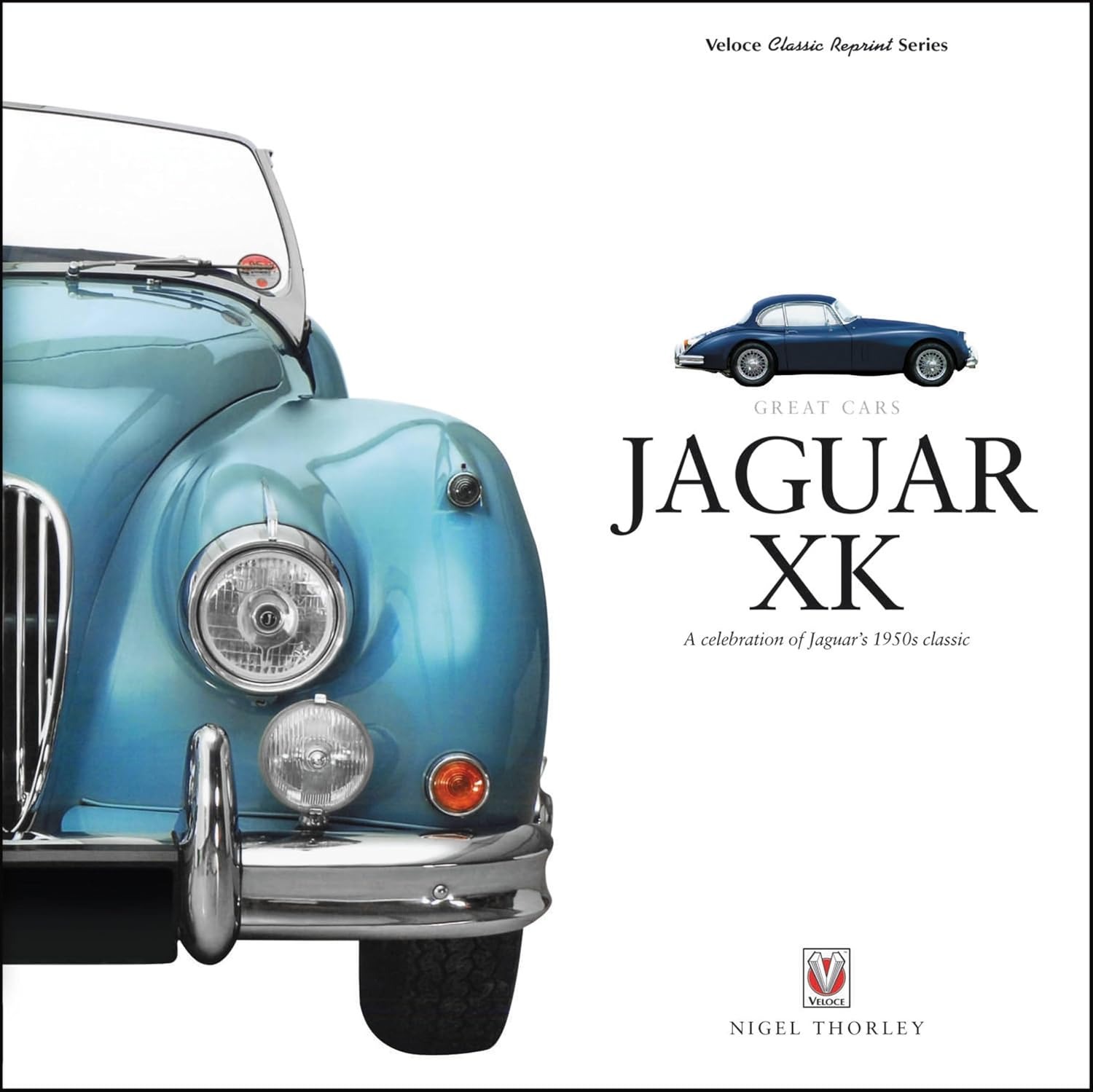
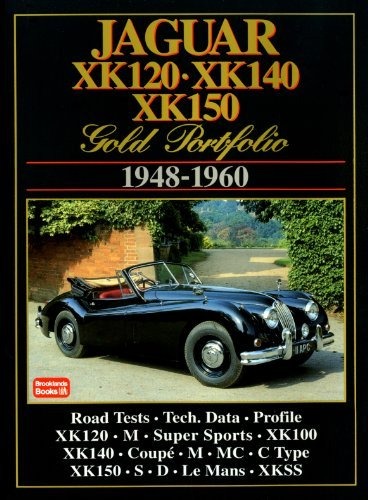
Note that as an Amazon Associate, we earn from qualifying purchases of the above books.
Past Auction Sales – Jaguar XK 120
Average Jaguar XK 120 Sale Price by Year from SCM’s Platinum Auction Database:
Includes sales listed as Jaguar XK120.
Jaguar XK 120 Sales from SCM’s Platinum Auction Database:

Bonhams Cars
Condition: 2
May 31, 2026
$61,600

Bring a Trailer
Condition: 6+
Nov 10, 2025
$25,200

Bonhams Cars
Condition: 1-
Oct 12, 2025
$212,851

Bonhams Cars
Condition: 3+
Oct 3, 2025
$50,400

Bonhams Cars
Condition: 2-
Sep 13, 2025
$428,270

Worldwide Auctioneers
Condition: 3+
Aug 28, 2025
$61,600

Bonhams Cars
Condition: 3+
Jul 11, 2025
$85,359

RM Sotheby's
Condition: 3+
Jul 8, 2025
$85,862

Bonhams Cars
Condition: 2-
Jun 29, 2025
$93,479

Gooding Christie's
Condition: 2-
Mar 6, 2025
$224,000

Bonhams Cars
Condition: 2
Jan 24, 2025
$89,600

Bonhams Cars
Condition: 2-
Sep 7, 2024
$106,034

Bring a Trailer
Condition: 3+
Sep 4, 2024
$57,750

Bonhams Cars
Condition: 3+
Jun 30, 2024
$64,566

Bonhams Cars
Condition: 3+
May 10, 2024
$86,771

Worldwide Auctioneers
Condition: 5
Jan 26, 2024
$30,800

Bonhams Cars
Condition: 2-
Jan 25, 2024
$73,920

Hagerty Marketplace
Condition: 3
Oct 17, 2023
$100,751

Bonhams Cars
Condition: 2
Sep 9, 2023
$165,114

RM Sotheby's
Condition: 2-
May 20, 2023
$418,810

Gooding & Co.
Condition: 3+
Apr 7, 2023
$58,240

Bonhams
Condition: 5-
Mar 2, 2023
$775,000

Bonhams
Condition: 3
Mar 2, 2023
$78,400

Gooding & Co.
Condition: 2
Mar 2, 2023
$100,800

Artcurial
Condition: 3+
Feb 3, 2023
$212,183

Bonhams
Condition: 2
Jan 27, 2023
$200,000

Barrett-Jackson
Condition: 2
Jan 21, 2023
$86,900

RM Sotheby's
Condition: 2-
Oct 29, 2022
$89,600

Broad Arrow Auctions
Condition: 2+
Oct 14, 2022
$103,600

Broad Arrow Auctions
Condition: 2
Oct 14, 2022
$252,000

Bonhams
Condition: 3+
Sep 17, 2022
$133,593

Bonhams
Condition: 3+
Sep 10, 2022
$67,853

Artcurial
Condition: 2
Jul 2, 2022
$67,763

Bonhams
Condition: 2+
Jun 5, 2022
$85,120

Bonhams
Condition: 3+
Apr 10, 2022
$97,398

RM Sotheby's
Condition: 2+
Mar 5, 2022
$126,000

Bonhams
Condition: 1
Mar 3, 2022
$940,000

Bonhams
Condition: 2+
Mar 3, 2022
$92,500

Gooding & Co.
Condition: 4-
Jan 28, 2022
$47,300

Bonhams MPH
Condition: 2-
Sep 4, 2021
$124,473

RM Auctions
Condition: 3+
Sep 2, 2021
$82,500

Bonhams
Condition: 3+
Apr 23, 2021
$93,000

Bonhams
Condition: 2-
Mar 3, 2021
$150,434

Worldwide Auctioneers
Condition: 2-
Jan 23, 2021
$98,000

RM Sotheby's
Condition: 2+
Jan 22, 2021
$95,200

Gooding & Co.
Condition: 4
Oct 26, 2020
$67,100

Bonhams
Condition: 2
Oct 9, 2020
$162,771

Silverstone
Condition: 3+
May 23, 2020
$66,961

Bonhams
Condition: 2-
Feb 6, 2020
$93,636

RM Sotheby's
Condition: 2
Feb 5, 2020
$135,004
See all 162 sales in SCM’s Platinum auction database: Jaguar XK 120 · Jaguar XK120
Forums & Communities
Popular Videos about the Jaguar XK 120