
Buy What You Love, Pay What You Should
Hub Pages
-
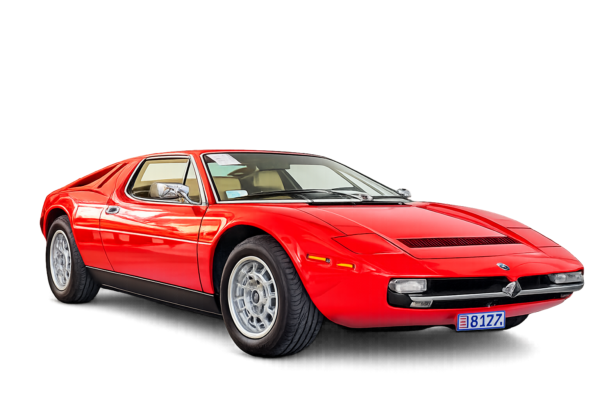
Maserati Merak
The Maserati Merak was introduced in 1972 as a lighter, less expensive companion to the Maserati Bora. It shared much of the Bora’s basic mid-engine architecture and Giugiaro styling, but replaced the Bora’s large V8 with a compact 3.0-liter V6. That smaller engine created enough space behind the seats for a small pair of rear…
-
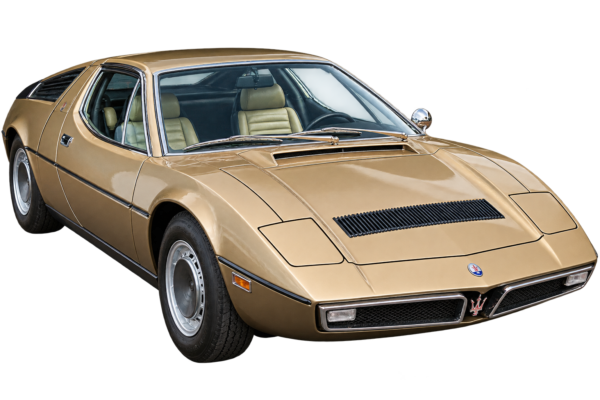
Maserati Bora
The Maserati Bora was Maserati’s first production mid-engine road car and one of the most sophisticated Italian GTs of the 1970s. Introduced in 1971, it combined a mid-mounted quad-cam V8 with a five-speed ZF transaxle, independent suspension, four-wheel ventilated disc brakes, and a highly distinctive Giugiaro-designed body. Unlike some contemporary mid-engine exotics, however, the Bora…
-
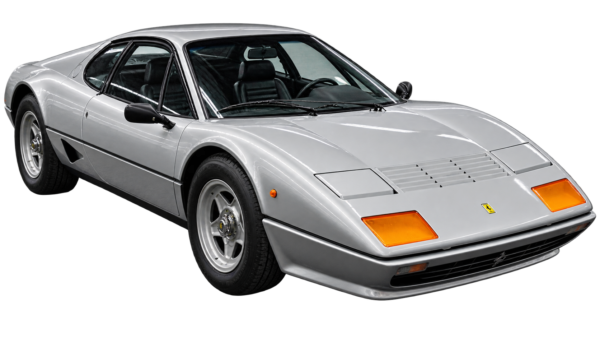
Ferrari 512 BBi
For a comparison with the 365GT4/BB and 512 BB variants, see our Buyer’s Guide for the Ferrari 512 BB. The Ferrari 512 BBi was the final and most refined evolution of Ferrari’s original Berlinetta Boxer line. Produced from 1981 through 1984, it retained the dramatic mid-engine flat-12 layout and Pininfarina body of the earlier Boxer…
-
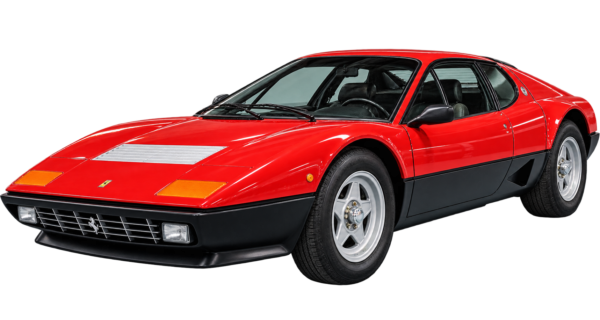
Ferrari 512BB
The Ferrari Berlinetta Boxer represented one of the most important changes in Ferrari road-car engineering. It replaced the traditional front-engined V12 flagship formula exemplified by the 365 GTB/4 Daytona with a mid-engined layout inspired by Ferrari’s competition cars. There is an important distinction in the model sequence. The 365 GTB/4 Daytona was the front-engined flagship…
-
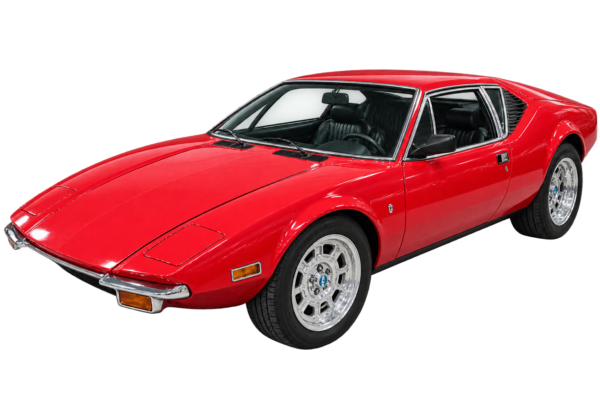
DeTomaso Pantera
The De Tomaso Pantera was one of the most distinctive exotic cars of the 1970s because it combined Italian mid-engine styling and chassis design with a relatively conventional American Ford V8. Introduced in 1970, it was intended to offer much of the appearance and performance of a Ferrari or Lamborghini with an engine that was…
-
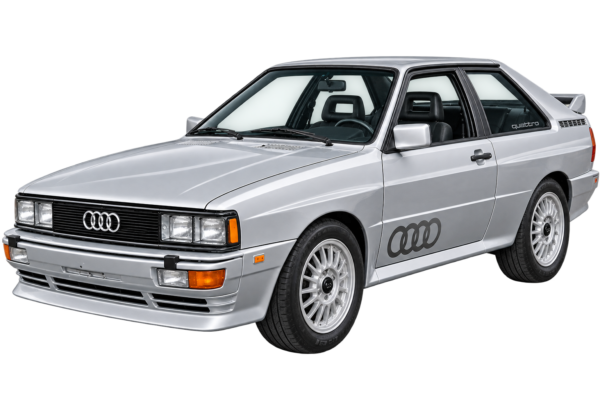
Audi Quattro
The Audi Quattro was one of the most important performance cars of the 1980s because it proved that permanent all-wheel drive could transform both road-car traction and international rally competition. Introduced in 1980, the Quattro combined a turbocharged five-cylinder engine with a permanent four-wheel-drive system in a relatively compact coupe body, creating a formula that…
-
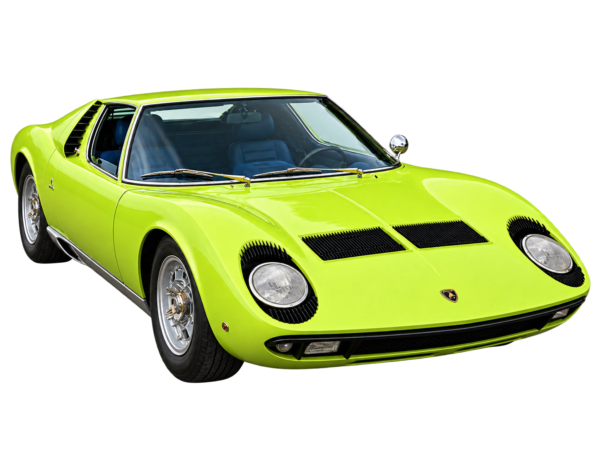
Lamborghini Miura
The Lamborghini Miura is widely regarded as one of the cars that defined the modern supercar. Introduced in the mid-1960s, it placed a large V12 engine transversely behind the passenger compartment in a radically low, mid-engine chassis, wrapped it in one of Marcello Gandini‘s most famous Bertone bodies, and delivered performance that was extraordinary for…
-
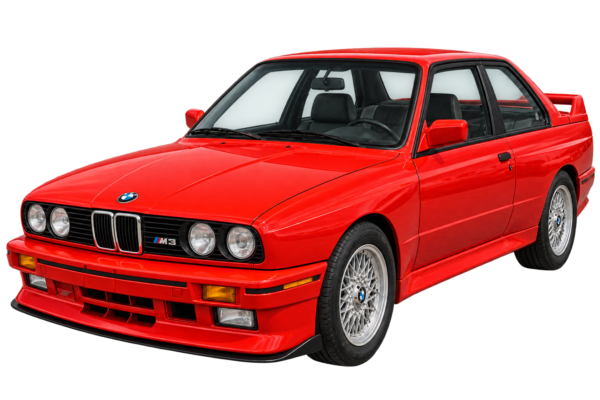
BMW M3
The BMW M3 began as a homologation special and evolved into one of the most influential high-performance cars ever produced. Introduced in 1986, the original E30 M3 was built so BMW could compete more effectively in touring-car racing. Its widened body, revised suspension, high-revving four-cylinder engine and aerodynamic changes made it fundamentally different from an…
-
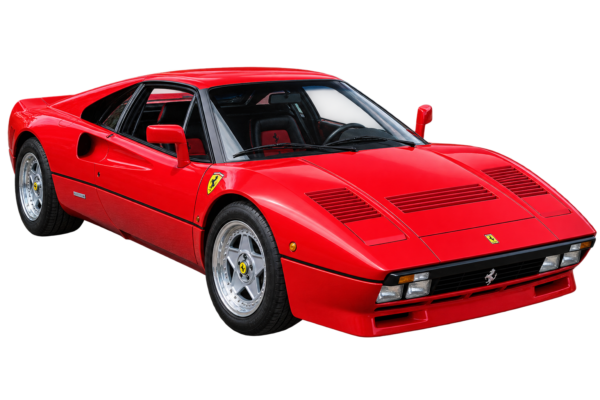
Ferrari 288 GTO
Introduced in 1984, the Ferrari 288 GTO was one of the most important road cars Ferrari had built since the original 250 GTO. Conceived primarily as a homologation special for FIA Group B competition, it combined the basic visual proportions of the contemporary 308 GTB with a radically different chassis, longitudinally mounted twin-turbocharged V8, composite…
-
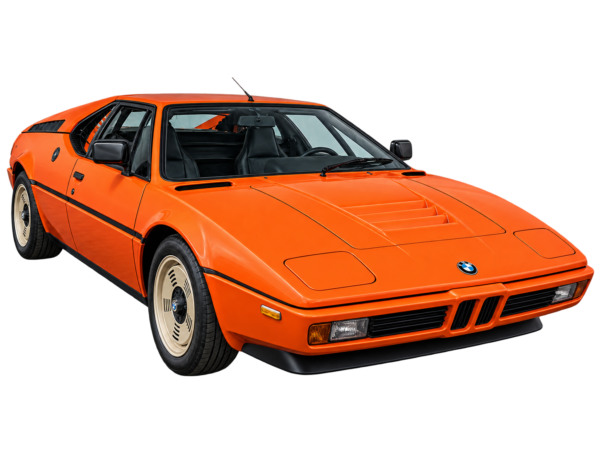
BMW M1
Introduced in 1978, the BMW M1 was the first automobile developed from the outset by BMW Motorsport GmbH and remains one of the most distinctive cars ever built by the company. Its mid-engine layout, fiberglass body, Giugiaro styling and high-revving M88 straight-six made it radically different from BMW’s usual front-engined sedans and coupes. The M1…