
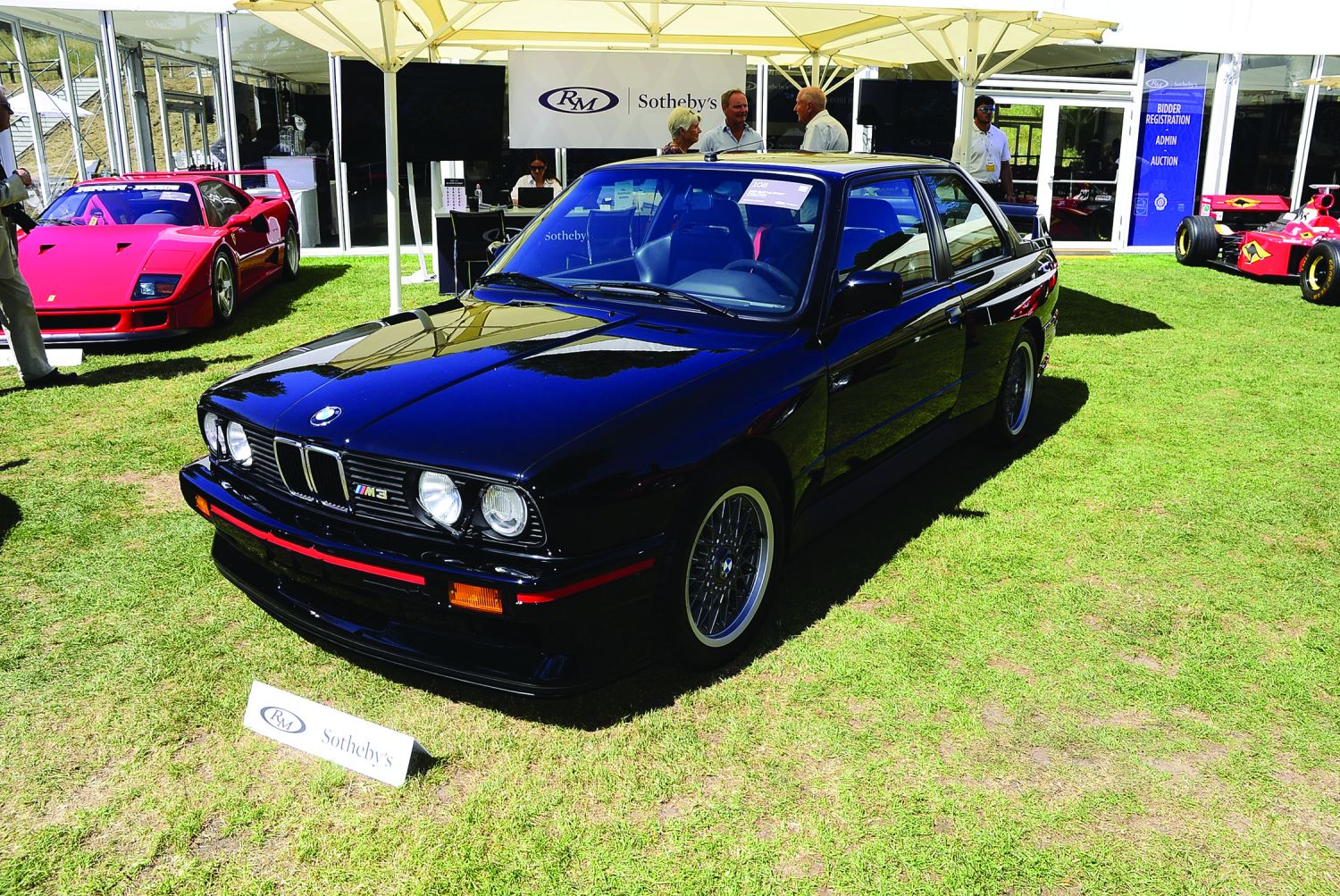

BUY: 1986–91 BMW M3 (E30) The original is the M3 in its purest, original form, considered one of the best-handling cars of its era. It looks set to become the next Porsche Carrera RS 2.7 — a homologation special that’s unrealistically expensive considering the sum of its components — partly due to competition success. Like the RS 2.7, drive an early M3 and you’ll understand. Only the best examples make top money, and that means the last, limited-edition Evo II and Evo Sports, with lowish miles and perfect service histories. While it’s admittedly a little late to jump on the bandwagon, […]
BUY: 1986–91 BMW M3 (E30)
The original is the M3 in its purest, original form, considered one of the best-handling cars of its era. It looks set to become the next Porsche Carrera RS 2.7 — a homologation special that’s unrealistically expensive considering the sum of its components — partly due to competition success. Like the RS 2.7, drive an early M3 and you’ll understand.
Only the best examples make top money, and that means the last, limited-edition Evo II and Evo Sports, with lowish miles and perfect service histories. While it’s admittedly a little late to jump on the bandwagon, as we noticed prices taking off a year or two ago, these things are still climbing, so there may be some wiggle room. Euro-spec M3s have the dog-leg ZF 5-speed gearbox and a 1:1 top gear, where U.S.-market cars (AK03) have a conventional shift pattern and an overdriven fifth gear. And do bear in mind that BMW’s S14 inline-4 likes a pricey cam-chain replacement at around 100,000 miles.
Though almost 18,000 M3s (including 786 cabriolets) were made from March 1986 to June 1991, only 505 were Evos and 501 Evo 2s (look for the BMW MSport tri-color cam cover) — though the 1990–91 2.5-liter Sport Evolution (model AK07) is the pinnacle. Just 600 of these were made, identified by the fog-light delete in favor of brake-cooling ducts in the front spoiler. Also look for the Ravaglia edition (560 made, 80 detuned to 208 hp for the Swiss market) and Cecotto edition (25), made in 1989. Regular M3s can be found from $70k, Evo IIs add up to 50%, but you’ll be lucky to find a Sport Evo under $300k, especially after the recent sale in England of a minter at $540k (SCM# 6972380).
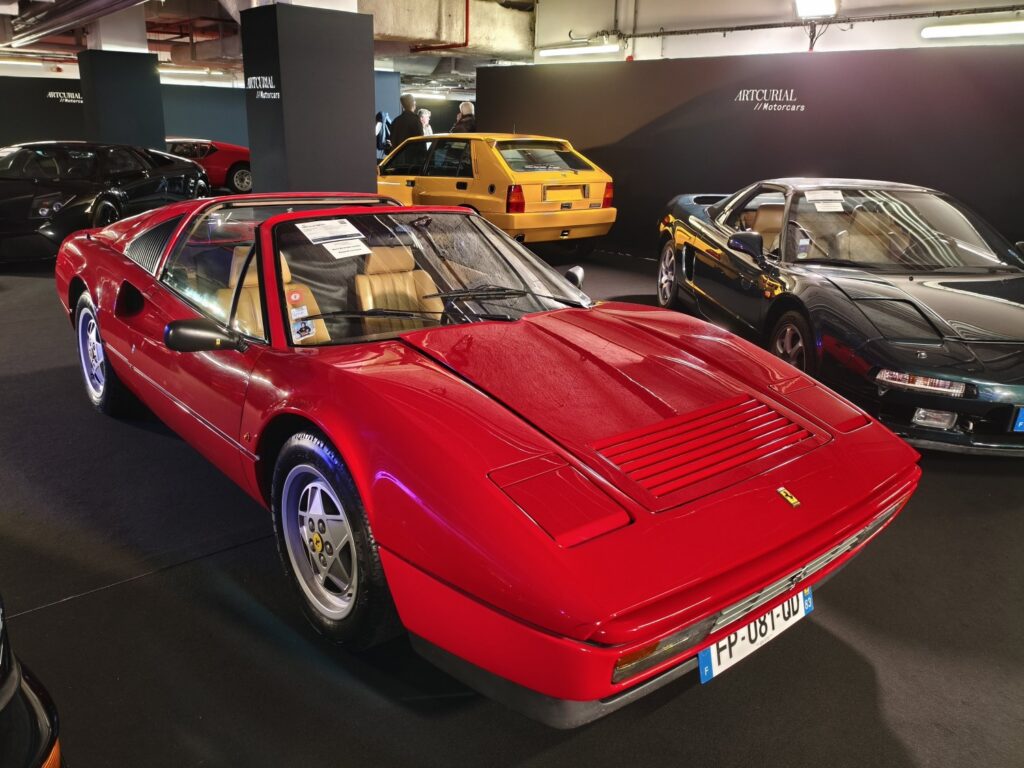
SELL: 1986–89 Ferrari 328
A couple of years ago, a glut of tiny-mileage late 328s hit the market, but we’ve not seen one for a while. It might be a good time to gently offload such a car to someone prepared to actually use it and take the resulting depreciation on the chin. These are good to drive in an old-school analog sort of way, rather like a big Fiat X1/9, and, of course, all are manual 5-speeds with that classic open shifter gate… which reminds you to avoid second until fully warmed up.
Selling points are those timeless looks — Leonardo Fioravanti’s gorgeous lines still define Ferrari — and that they’re relatively easy to live with, being the final evolution of the normally aspirated 90-degree V8, with simple Bosch K-Jetronic (CIS) fuel injection and Marelli electronic ignition. Receipts for cam-belt changes will be a bonus to reassure nervous buyers, who may need educating on the finer details. Post-“1988.5” cars (actually from February ’88, at chassis 76626, though from ’89 model year in the U.S.) have ABS. This is optional on Euro cars, and is identified by the slightly convex wheels necessitated by changes to the suspension geometry to accommodate it. The hard-top GTB is the rarer beast, with 1,344 made against 6,068 targa-top GTS models.
Prices are all over the place. Average cars with average mileage are $65k–$90k, “well sold” for lowish miles is $120k, and in 2025, a never-registered 49-km GTS failed to sell at Bonhams’ London auction for $160k (SCM# 6971173). Then, this January, Artcurial managed an outstanding (for condition) $213,291 for a GTS with 3,788 km in Paris (SCM# 6971439), after RM Sotheby’s got $212,800 for a pre-ABS GTB showing 8,380 miles in Arizona (SCM# 6971179).
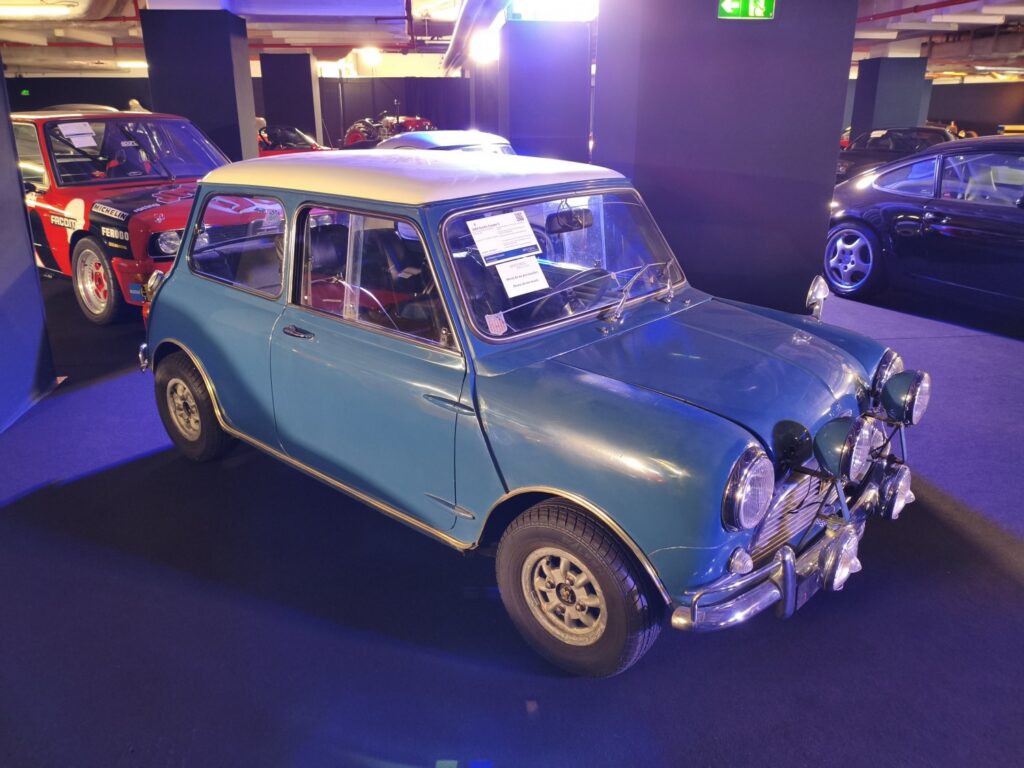
HOLD: 1961–71 Mini Cooper
Many popular models may be slightly depressed just now, but they will, sure as the seasons, come back into fashion thanks to their enduring appeal. Examples include classic Mini Coopers (1961–71), which have the bonus of being easy to look after while not taking up much space and being a hoot to drive at mostly legal speeds. Really good, authentic and correct Mk 1 Cooper S models (1963–67) were $65k all day long in Europe not so long ago but have softened to under $50k, with lesser Mk 2/3 (or re-shelled cars) correspondingly less.
The 76-hp 1,275-cc version is the most common and the torquiest, but the gem is the rev-happy, short-stroke 1,071 (practically a Formula Junior engine with its nitrided crank) that’s not much slower and commands much the same money. If you have a 970, a homologation model for the under-1-liter racing class — well, you’ll know what it is and most people won’t, with fewer than 1,000 made. There’s nothing wrong with a good fake or hotted-up standard car at around a third of the price, as long as you bear in mind that its value will be in the sum of its parts. A real Cooper chassis number starts CA2S (Austin) or KA2S (Morris).
In an interesting U.K.-only phenomenon, the earliest BMW-era Minis are developing a cult following. These are R50-code cars from the first months of production, starting early in 2001 in Cowley (just 19 miles from where I write this), and registered on a Y-prefix U.K. number plate issued before September 1, 2001 — around 700 cars all told, of which about 400 are known to exist. Prices? Much less than a “real” classic Mini, from $1,500 (rough) up to $6,000.