Buy What You Love, Pay What You Should
Columns
-

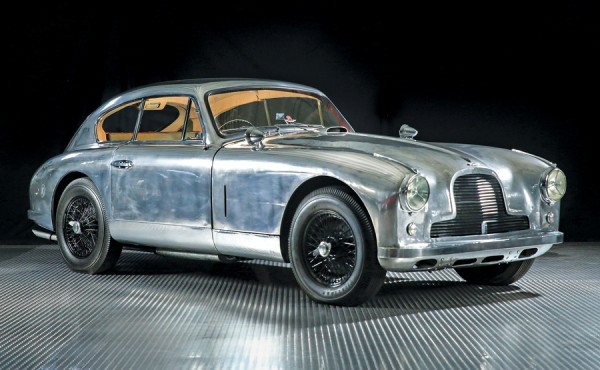
1954 Aston Martin DB2/4 Coupe
The BMIHT Certificate states that this DB2/4 was completed on February 2, 1954, and it was originally sold to a Scottish customer. While its early history is unknown, its build sheet documents an early factory engine replacement. According to Anthony Forshaw, it is believed that its current engine is that period replacement unit. Aston Service…
-

1954 Pegaso Z-102 Cabriolet
That Spanish truck manufacturer ENASA should have built one of the most exotic sports grand touring cars of the early 1950s seems rather improbable. However, it becomes somewhat more understandable when you learn that the company’s chief technical manager’s last position was Chief Engineer, Special Projects, for Alfa Romeo from 1936 to 1944. Wifredo Ricart…
-

I’m Not Really Looking, But…
There are many stock phrases in the vocabularies of car collectors. They range from “that’s one of one” to “wonderful patina” to “I never should have sold it.” The one that seems to get me in the most trouble is, “Well, I’m not really looking, but…” You know the drill. You have a vague interest…
-

When Your Hobby Becomes a Business
In navigating the booming collector car market, many SCMers find themselves engaging in rapid buying and selling, prompting both personal and professional reflections. . Questions often arise, with both enthusiasts and their accountants pondering whether this increased activity nudges them from collector status into dealer territory, bringing forth potential tax and legal implications. Drawing from…
-

Coulda, Woulda, Shoulda
Here at SCM, we take some space in every issue to look at affordable classics — great cars that you can get into without emptying your wallet. Affordable classics are great because they’re far more engaging than the average new grocery-getter, and you can drive them without worrying yourself to death about miles, damage and…
-
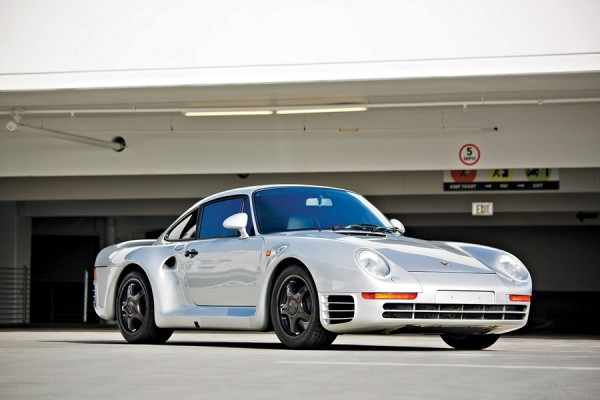
1988 Porsche 959 Komfort Coupe
Following the 953’s decisive win at the grueling Paris-Dakar Rally in 1984, Porsche’s chief engineer Helmuth Bott declared his ambition to build a “Super Porsche” — a turbocharged 911 variant with all-wheel drive and variable ride height. Over the next three years, Porsche developed a groundbreaking sports car to comply with the FIA’s Group B…
-
Tucker vs. Tucker
Chassis 1036 (RM Auctions) A factory report dated October 28, 1948, held in the Tucker archives at the Gilmore Car Museum, indicates that chassis number 1036 had been completed on October 20, with body number 33 and engine number 33585. It was one of a dozen cars painted Maroon (paint code 600). No transmission was…
-

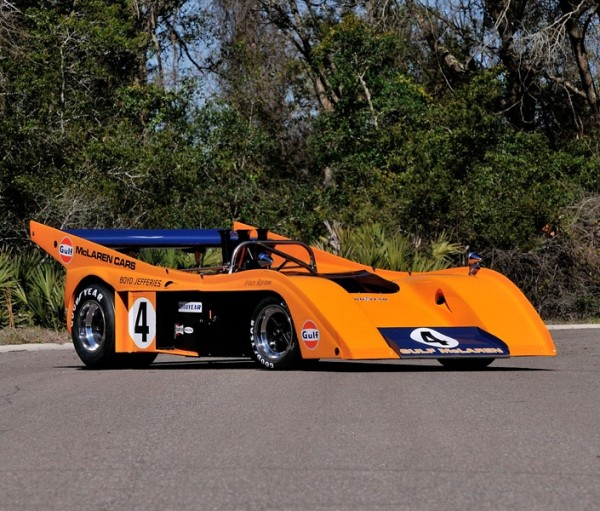
1972 McLaren M20 Can-Am
After several years dominating the Can-Am series with a series of school-bus-yellow racers, McLaren Cars stood up to the developing Porsche challenge with the brand-new 1972 M20. Designers Gordon Coppuck and Tyler Alexander departed from standard McLaren practice in the M20 by removing the radiator from the front of the car and replacing it with…
-

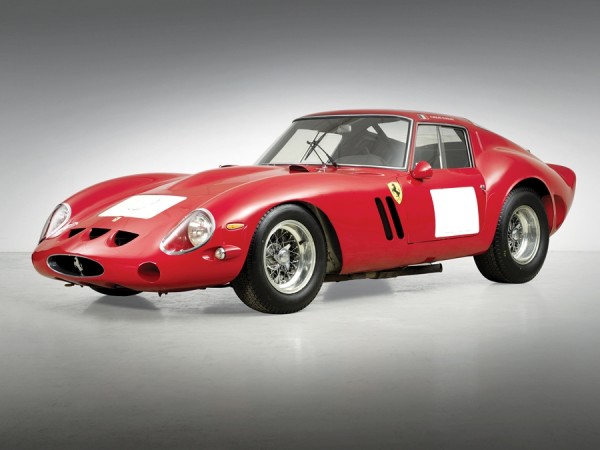
1962–63 Ferrari 250 GTO Berlinetta
The Ferrari 250 GT Omologato needs little introduction as the most iconic, most habitable, street-useable, race-winning, World Championship-winning — and simply gorgeous — closed two-seat coupe car from the world-famous Maranello factory. The GTO was developed to contest the 1962 3-liter class FIA GT World Championship series of classical endurance-racing events. Selective production at Maranello…
-
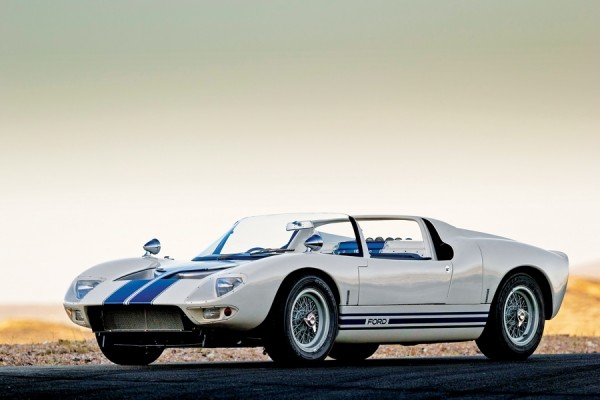
1965 Ford GT40 Roadster Prototype
Chassis number GT108 is one of just six open-top GT40 roadsters constructed, reflecting Ford’s experimentation with the open configuration to test for market appeal and salability. Built for Shelby American as a test and development vehicle, it was driven by Ken Miles, Lew Spencer, Carroll Shelby, Jim Clark and others. Documented by GT40 historian Ronnie…